
Cost Effective and High Quality
EDMONTON
PARGING SERVICES
Residential - Commercial
GET A FREE ESTIMATE
TRADITIONAL COLORS
ACRYLIC COLORS

Professional Parging Contractor in Edmonton
Solida Coatings has been helping homeowners, builders, contractors, developers and property managers throughout Edmonton and surrounding areas for over 14 years with various parging projects. It is our mission to provide best results for your building’s exterior cladding system.
Solida Coatings is a parging contractor offering coating and cladding services for both residential and commercial properties. Solida Coatings takes on any size and kind of project with ease, using only use top quality materials from reputable suppliers which helps provide better results for your project. Solida Coatings offers free estimates for parging and parging repair projects in greater Edmonton and surrounding areas.
Parging Installation
Foundation walls without proper parging, also known as basement walls on houses, office buildings, apartment complexes and various premises are susceptible to various hazards. Furthermore, considering Edmonton’s weather, the walls start to crumble and get cracks in time. These cracks can seem unimportant at first, over time they cause major problems such as water leakage into the basement. Damages on parging and concrete should be taken seriously and require immediate repair.
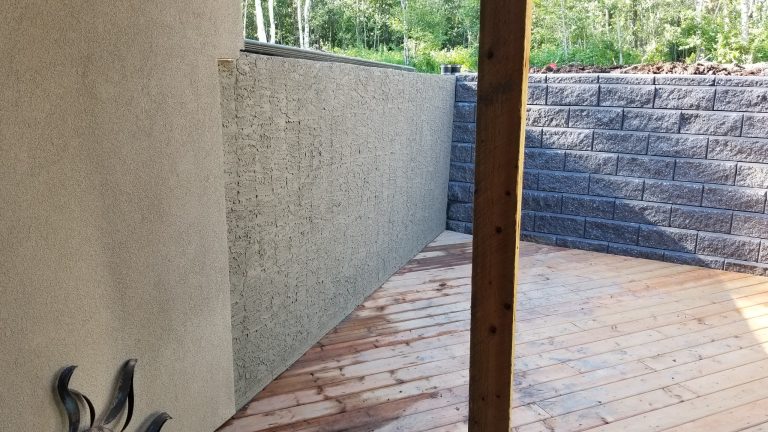
Parging is a thin coating of material which is particularly useful for the foundation and basement walls. It’s an efficient way to cover and strengthen an otherwise fragile surface. Contrary to common belief, concrete walls require protection with the proper parging mix. Parge coat protects the cement and concrete against various external factors and hazards. If needed, flashings and membrane tapes will be applied for additional water control. Then, depending on the clients’ wishes and needs, we will install a textured layer, smooth or acrylic coat. Finished look will not only transform the aesthetics of the building and the foundation, but will also provide an excellent protection and moisture control for many years.
Over the last few years, many foundations on residential homes and commercial buildings have a new system called ICF (Insulated Concrete Forms). This system insulates the concrete with foam and by default, foams are not resistant to dirt, ice, water and wind long term. We offer our ICF parging services and provide various textures and designs.


Parging Repair
If you have noticed that your parging coat is falling apart, chipping away or crumbling, it’s a good idea to start considering a parging repair service. When the water gets in and freezes due to seasonal conditions, it slowly hurts the parging mix and cause it to fall apart further. If the condition is severe and large sections are chipping off, a parging removal and renewal is recommended.
Parging installation and repair services are quite affordable compared to some other coating and wall systems. Solida Coatings provides free estimates and can start the work right away on the given scheduled date. -weather permitting- Contact us for your free estimate today.
What Is Parging and Why Is It Essential for Edmonton Foundations?
Parging is a thin cementitious or polymer-modified coating applied to masonry and concrete foundation walls to protect against water penetration and surface deterioration. The coating bonds to the substrate, sealing hairline cracks and smoothing concrete, and it reduces water ingress that leads to freeze-thaw damage and efflorescence in cold climates. For Edmonton foundations, parging functions as both a moisture-control layer and a sacrificial exterior surface that preserves structural concrete by minimizing freeze-thaw cycling at the substrate. Understanding the mechanism of parging—adhesion, permeability control, and finish—helps homeowners prioritize repairs and choose materials that perform in Alberta’s winter conditions.
What Does Parging Involve?
Parging begins with surface assessment and preparation: loose material, efflorescence, and deteriorated parging or mortar are removed to expose a sound substrate. The next steps include patching deep voids with compatible repair mortars, applying a bond coat or primer when needed, and then troweling a base parge coat followed by a thin finish coat or texture as specified. Proper curing and protection from rapid freezing during curing are critical, so contractors adjust schedules and use temporary heat or blankets in cold weather. These preparation and application steps ensure adhesion and long-term performance, which leads directly into how parging protects foundations against Edmonton’s climate.
How Does Parging Protect Foundations in Edmonton’s Climate?
Parging protects foundations primarily by limiting moisture entry and reducing the amount of water absorbed into the concrete or masonry, which in turn reduces freeze-thaw stresses that cause spalling and cracking. The material’s permeability, adhesion, and flexibility determine how well it resists cyclic freeze-thaw damage, and polymer-modified or acrylic-enhanced mixes can improve tensile properties and bond strength. By sealing pores and smoothing surfaces, parging also limits salt migration and efflorescence, which degrade finishes and accelerate deterioration. These protective mechanisms translate into longer foundation life and lower long-term maintenance costs for Edmonton properties, and they set the stage for evaluating material choices and maintenance practices.
What Are the Benefits of Parging for Edmonton Homes and Businesses?
Parging improves foundation durability, curb appeal, and in some cases contributes modestly to thermal performance when combined with other exterior insulation strategies. A properly applied parge coat reduces water-related deterioration, restores a uniform exterior finish, and makes later waterproofing or siding attachment easier and more effective. Property owners often find that repaired and repared foundations present better to buyers and pass inspections more readily, which supports property value and peace of mind. The practical benefits of parging — protection, aesthetics, and lower repair frequency — make it a cost-effective measure when timed correctly, leading naturally into guidance on choosing the right contractor for Edmonton projects.
How Do You Choose the Best Edmonton Parging Contractors?
Choosing the right parging contractor in Edmonton requires vetting technical competence, local experience with freeze-thaw cycles, and clear, written project terms that protect the owner. A contractor should demonstrate successful parging projects in similar climatic conditions, provide proof of insurance and warranty terms, and offer a clear scope of work covering preparation, materials, and curing strategies. Asking for line-item quotes and local references helps you compare offers fairly and identify providers who account for Edmonton-specific challenges like cold-weather curing and soil-driven moisture. The selection process centers on measurable qualifications and documented commitments, which leads into specific qualifications and evidence you should request
What Qualifications and Experience Should Parging Companies Have?
Look for contractors who can show completed parging work in Edmonton-area conditions, explain material choices for freeze-thaw resistance, and present portfolios with before/after photos demonstrating adhesion and finish quality. Relevant qualifications include experience with cementitious and polymer-modified parging, familiarity with local building codes, and insurance that covers on-site risks. Local references from nearby neighbourhoods and a willingness to perform adhesion tests or test patches indicate professional standards and technical care. These indicators reduce the risk of rework and inform how you compare bids for apples-to-apples value in the next step.
What Questions Should You Ask Before Hiring a Parging Contractor in Edmonton?
Before hiring, ask for written estimates, proof of insurance, references from local Edmonton-area projects, details of product types and mix proportions, expected cure times in cold weather, and a clear warranty describing coverage and exclusions. Also ask how the contractor will protect work during winter curing and whether they perform adhesion testing or moisture measurements before application. Watch for red flags such as vague material descriptions, unwillingness to provide references, or pressure to accept a verbal contract without documentation. These questions ensure clarity and set expectations so the contractor relationship supports long-term foundation performance.
Intro to checklist: Use this checklist when preparing to hire a parging contractor in Edmonton.
- Request written, line-item estimates that separate prep work, materials, and labour.
- Ask for local project references and before/after photos of similar Edmonton jobs.
- Confirm insurance coverage and get a clear, written warranty with defined terms.
- Verify materials and curing procedures for winter conditions before work begins.
What Are the Typical Costs of Parging in Edmonton?
Typical parging costs in Edmonton depend on square footage, extent of preparation and repairs, material type, accessibility and scaffolding needs, and finish complexity; realistic approximate ranges are provided below to guide budgeting. Expect base parging labour and materials to vary by contractor and material choice—standard cementitious parge coats generally sit at a different price level than acrylic-modified systems that offer higher flexibility and freeze-thaw resistance. Costs increase with extensive patching, structural repairs, the need for scaffolding or traffic control, and finishes requiring multiple coats or textures. The following EAV-style table summarizes cost factors and expected impact to help you estimate a project budget and prepare questions for accurate on-site quotes.
Intro to cost factors table: This table compares common cost drivers for parging projects in Edmonton and their typical impact on price.
Cost Factor | Typical Range / Impact |
Square footage | $8–$25 per sq ft (approximate; depends on finish and prep) |
Surface preparation and repairs | Low to High (minor patching to structural repair increases cost significantly) |
Accessibility and scaffolding | Medium to High (scaffolding adds hourly/daily rental and labour) |
What Factors Affect the Cost of Parging in Edmonton?
Primary cost drivers include the area to be covered, condition of the existing surface (extent of repair), required access equipment, chosen material system, and finish complexity. Other contributors are disposal of debris, travel or mobilization charges for outlying Edmonton neighbourhoods, and any required waterproofing overlays or reinforcement mesh. Requesting a contractor to document these items in a line-item estimate makes it possible to compare actual cost drivers and avoid surprises. Understanding these factors helps you evaluate whether a higher quote reflects better prep and long-term value rather than unnecessary markup.
How Do Different Parging Materials Impact Pricing?
Different materials change cost through material price, labour intensity, and longevity: traditional cementitious mixes are often less expensive upfront but may require more maintenance in cyclic freeze-thaw zones, while acrylic or polymer-modified systems cost more initially and usually deliver better flexibility and longer service life. The choice of finish—smooth trowel versus textured or coloured overlays—also affects labour time and price. When weighing options, compare lifecycle cost rather than only the initial estimate to determine which material delivers the best long-term value for Edmonton climates. These pricing nuances encourage conversations about financing and warranties, which follow below.
How Is Parging Repair Done in Edmonton?
Parging repair in Edmonton follows a diagnostic-first approach: determine whether damage is surface-level, due to moisture, or symptomatic of deeper structural issues that require engineering input. The repair workflow typically involves removing delaminated material, cleaning and treating the substrate, patching larger defects with compatible repair mortars, and applying a properly bonded parge system with appropriate curing. When freeze-thaw spalling or salt damage is present, repair materials and reinforcement methods are selected to match substrate properties and expected exposure. Understanding the repair sequence clarifies expectations for duration, staging, and when additional foundation work is necessary.
What Are Common Foundation and Parging Damages in Edmonton?
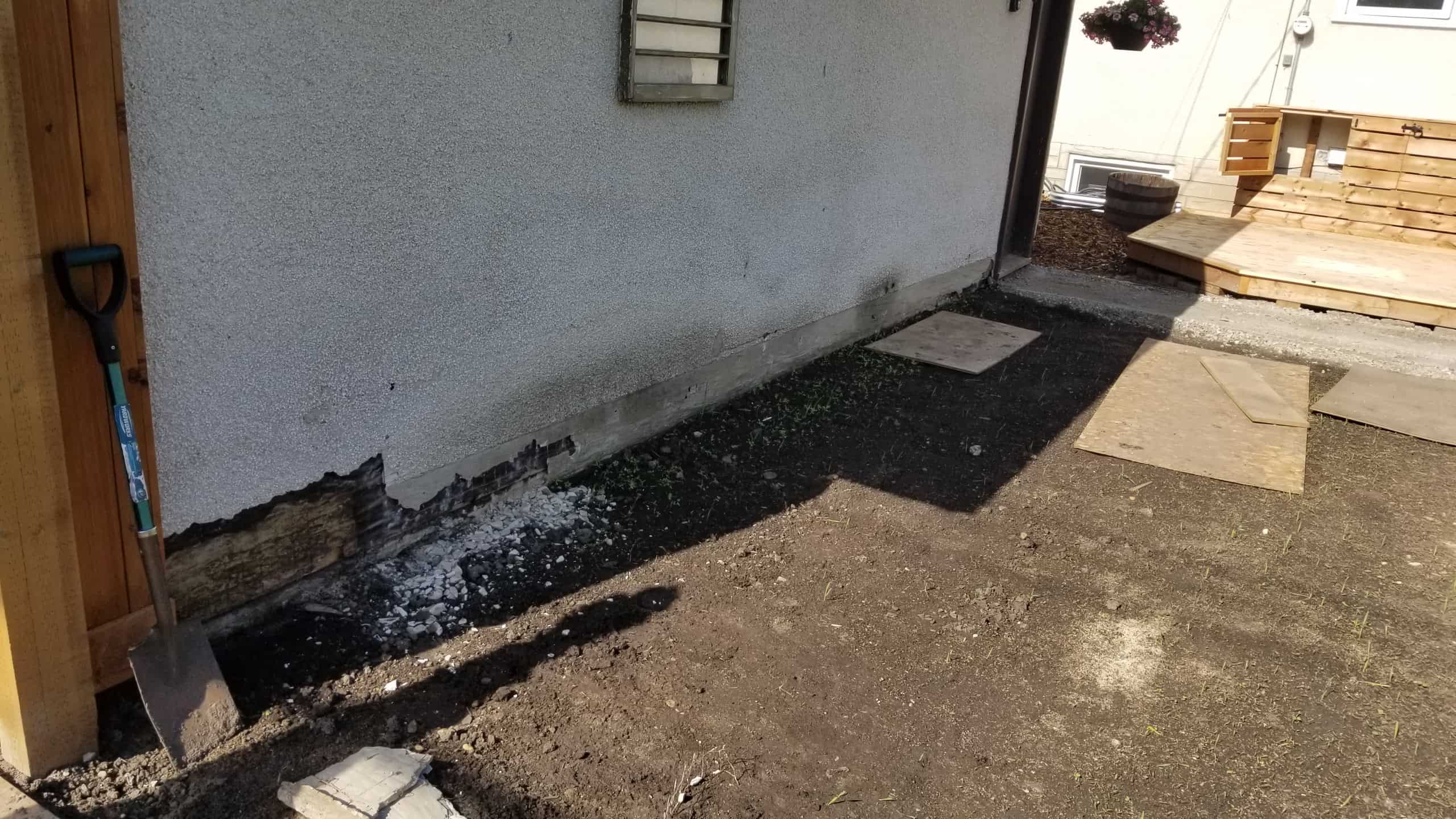
Frequent issues include freeze-thaw spalling where surface flakes off, hairline and larger cracks caused by settlement or thermal movement, efflorescence from salt migration, and delamination of old parging due to poor adhesion. Visual cues such as powdery deposits, repeating vertical cracks, or large patches of missing parge indicate specific problems and urgency levels. Immediate moisture sources like poor grading, blocked drains, or failed seals should be identified and corrected to prevent repeat damage after repairs. Recognizing these damage types helps prioritize interventions and leads into how professional repair restores integrity.
How Does Professional Parging Repair Restore Foundation Integrity?
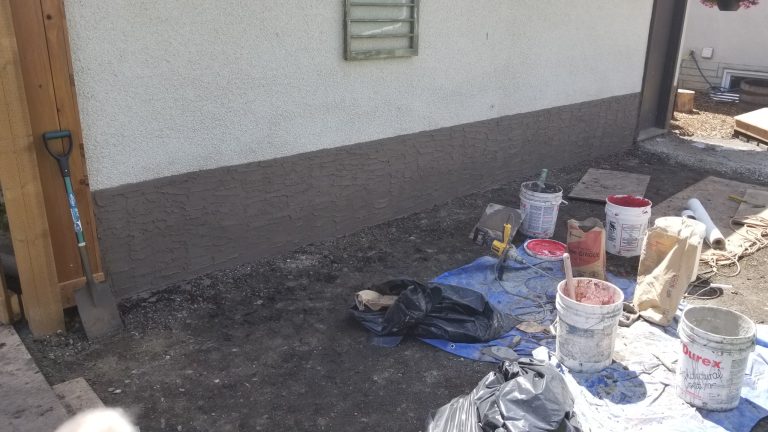
Professional repair restores integrity by using compatible repair mortars for deep patches, applying bonding agents or primers to improve adhesion, and choosing parging mixes formulated for freeze-thaw resilience. Reinforcement such as embedded mesh or localized anchors may be used where impact resistance or crack control is required, and controlled curing ensures strength development without rapid freeze. Post-repair inspection and, where applicable, surface treatments or waterproofing overlays provide additional protection against recurrence. Proper material selection and technique reduce the need for repeated repairs and support long-term foundation performance.
Can You Parge Over Old or Damaged Parging?
You can parge over existing parging only when the existing coating is well-adhered, free of active delamination, and the substrate is sound; otherwise removal to a sound base is required. Adhesion tests and small trial patches can determine whether a new coat will bond satisfactorily, and moisture testing helps ensure there are no ongoing water issues that will undermine a new finish. If extensive damage or separation exists, complete removal and full substrate preparation are safer and longer-lasting. These assessment criteria help contractors recommend removal versus re-coating and lead into options for new installations.
Intro to repair steps list: Typical repair projects follow a standard sequence of actions to ensure durable outcomes.
- Diagnose substrate condition and moisture sources before any work begins.
- Remove loose or delaminated material and treat the surface for bonding.
- Patch deep defects with compatible repair mortars and allow full cure.
- Apply base parge and finish coats with proper protection during curing.
This repair sequence highlights the importance of preparation and curing for reliable parging repair.
What Are the Options for New Parging Installation in Edmonton?
New parging installation for foundations or full exterior wraps involves substrate assessment, choice of material system, layered application (base and finish), and winter-aware curing practices to accommodate Edmonton’s temperature swings. New builds provide the advantage of unobstructed access and coordinated insulation or drainage detailing, while retrofit installs often require more prep for adhesion and compatibility with existing finishes. Deciding among cementitious base coats, polymer-modified systems, and acrylic finishes depends on exposure, desired longevity, and finish appearance.
How Is New Foundation Parging Applied?
New application begins with substrate cleaning, removal of form ties or protrusions, and verification of a sound base; contractors then install any required reinforcement and apply a bonding primer if specified. A base parge coat is troweled to fill irregularities and establish adhesion, followed by a thin finish coat that provides texture and aesthetic appearance. Timing and curing are adjusted for cold-weather conditions—temporary heat, snow protection, and extended cure times may be required to reach adequate strength. The staged application process ensures the parge system bonds as intended and resists early-season freeze-thaw stresses.
What Materials Are Best Suited for Edmonton’s Weather?
Material selection balances adhesion, flexibility, and freeze-thaw resistance: cementitious parging mixes offer strong adhesion and are suitable for below-grade work, while polymer-modified or acrylic-enhanced parges deliver greater flexibility and resistance to cyclic cracking. The following EAV-style materials table summarizes common options and suitability for Edmonton conditions to aid selection for basement walls, above-grade foundations, and exposed facades.
Compare common parging materials by durability, freeze-thaw resistance, and typical uses in Edmonton.
Material | Performance & Freeze-Thaw Resistance | Typical Use |
Cementitious (standard) | Good adhesion; moderate freeze-thaw resistance when properly cured | Below-grade and well-protected areas |
Polymer-modified cement | Improved flexibility and bond; better freeze-thaw resilience | Exposed foundations and areas with movement |
Acrylic finish coats | High surface flexibility and low permeability; excellent for above-grade finishes | Above-grade facades and aesthetic finishes |
How Does New Parging Improve Home Exterior and Insulation?
New parging improves curb appeal by providing a uniform, finished surface that can be textured or coloured to match exterior design, and it protects substrates from moisture-driven deterioration. While parging alone offers only modest insulation benefit, combined systems that integrate exterior insulation and drainage layers can significantly improve thermal performance and reduce heat loss. Homeowners focused primarily on insulation should discuss integrated wall systems with contractors rather than relying solely on parging for thermal improvements. Considering both aesthetic and performance goals helps determine whether parging should be paired with additional insulation or waterproofing measures.
Common finish choices influence cost, aesthetic, and maintenance expectations.
- Smooth trowel finish for a low-profile, durable coat.
- Textured finish to hide minor surface irregularities and enhance curb appeal.
- Coloured acrylic overlays for above-grade facades requiring UV-stable finishes.
These finish options show how parging can be tailored to both protective and design objectives.
What Are the Differences Between Residential and Commercial Parging?
Residential and commercial parging differ in scale, regulatory requirements, finish expectations, and maintenance planning, with commercial projects often requiring higher durability, repeatable finish standards, and coordination with building envelope systems. Commercial work typically involves larger wall areas, more significant access logistics (hoists, extensive scaffolding), and stricter specifications for impact resistance or waterproofing performance. Residential projects generally focus on foundation protection, modest aesthetic upgrades, and limited access complexities, though multi-unit residential properties blur the lines and may adopt commercial-grade products. These contrasts affect contractor selection, timelines, and budgeting for Edmonton projects.
How Do Commercial Parging Needs Differ from Residential?
Commercial needs emphasize durability, consistency across large elevations, and compliance with building code or client performance specifications; materials may include high-impact finishes or industrial-grade polymer overlays. Logistics such as staged access, traffic management, and coordination with other trades raise project complexity and cost. Maintenance schedules are often formalized with service contracts for commercial properties, while residential owners may schedule periodic inspections and spot repairs. Understanding these differences helps owners select appropriate materials and procurement strategies for their project type.
What Are Typical Commercial Parging Applications?
Commercial parging commonly appears on exposed foundation walls for retail spaces, protective coatings for loading docks and industrial walls, and interior concrete basement walls in multi-unit dwellings where durability is required. These applications demand surface finishes that tolerate mechanical impact, moisture exposure, and aesthetic consistency across large runs. Contractors working on commercial sites often use reinforced parging systems or specify waterproof overlays integrated with the building’s drainage and vapour-management strategies. Recognizing typical applications clarifies what to expect when scoping commercial work in Edmonton
Are There Specialized Parging Solutions for Edmonton Businesses?
Specialized solutions include high-impact polymer finishes, integrated waterproofing overlays, and reinforced systems designed for chemical or industrial exposure; these systems are selected when routine parging would not meet performance demands. Businesses with high-traffic exteriors or exposure to salts and chemicals benefit from specified coatings that emphasize abrasion resistance and long lifecycle maintenance programs. Long-term maintenance contracts or scheduled inspections ensure commercial parging performs over time under heavier service loads. These specialized options are appropriate when standard parging would not sufficiently protect commercial assets.
Intro to project comparison table: This table highlights differences between residential and commercial parging projects for budgeting and planning.
Project Type | Scale & Typical Materials | Key Cost Drivers |
Residential | Small to moderate; cementitious or polymer-modified parge | Prep/repairs, accessibility, finish choice |
Multi-unit / Low-rise | Moderate; polymer-modified base with acrylic finishes | Access, waterproofing integration, finish uniformity |
Commercial / Industrial | Large scale; reinforced polymer overlays or high-impact finishes | Scaffolding, traffic management, specialized materials |
Is Parging Necessary for All Foundations?
Parging is recommended when foundations exhibit surface deterioration, frequent moisture exposure, or if the existing finish is failing; it is optional for well-protected, sound foundations with effective drainage and waterproofing. Evaluate necessity by inspecting for repeating spalling, cracks, or efflorescence, and test for ongoing moisture problems before committing to parging. In some cases alternative remedies—improved grading, drainage corrections, or localized repairs—are more appropriate than full parging. A targeted assessment helps determine whether parging or other interventions best address the root cause.
Can You DIY Parging or Should You Hire Professionals?
Small patch repairs and simple textured touch-ups can be DIY projects for skilled homeowners with the right tools, but larger areas, structural damage, or winter installations require professional expertise for proper substrate prep, compatible mixes, and cold-weather curing. DIY mistakes—poor adhesion, incorrect mix ratios, or insufficient curing—lead to faster failure and higher lifetime cost. Hiring a professional is recommended for whole-foundation work, extensive repairs, or where warranties and documented workmanship are important. When in doubt, obtain an on-site inspection and written estimate from a qualified provider.
What Are the Best Parging Materials for Edmonton Homes?
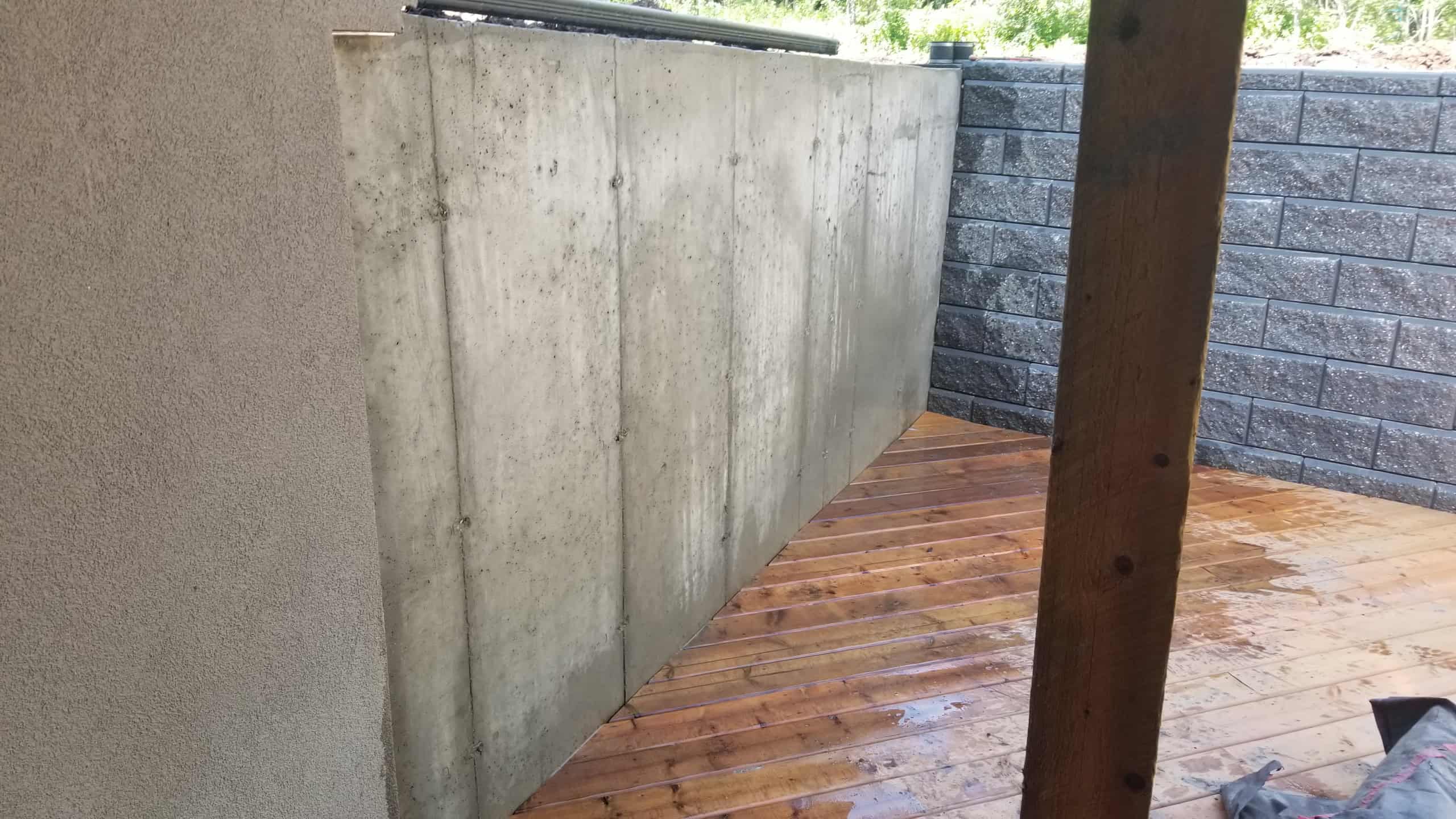
Best materials balance adhesion, flexibility, and freeze-thaw resistance: polymer-modified cementitious parges are generally preferred for exposed foundations, while acrylic finishes work well above grade for durability and colour stability. Cementitious mixes remain appropriate for below-grade areas when applied with careful curing and proper drainage details. Selection should consider lifecycle costs, local exposure, and aesthetic goals; request material data sheets and discuss local performance with contractors. Choosing the right material reduces maintenance and enhances freeze-thaw resilience.
How Do Surrounding Areas Like Sherwood Park and St. Albert Affect Parging Choices?
Nearby areas such as Sherwood Park and St. Albert may present local variations in soil type, grading, and construction practices that affect moisture exposure and thus material selection or drainage recommendations. Contractors familiar with these micro-conditions can recommend finish and substrate preparations tailored to local soil chemistry and winter exposure. Requesting references from local neighbourhood projects provides practical evidence of performance in similar microclimates. Local context matters for effective parging planning and long-term durability.
OUR SUPPLIERS
Every project is unique and requires a different approach. Working with variety of suppliers and manufacturers ensure that we deliver the best results.





Quick Answers to Frequently Asked Questions.
Parging is a coating that consists of Portland-cement, sand and water. This parge coating is applied on the visible portion of your home’s foundation walls. It provides aesthetic appeal while offering a protective layer for your foundation.
Parging protects your home or building’s foundation against elements such as weather. In time, weather elements slowly deteriorates the foundation walls and cause them to crumble and fall apart. Parging acts as a protective layer and deflects the hazardous elements.
Parging not only provides an aesthetic appeal to your home, but it also provides protection for your foundation walls against weather conditions whether it is concrete, wood or masonry based walls.
Parging offers insulation though minimal against weather conditions. It also prevents insects and other animals from nesting inside.
Contrary to common belief poured concrete walls are weak against weather elements such as snow, rain and wind. Parging offers an additional layer of protection against these hazardous elements and is needed for any type of foundation walls whether they are wooden, poured concrete or ICF walls.
Parging is not considered a DIY project, however with the right tools, material and experience it can be done. If you feel comfortable using trowels and mixture of sand based cement, you can apply the parge coat and the texture.
Generally speaking however, parging cannot be done by majority of people due to lack of experience. What is recommended is that you can fix the small cracks and apply little patches by yourself by purchasing pre-made parge mix at a store.
There are few number of reasons why a parging falls off. A poor workmanship while applying the parge coat is one of the reasons. Parging should be pressed onto the foundation walls with a trowel and it requires a certain amount of thickness for it to be strong. Additionally, poorly prepared parging mix can be another reason why a parging falls off. A good ratio between sand, cement and water is a necessity when preparing the parge mix.
Moreover, if the weather conditions are bad when applying the parging coat, it is doomed to fail later. A certain degree of good weather conditions is needed when applying parging. Therefore, inexperience and poor workmanship are the leading causes of why a parging fails and falls off.
Parging itself is not a waterproofing system that keeps the water out, however it offers immense benefits for water control. It is especially useful for membrane and other waterproofing systems that lies underneath the parge coat. Just like stucco, parging does not keep the water out however controls it.
Considering Canada’s weather conditions, parging season is between April and November where the temperatures allow the parge coat to dry nicely and timely. At least 48 hours should be given for parging to cure and stick to the foundation walls.
There are few alternatives to parging. Though more costly, these alternatives can beautify the foundation walls while offering various benefits.
- EIFS
Acrylic stucco system -commonly known as EIFS- can be applied on the foundation walls. This system offers the benefits of choosing over 100 different colors and better insulation. It provides water control, insulation and better appeal to foundation walls.
- Masonry
Masonry systems such as; brick, cultured stone or block walls can be installed instead of parging. However, these systems are more costly.
Most people use portland-cement and sand for parging. However, it is crucial to apply concrete adhesive bonding prior to applying parge coat onto the foundation walls so that the parging sticks better on to the surface.
Additionally, a good practice is to apply fiberglass mesh embedded in parge coat so that it provides the much needed flexibility against weather conditions.
As a good rule of thumb, the parge coat should be applied in a thick coating, ideally as 10mm (3/8 inch) however the thickness can vary due to the conditions of the wall and requirements.
Then the texture or a second coating can be applied for beautification and aesthetic appeal purposes while offering additional protection against weather elements.
Depending on the thickness of the parge coat, it is a good practice to allow it to harden in 24 to 48 hours. Parging will take at least 2 days to cure and settle.
You can paint the parging with the proper masonry-based or exterior stucco paint however, it’s not a good idea.
Parging protects the foundation walls which are on the lower part of a building or a home and foundation walls embrace the dirt, snow, ice and rain. Over time, the paint will chip away while chemicals inside eating away into the parging, leaving it vulnerable against weather conditions.
Concrete foundation itself will expand and shrink due to temperature and foundation settlements happen regularly therefore small hairline cracks in your parging is nothing to worry about.
Absolutely. The parging can be washed after it settles and cures. You can wash your parging to clean it from dirt.
No, it is not. Smooth parging is the texture that is different than skip-trowel texture and is needed to be floated. The acrylic parging uses acrylic finish coat as the textured layer. Although both systems require floating, the look and interior layers are different.