
Cost Effective and High Quality
ACRYLIC PARGING : INSTALLATION & REPAIRS
Residential - Commercial
GET A FREE ESTIMATE
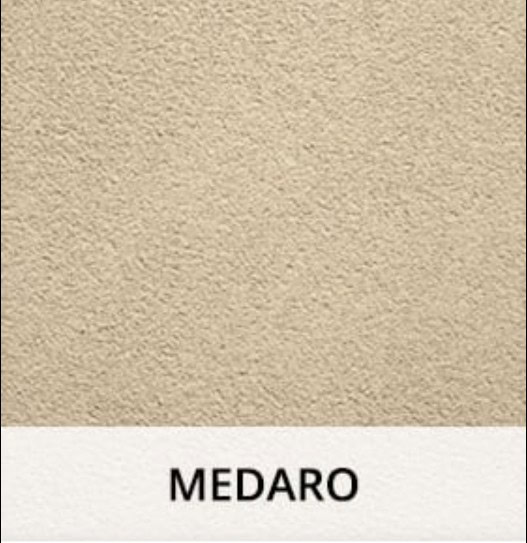
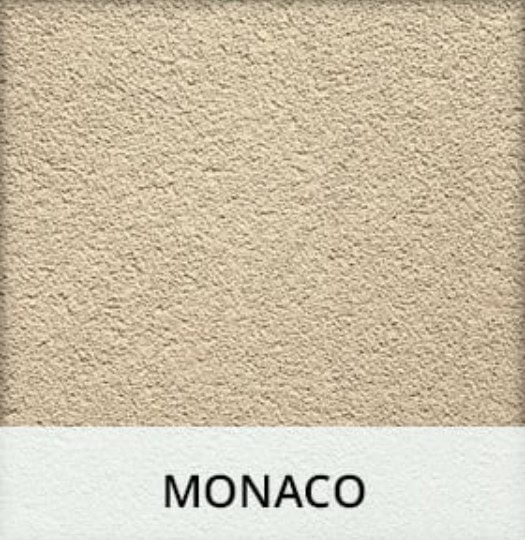
COLORS TO CHOOSE FROM

Acrylic Parging: Smooth, Durable Finish & Color Options
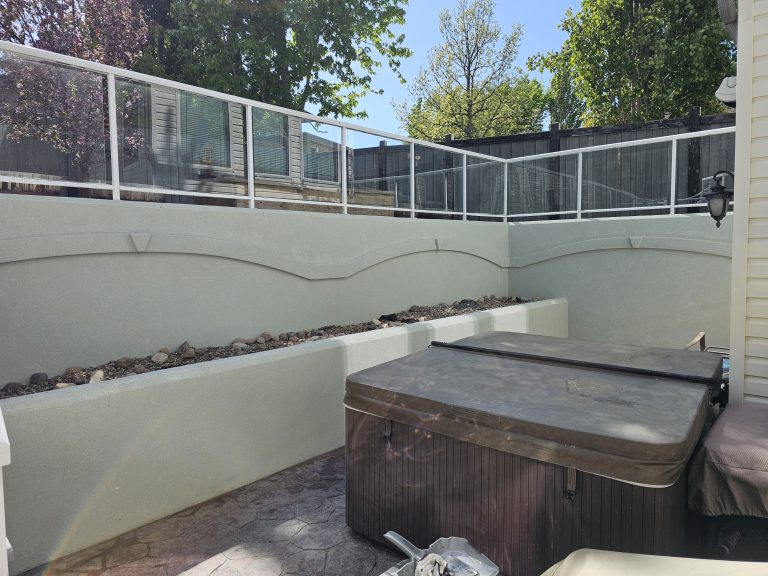
Acrylic parging offers a smooth medium pebble finish that looks very appealing. The wall coating has the ability to hide the imperfections on the wall and gives the wall a levelled look that is color consistent. The acrylic finish coat offers over 100 colors to choose from and has a matte look that doesn’t reflect the sunlight. It can be washed and can be cleaned easily from dirt and such.
Compared to the traditional trowel textured or smooth textured parging styles, acrylic parging offers a aesthetically better look that is attractive and offers a better water control that is beneficial to the cement coating behind the acrylic coat. It keeps the cementitious layer dry so that it doesn’t get exposed to moisture at all so that the sand in the cement doesn’t crumble.

Parging Install Process
Depending on the substrate that the parging will be installed on, the parging installation process vary. There are also external factors to consider such as the weather conditions e.g rain, hot, cold, snow etc. Work conditions also come into play when installing a parging system, such as the condition of the landscaping and in-progress construction work.
- Poured Concrete Foundations
- ICF (Insulated Concrete Forms) Foundations
- Pressure Treated Plywood
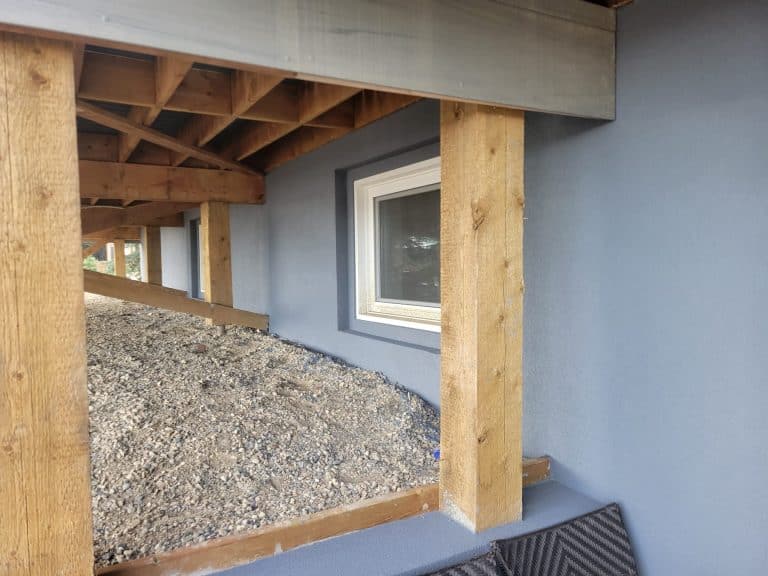
Pressure treated plywood is installed in sections on a foundation. Vapour barrier membrane should be installed all over, using A-mesh to cover the lines between plywoods. A parge coat embedded in fiberglass mesh will be applied. An acrylic finish coat will be applied on top.
Acrylic Parging Repair
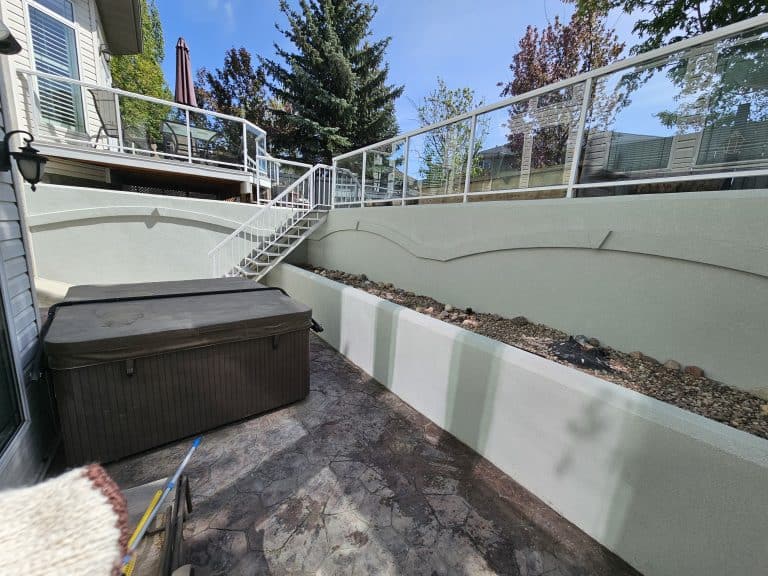
The parging might have issues related to physical and fire damage. Acrylic finish coatings tend to be very durable, long-lasting and resists against color deformation and such, and it provides amazing protection against water penetration.
If there are issues and damages that needs to be taken care of, it’s a good practice to repair the entire section since the float texture consists of medium to coarse pebbles that look like big grains of sand which would be hard to match to the existing walls, therefore it would be practical to apply the finish coating on to the entire section.
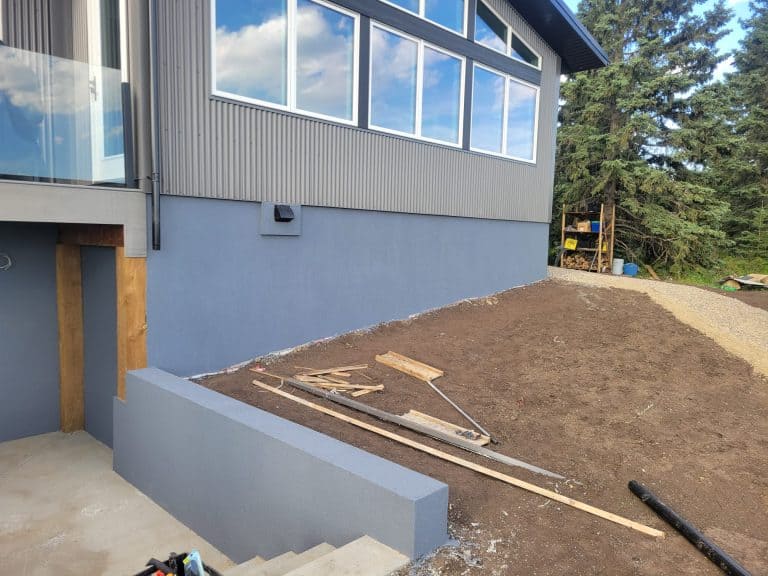
Parging installs and repairs offer aesthetic beauty to foundation walls while providing an extra layer of protection against various hazards. It’s a great idea to get your foundation walls look good while protecting the basement. Give us a call or shoot us an email and we’ll get back to you promptly.
What Is Acrylic Parging? Definition, Composition, and Key Characteristics
Acrylic parging is a thin, polymer-modified coating formulated to adhere to masonry and concrete, combining an acrylic binder with fine aggregates, pigments, and performance additives to create a flexible, finishable surface. Its mechanism of performance rests on the acrylic copolymer binder that provides elasticity and adhesion while fine aggregate and pigments supply texture and color. The coating is typically applied in thin base and finish coats that cure to a durable, crack-resistant shell suitable for aesthetic upgrades and moderate weather protection. Understanding these basic characteristics helps owners decide whether the product fits their substrate and exposure conditions.
What materials make up acrylic parging?
Acrylic parging is built from a small set of component types that each contribute a specific performance attribute. The polymer binder—usually an acrylic or acrylic-styrene copolymer—supplies flexibility and long-term adhesion to masonry substrates. Fine aggregate and pigments create texture, hide imperfections, and provide color options, while additives (such as freeze-thaw stabilizers, mildewcides, and plasticizers) tune durability and workability. Primers or bonding agents are commonly used with silica or latex-modified primers to improve adhesion on smooth or low-porosity surfaces. Understanding these parts clarifies why acrylic parging is both versatile and dependent on correct material selection
How does acrylic parging differ from traditional parging?
Acrylic parging differs from traditional cementitious parging primarily by binder chemistry and resulting physical behavior: acrylic uses a polymer binder that yields elasticity and color stability, while traditional parging uses Portland cement that cures rigidly. Elasticity reduces hairline cracking under thermal cycling and minor substrate movement, whereas cement parging can be more tolerant of vapor transmission but is more prone to brittle cracking. Finish options are broader with acrylics—they accept pigments and textures more readily—whereas cement parging often requires additional coating or painting for color. These contrasts inform the choice between flexible finish needs and breathability requirements.
What surfaces can acrylic parging be applied to?
Acrylic parging adheres well to poured concrete, concrete block (CMU), brick, stone, and previously parged surfaces when those substrates are sound and properly prepared. Porous substrates typically require cleaning and priming to ensure even suction and bond, while very smooth or glazed masonry may need mechanical keying or a bonding primer. Existing coatings must be assessed for adhesion and compatibility; failed or delaminated finishes should be removed before applying acrylic parging. Correct substrate preparation determines long-term performance and reduces the risk of delamination or premature failure.
What Are the Main Benefits of Acrylic Parging? Durability, Flexibility, and Moisture Protection
Acrylic parging delivers several interlocking benefits that make it a popular exterior finish: flexibility that limits hairline cracking, water-shedding properties that protect substrates from liquid water, and customizable aesthetics through pigments and textures. The acrylic binder provides elasticity that accommodates thermal cycling and minor movement, which reduces visible cracking compared with rigid cementitious layers. Liquid water resistance protects masonry surfaces from direct wetting and salt intrusion, though vapor transmission characteristics vary by formulation and must be considered for foundations. Together, these attributes lower routine maintenance and preserve curb appeal, while still requiring correct detailing at drainage planes.
A clear way to see how material choices map to benefits is with an EAV-style breakdown below that links components to their primary performance outcomes and trade-offs.
Component | Attribute | Performance / Benefit |
Acrylic copolymer binder | Elasticity & adhesion | Improves crack resistance and bond to substrate |
Fine aggregate | Texture & thickness control | Provides finish options and hides imperfections |
Pigments | Color stability | Long-lasting aesthetic customization |
Additives (freeze-thaw, mildewcide) | Durability enhancers | Extends service life in harsh climates |
This table shows that the polymer binder is central to flexibility while aggregate and additives tune appearance and durability. The next section explains how elasticity works to reduce cracking.
How does acrylic parging provide crack resistance and flexibility?
Acrylic’s polymer chains impart elasticity that lets a thin coating stretch and recover under small movements from thermal expansion, settling, or freeze-thaw cycles. Because acrylic parging is applied in relatively thin coats that bond tightly, stress is distributed across the polymer matrix rather than concentrating at a rigid fracture plane, reducing hairline cracking. That said, acrylic finishes cannot accommodate large structural movement; significant settlement or active cracks require structural repair or movement joints before parging. The practical result is less cosmetic cracking and longer-looking finishes for typical exterior facades.
In what ways does acrylic parging protect against moisture and weather?
Acrylic parging repels liquid water, shedding rain and reducing direct wetting of masonry, which protects against surface erosion and staining. Many formulations also include additives to resist mildew and UV degradation, prolonging appearance and function in exposed climates. However, coatings vary in vapor permeability; some acrylics reduce vapor flow more than cementitious alternatives, so flashings, proper grading, and drainage must complement the coating to avoid trapping moisture. Regular inspection of seams, penetrations, and base-of-wall interfaces ensures the system works with the building envelope to manage moisture effectively.
How does acrylic parging enhance aesthetic appeal and energy efficiency?
Acrylic parging allows a wide range of colors, textures, and finish profiles that can refresh curb appeal without major wall reconstruction, enabling seamless transitions to siding or trim. Light-colored finishes can reflect solar energy modestly, slightly reducing surface temperatures and contributing a small thermal comfort benefit, while continuous coatings can reduce thermal bridging at surface imperfections. Despite these effects, acrylic parging is not a substitute for proper insulation; any energy benefits are secondary to its protective and aesthetic roles. Still, visual transformation and durable color retention make acrylic appealing for many renovation projects.
Why is acrylic parging considered low maintenance?
Once cured and properly detailed, acrylic parging needs only periodic inspection, cleaning, and occasional touch-ups rather than frequent intensive maintenance. Dirt and biological growth can be removed with mild cleaners and gentle pressure washing; touch-ups address localized wear or impact damage without full system replacement. The lifetime between significant recoats depends on exposure and substrate condition but often spans many years under normal conditions. Proactive maintenance—clearing irrigation overspray, repairing flashing—extends service life and prevents small defects from becoming larger failures.
How Does Acrylic Parging Compare to Cement Parging? Key Differences and Advantages
Comparing acrylic and cement parging centers on flexibility versus breathability, finish options, and application differences. Acrylic parging offers superior flexibility and a broader palette of colors and textures due to its polymer binder, while cement-based parging typically permits higher vapor permeability and can be advantageous where drying of a wet substrate is critical. Application techniques differ: acrylic systems often require thin, trowel- or spray-applied coats with specific primers, whereas cement parging may be thicker and more tolerant of masonry moisture during cure. Choosing between them depends on substrate condition, moisture-risk profile, desired finish, and maintenance expectations.
Below is a direct comparison EAV-style table to clarify the principal trade-offs.
Attribute | Acrylic Parging | Cement Parging |
Flexibility | High — polymer elasticity | Low — rigid cement matrix |
Breathability | Moderate to low (varies) | Higher vapor permeability |
Finish options | Wide colors/textures | Limited without additional coating |
Typical lifecycle | Long with proper prep | Long if kept dry and well-drained |
Application | Thin coats, faster color finish | Thicker, more labor-intensive leveling |
What are the differences in flexibility and crack resistance?
Acrylic’s polymer network allows it to deform elastically under small strains, reducing hairline cracks that commonly appear in rigid cementitious layers. Cement parging, being brittle once cured, is more likely to show cracking from freeze-thaw cycles or minor movement unless reinforced or designed with control joints. However, when structural movement or large settlement occurs, neither system substitutes for structural remediation; selecting the correct parging type is about managing small-scale movement and minimizing cosmetic failure. Understanding expected movement informs material choice and detailing
Is acrylic parging more breathable than cement parging?
Generally, acrylic parging is less vapor-permeable than plain cementitious parging, though formulations vary and some acrylics are engineered for higher permeability. Breathability here refers to vapor transmission; when acrylic reduces vapor flow significantly, it can trap moisture in substrates that need to dry to the exterior. Cement parging typically allows more vapor diffusion, which can be beneficial for older masonry or damp foundations. The risk of vapor trapping with acrylic should be assessed against substrate dryness and drainage conditions before specification.
How do cost and application methods compare between acrylic and cement parging
Acrylic parging typically involves specialized primers, thin polymer-modified layers, and skilled finishing for texture and color, which can increase material and labor cost relative to basic cement parging. Cement parging may be less expensive on materials but can require more labor to achieve smoothness or color, and often needs subsequent painting if aesthetic control is desired. Factors such as access, repair extent, and finish complexity drive cost in both systems; see the cost breakdown table in the dedicated cost section for more detail. These economic trade-offs often determine the practical choice for a project.
Which parging type offers better durability and aesthetic options?
Proper surface prep begins with inspecting the substrate for loose material, efflorescence, oil, biological growth, and active cracks; all contaminants must be removed. Mechanical cleaning—wire brushing, pressure washing, or grit blasting—is used for heavy contamination, followed by controlled drying to acceptable moisture levels. Small cracks and voids should be repaired with compatible fillers, and very smooth surfaces need mechanical keying or a bonding primer to secure adhesion. Confirm substrate temperature and moisture levels against manufacturer guidelines before applying any primer or base coat.
Which tools and materials are needed for acrylic parging application?
Essential tools include mixing equipment (paddle mixer), trowels and hawk for manual application, texture tools or brushes, and sprayers when specified for finish coats; scaffolding or lifts may be required for elevations. Materials include a compatible primer or bonding agent, the acrylic parging base and finish products, reinforcing mesh (if recommended), and cleaners for surface prep. Personal protective equipment—gloves, eye protection, dust masks or respirators, and eye protection—is necessary for safety during mixing and application. Having the right tools reduces rework and helps achieve a consistent finish.
Tools and materials list summary:
- Mixing paddle and drill: Ensures consistent product mixing.
- Trowels and hawk: For controlled manual application of base and finish coats.
- Primer and bonding agent: Improve adhesion on marginal substrates.
How to ensure proper adhesion and durability during application?
Adhesion and durability hinge on substrate cleanliness, correct primer compatibility, ambient and surface temperature control, and following specified cure times between coats. Perform small patch adhesion tests in inconspicuous areas to confirm bond before large-scale application. Seal control joints and interfaces properly, and detail flashing at intersections with windows, doors, and grade to prevent water ingress. Implementing a short QA checklist—moisture test, adhesion test, visual uniformity, and edge detailing—prevents common failures and sets the stage for lasting performance.
How to Repair and Maintain Acrylic Parging for Longevity
Maintaining acrylic parging involves routine inspection, prompt repair of small defects, and scheduled cleaning to prevent deterioration; these practices extend service life and protect the underlying masonry. Small cracks, blisters, and stains can typically be addressed with localized repair materials and limited re-coating, while extensive delamination may require removal and full reapplication. Product categories useful in repairs include acrylic-compatible patch compounds, primers for feathering repairs, and sealants for joints and penetrations. For major repairs or recurring moisture-related failures, consult a qualified restoration professional to diagnose underlying causes.
What are common acrylic parging problems and how to identify them?
Common issues include hairline cracking, localized peeling or delamination, blistering, staining from water ingress, and biological growth in shaded, damp areas. Visual inspection identifies surface symptoms, but probing (knife or small screw-driver) and moisture tests help determine whether failures are cosmetic or indicative of substrate moisture problems. Distinguishing between isolated surface defects and systemic moisture intrusion is critical; the former can be patched, while the latter often requires remediation of drainage or waterproofing systems. Early identification enables simple fixes and prevents escalation.
How can you fix cracked or damaged acrylic parging?
Small cracks and chips are typically repaired by cleaning the area, routing or widening hairline cracks slightly, applying an acrylic-compatible patch or filler, and feathering to the surrounding texture before re-coating. For delamination, remove loose material back to sound substrate, clean and prime, then reapply base and finish coats as required to match texture and color. When matching texture and color is essential, practice on a sample board to replicate the finish. For widespread damage or evidence of moisture behind the coating, escalate to a professional assessment to address root causes.
What maintenance practices extend the life of acrylic parging?
A seasonal inspection routine—checking base-of-wall drainage, flashing, sealant condition, and localized wear—catches issues early and avoids costly repairs. Clean the finish with gentle detergents or low-pressure washing to remove soiling and biological growth without abrading the coating. Recoat or touch up areas that show persistent wear or UV degradation according to manufacturer intervals; keep irrigation and landscaping from directing water onto the finish. Prompt small repairs, paired with correct detailing, extend service life significantly and keep the finish performing as intended
What Does Acrylic Parging Cost? Factors Influencing Price and Budgeting Tips
Acrylic parging cost depends on materials, labor skill level, surface preparation, access, and finish complexity; transparent budgeting requires itemizing these drivers rather than relying on a single per-square-foot figure. Materials include primer, base and finish products, reinforcing mesh, and sealants; labor reflects removal, repairs, and finish skill for consistent texture and color. Access considerations—scaffolding, lifts, or confined-space work—increase cost, as do substrate repairs such as crack stitching or replacing damaged masonry. Seasonal factors and local contractor availability further affect pricing, so preparing an itemized scope helps produce comparable quotes.
Below is a cost-driver EAV table that breaks common cost elements into typical influence categories to guide budgeting discussions.
Cost Element | Attribute | Typical Range |
Materials | Primer, base/finish, mesh | Moderate impact depending on quality |
Labor | Surface prep, application, finishes | Major cost driver; skilled finish increases price |
Access/Scaffolding | Height and reach requirements | Can be significant on multi-story projects |
Prep/Repair | Crack repair, delamination removal | Variable; hidden issues increase budget needs |
This table clarifies that labor and prep often dominate budgets; asking contractors for itemized breakdowns uncovers where savings or risks lie.
Is Acrylic Parging Breathable? When to Use It on Foundations and Alternatives
Breathability refers to a coating’s ability to transmit water vapor; acrylic parging can vary from moderately permeable to relatively low in vapor transmission depending on formulation. A coating that limits vapor flow can trap moisture inside concrete or masonry that must dry toward the exterior, creating potential for freeze-thaw damage, efflorescence, or interior humidity issues when drainage is poor. Decision criteria for foundation use should include substrate dryness, existing waterproofing, climate (freeze-thaw risk), and graded drainage. When these conditions are not confidently met, breathable alternatives may be preferable.
What does breathability mean in the context of acrylic parging?
In building science terms, breathability means vapor permeability—how freely water vapor can diffuse through a coating—often discussed as a perm rating or water vapor transmission rate. A breathable coating allows moisture vapor from within the wall to escape to the exterior, reducing the risk of trapped moisture that causes deterioration. Acrylic formulations span a range: some are engineered for higher permeability, while others are designed primarily for water-shedding and aesthetics, so assessing product specifications or choosing a documented breathable system is important where moisture management matters.
What are breathable alternatives to acrylic parging for foundations?
Breathable alternatives include cementitious parging and lime-based finishes that generally offer higher vapor permeability, as well as specialized breathable coatings and EIFS systems designed with drainage planes. Each alternative has trade-offs: cementitious finishes allow drying but are less flexible; lime-based systems are historically breathable but require skilled application; EIFS with drainage can combine aesthetics with water management when detailed correctly. Choose an alternative based on the need for vapor permeability, desired finish, and long-term maintenance plan for the foundation.
Acrylic parging offers versatile finishes and solid performance in many exterior applications, but aligning product choice with substrate condition, drainage, and climate is essential to long-term success. Consult us to determine whether acrylic parging is right for your project.
OUR SUPPLIERS
Every project is unique and requires a different approach. Working with variety of suppliers and manufacturers ensure that we deliver the best results.