
Cost Effective and High Quality
INSULATED CONCRETE FORMS (ICF) PARGING
Residential - Commercial
GET A FREE ESTIMATE
Traditional Color Options for ICF Parging
ACRYLIC COLORS

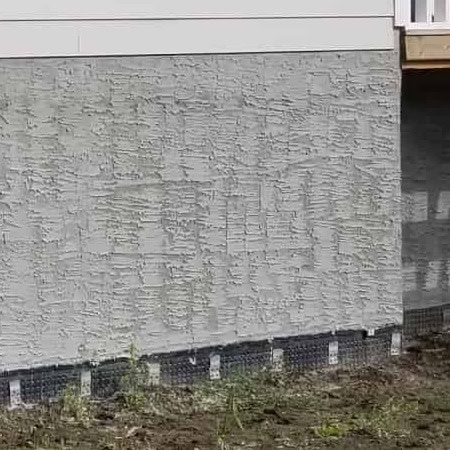
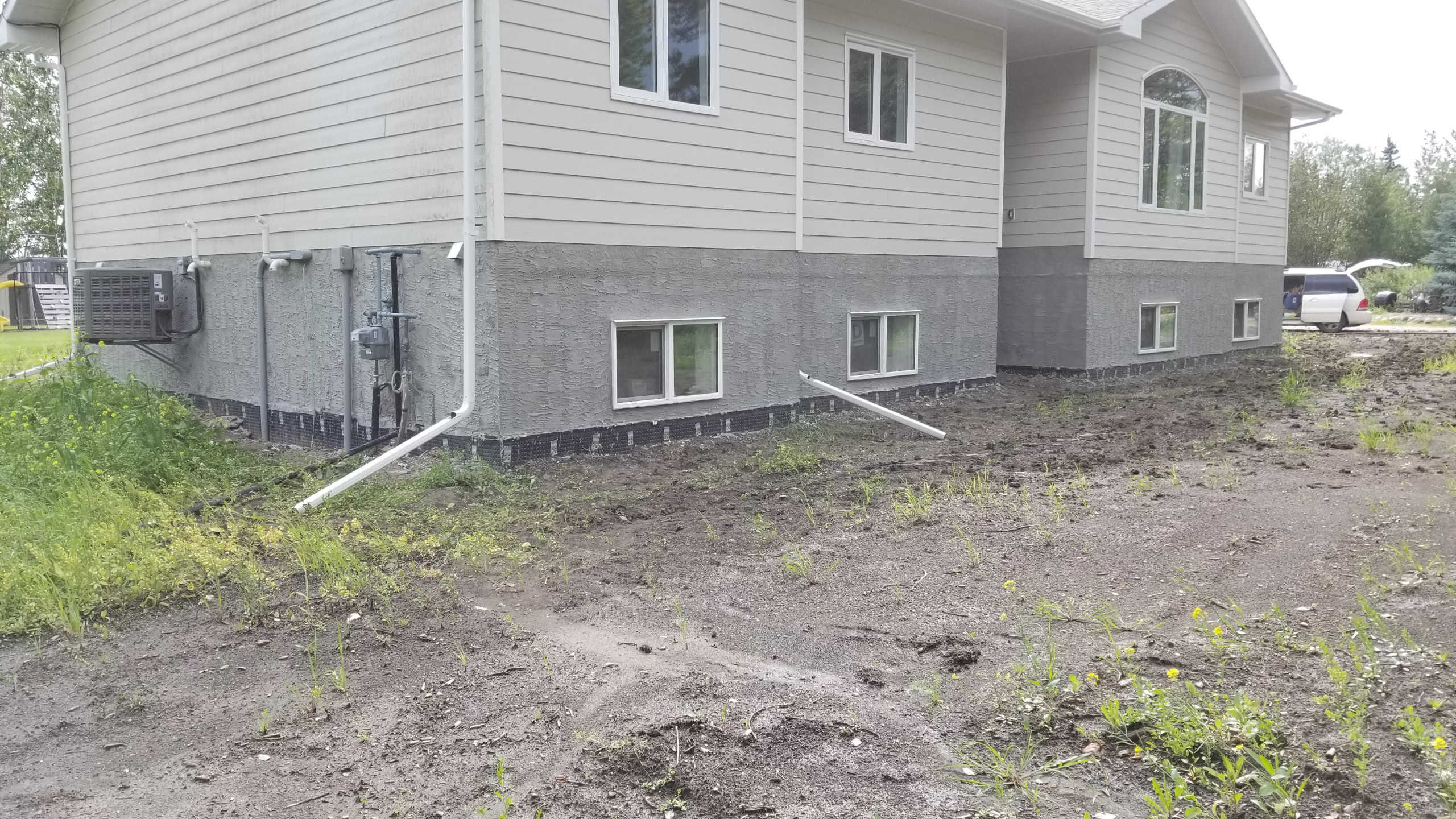
ICF Parging
Insulated concrete forms is a type of foundation system that consists of insulating foams that are separated by steel reinforcements in between and filled with concrete. ICF foundations are quite useful in regards to energy efficiency and can be built with relative ease. It offers cost savings in bills and provides a better R-value compared to the poured concrete foundations.
Insulated Concrete Forms are much stronger than wood-frame construction and will last around 100 years.

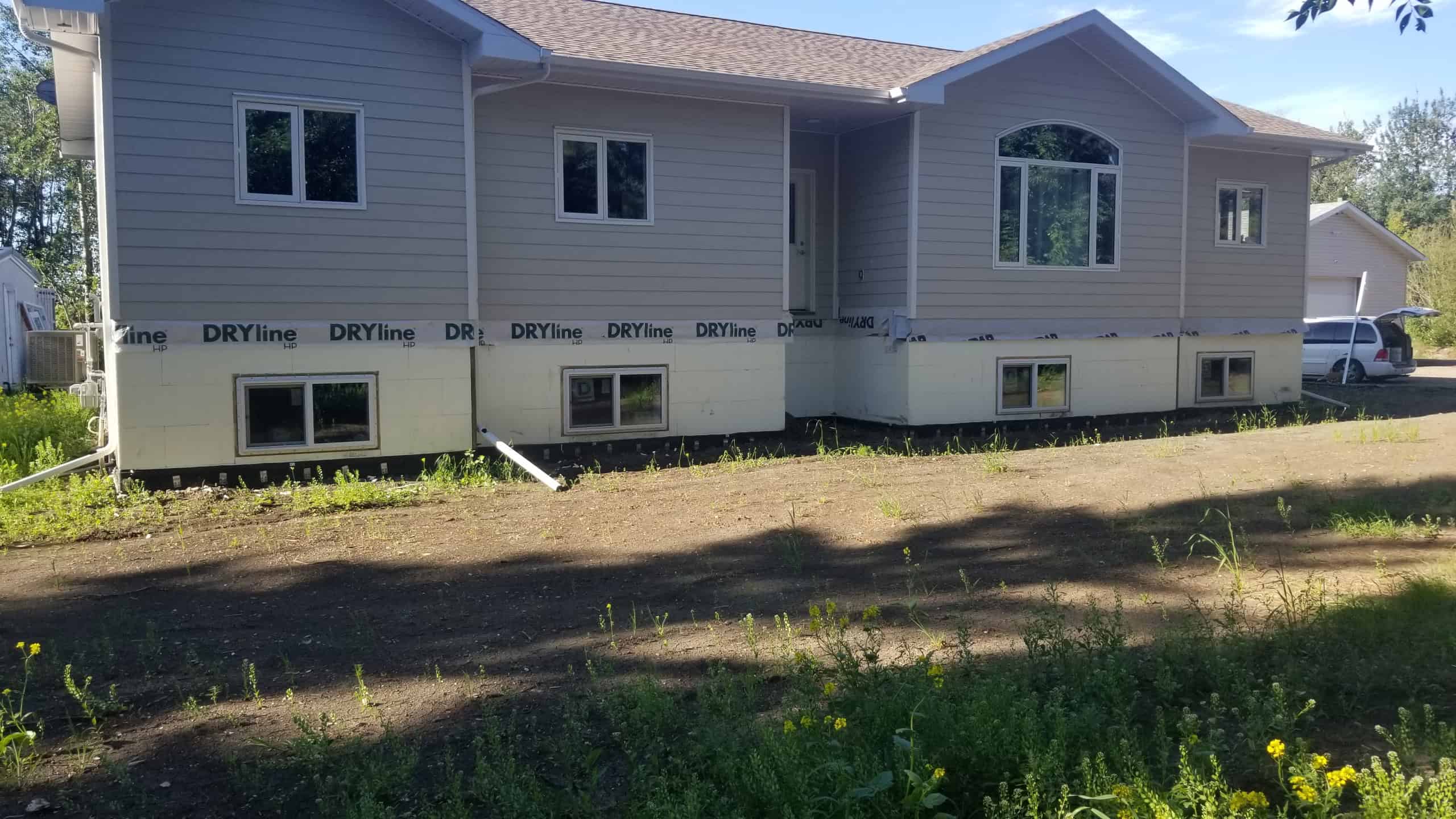
Parging Install Process
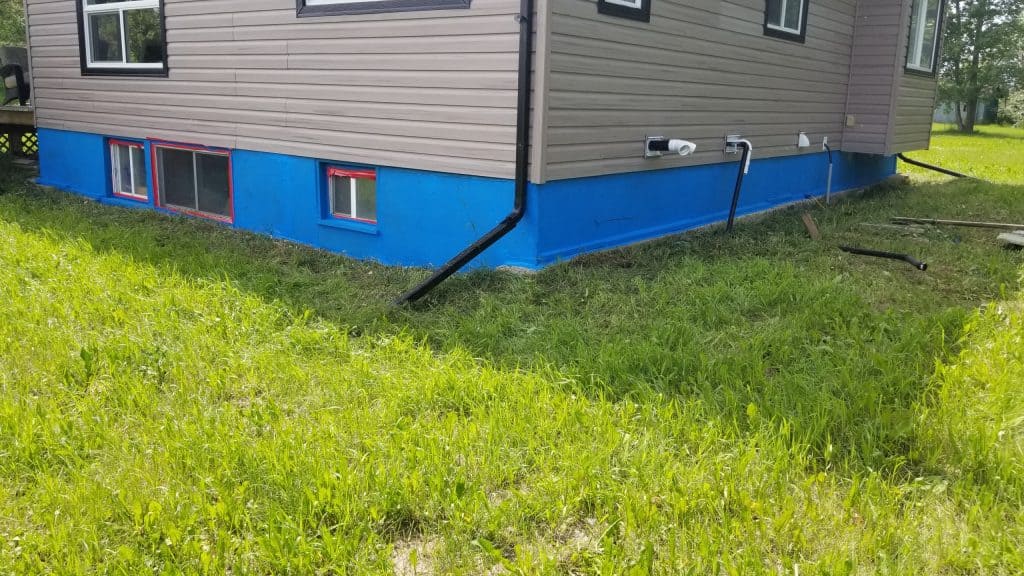
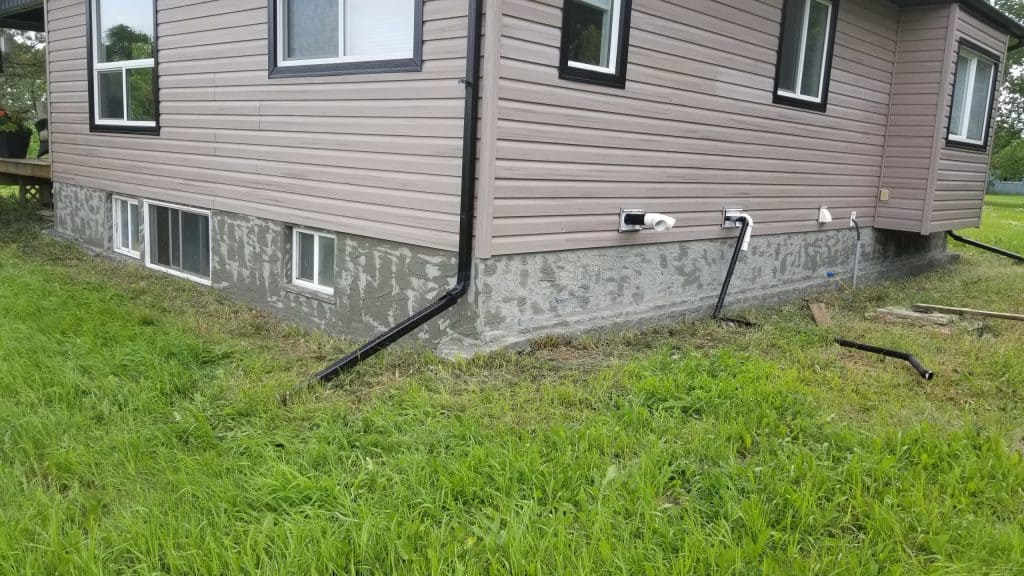
On an ICF foundation, there is polystyrene foam that usually needs to be rasped to level the surface to apply the fiberglass mesh embedded in basecoat. Depending if there are trims required around the vent covers and basement windows, we will install stucco trims.
There are traditional texture styles such as skip-trowel and smooth textures that can be applied over the basecoat. There is also, acrylic finish texture that can be applied in multiple colors, trims can be in another color than the walls.
ICF Parging Repair
The parging might have issues related to physical and fire damage. Acrylic finish coatings tend to be very durable, long-lasting and resists against color deformation and such, and it provides amazing protection against water penetration.
If there are issues and damages that needs to be taken care of, it’s a good practice to repair the entire section since the float texture consists of medium to coarse pebbles that look like big grains of sand which would be hard to match to the existing walls, therefore it would be practical to apply the finish coating on to the entire section.
Parging installs and repairs offer aesthetic beauty to foundation walls while providing an extra layer of protection against various hazards. It’s a great idea to get your foundation walls look good while protecting the basement. Give us a call or shoot us an email and we’ll get back to you promptly.
What Is ICF Parging and Why Is It Essential?
ICF parging is the applied layer system—typically a base coat, embedded reinforcement mesh, and a finish coat—designed to protect exposed EPS and concrete from weathering, UV, moisture, pests, and physical abrasion. The mechanism combines adhesion to the foam with a mechanical barrier that diverts water and shields the insulation, which preserves the thermal performance and structural durability of the ICF wall assembly. Proper parging reduces maintenance, prevents insulation degradation from sunlight and biological growth, and helps satisfy building codes that require protection of exposed foam surfaces. Understanding these protective roles sets up the selection of materials and the application sequence detailed in the next sections, because the choice of mortar and reinforcement directly affects long-term performance.
What Does ICF Parging Mean in Construction?
In construction terms, parging ICF means applying a thin to moderate layer of cementitious or polymer-modified material over the exposed form faces and seams to create a continuous protective coating. Typical locations include foundation perimeters, above-grade stem walls, window and door returns, and any exposed foam above slab grade; parging also covers blockouts and service penetrations to maintain continuity. The goal is a durable, bonded layer that resists weather, limits UV exposure to EPS, and creates a substrate for finishes or paints when required. Recognizing where parging is needed on a plan—especially where EPS is exposed to weather—guides the preparation and detailing described in the HowTo section.
What Materials and Components Are Used in ICF Parging?
ICF parging systems are composed of a bond/primer where needed, a base coat (often cementitious or acrylic-modified), reinforcement mesh (fiberglass or metal lath), and a finish/top coat that provides texture and UV resistance. Ancillary components include bonding agents for difficult substrates, primers to improve adhesion to EPS, and optional below-grade waterproofing membranes that must be tied into the parge system at transitions. Each component has a functional role: the bond coat ensures adhesion, the base coat carries the mesh and builds thickness, and the finish coat resists UV and provides aesthetics. Selecting compatible products for EPS adhesion and expected exposure conditions is essential to prevent delamination and premature failures; the comparison of material families below helps with that choice.
How Does ICF Parging Protect Insulated Concrete Forms?
Parging protects ICFs by creating a physical barrier that blocks direct sunlight and rainfall from contacting EPS, thereby preventing UV-induced degradation and limiting moisture ingress that can compromise insulation and concrete. The embedded mesh distributes stresses and controls shrinkage cracks, and properly cured parge layers reduce freeze-thaw deterioration where climates demand. Additionally, parging discourages pests and mechanical damage by adding a tougher sacrificial surface to the foam. These protective mechanisms reduce long-term repair frequency and maintain thermal performance, which links directly to lifecycle cost benefits discussed later.
Why Is ICF Parging Required by Building Codes?
Building codes require exposed foam to be covered or treated to reduce fire spread, limit deterioration from environmental exposure, and ensure durable, long-term performance of the building envelope. The rationale behind code requirements is to protect occupants and the assembly by creating a non-exposed, protective surface over combustible foam while also reducing moisture and UV damage. Practitioners should consult local code sections and product-specific approvals (for example, manufacturer technical data and acceptance reports) to confirm compliance for a particular jurisdiction. Confirming code intent early influences whether a traditional cementitious parge, an acrylic-modified system, or an approved thin microcement approach will satisfy local inspectors.
Which Are the Best Parging Materials for ICF Walls?
Choosing the best parging material for ICF walls depends on exposure, expected movement, adhesion to EPS, desired finish, and long-term maintenance expectations. Cementitious mortars are time-tested for compressive resistance and breathability, acrylic-modified systems add flexibility and improved adhesion to foam, and microcement or polymer-enhanced thin systems offer waterproofing and refined finishes for higher-end projects. The decision matrix below helps select a family based on exposure level, thermal movement, and finish preference, and the table that follows summarizes key attributes across these material families. When selecting a specific product, neutral examples that appear in industry reporting—such as SikaWall-1000 ICF for polymer-modified approaches, Durock B2000 as a cement board-style system, or microcement offerings from specialist suppliers—illustrate how individual systems map to the categories described here.
Different parging materials suit distinct project needs; the following comparison clarifies which to choose for common scenarios.
Material / Product Example | Flexibility | Breathability | Adhesion to EPS | Waterproofing | Typical Thickness | Curing Time |
Cementitious parging (e.g., Durock B2000-type approaches) | Low to moderate | High | Moderate with primer | Limited (needs membrane) | 3/16″–3/8″ | 24–72 hours initial |
Acrylic-modified parge (polymer-enhanced, e.g., SikaWall-1000 ICF-type) | High | Moderate | High | Improved (water-resistant) | 1/8″–3/8″ | 24–48 hours touch |
Microcement / polymer systems (specialist suppliers) | High | Low to moderate | High with proper primer | Excellent (thin waterproof) | 1/16″–1/8″ | 8–48 hours depending on formula |
This comparison highlights trade-offs: cementitious mixes offer breathability and hardness, acrylic systems improve flexibility and adhesion to EPS, and microcement systems deliver thin waterproof finishes suitable for specific architectural requirements. The next section explains how to apply these materials correctly so the chosen system performs as intended.
What Are the Features of Cementitious Parging for ICF?
Cementitious parging mortars are rigid, breathable finishes with good compressive strength that resist impact and provide a traditional, economical protective layer for ICF foundations. They typically require reinforcement mesh or lath to control shrinkage cracking, and they bond reliably when substrates are prepared and primers used where necessary. Limitations include potential for cracking under significant thermal movement and sensitivity to improper cure conditions and freeze-thaw cycles. For projects with limited movement and where breathability is prioritized, a cementitious parge with proper reinforcement is often the most durable cost-effective choice.
How Do Acrylic-Modified Parging Materials Benefit ICF Walls?
Acrylic-modified parging materials incorporate polymers to increase flexibility, adhesion to EPS, and crack resistance compared with plain cement mixes, making them suitable for above-grade ICF walls subject to thermal expansion and movement. These systems often accept direct finishes and paints, offer improved UV resistance in the topcoat, and reduce the need for aggressive reinforcement in moderate exposure conditions. Drawbacks include higher material cost and varying breathability depending on formulation, which can influence moisture management strategies. Where adhesion to foam and aesthetic finish quality are priorities, acrylic-modified parges frequently offer the best balance.
What Are Advanced Microcement Systems for ICF Parging?
Microcement systems are thin, polymer-rich coatings that create a smooth, waterproof, and architecturally refined finish when installed by skilled applicators; they can function as both protective parge and final decorative layer. Because they are applied thinly and formulated for adhesion to prepared substrates, microcements reduce added weight and can be useful when minimal profile is desired. These systems require precise surface prep, compatible primers, and experienced installers; they are often chosen for specialty projects or where a high-performance, water-resistant finish is needed. Recent trends through 2023–2025 show increasing use of microcement for above-grade ICF facades seeking both durability and design flexibility.
How to Parge ICF Walls: Step-by-Step Application Guide
Parging ICF walls requires careful surface prep, correct mixing and troweling of base coats, proper embedding of reinforcement mesh, and controlled finishing and curing to ensure adhesion and durability. The procedure starts with inspection and cleaning of foam faces and seams, followed by mechanical rasping where needed to create a key for the bond coat; after priming (if specified) the base coat is applied, mesh embedded, then the topcoat and texture are finished with attention to weather and cure windows. Tools, materials, and mixing consistency are critical to avoid common failures such as bridging, delamination, or insufficient embedment of mesh. The detailed step subsections below provide the preparation checklist, mesh embedding rules, finishing techniques, and a tools and supplies table to support DIYers and professional crews.
- Inspect and clean ICF faces and seal penetrations, allow surfaces to dry.
- Rasp seams and apply bond coat or primer as required, wait recommended flash-off.
- Apply base coat, embed reinforcement mesh into wet base, allow initial cure (24–48 hours).
- Apply finish/top coat, texture as desired, and allow full cure before paint or sealer.
How Should You Prepare ICF Walls Before Parging?
Proper preparation begins with a thorough inspection: remove debris, confirm EPS is intact, check for voids at ties and seams, and verify that form ties and blocking are not projecting into the future parge plane. Mechanical rasping or light sanding creates a mechanical key for many parging systems while cleaning with low-pressure water removes dust and contaminants that impede adhesion. Treat and seal seams, penetrations, and construction joints with appropriate backer materials or sealants before applying any bond coats or base materials. Good preparation minimizes adhesion failures and sets the stage for correct mesh embedding described next.
What Is the Process for Applying the Base Coat and Embedding Reinforcement Mesh?
Mix the base coat to the manufacturer’s recommended consistency, aiming for a trowelable, cohesive mix that holds mesh without sagging; avoid overwatering which reduces bond strength. Apply the first base coat at the specified thickness, immediately embed the reinforcement mesh while the base coat is still wet, ensuring full wet embedment and overlapping mesh edges by the recommended amount (typically 2–4 inches). Use a flat trowel to remove air pockets and prevent mesh bridging—mesh should be fully integrated into the body of the base coat rather than merely surface-attached. Allow the base coat to reach initial set before applying subsequent scratch coats or finishes, respecting temperature and humidity cure windows.
How Do You Finish the Top Coat and Achieve Desired Textures?
Top coats can be smooth, sand-finish, or textured depending on aesthetic choice; finishing tools and techniques vary from trowels for smooth finishes to floats or brushes for textures that mimic stucco. Apply the finish when the base coat has adequately cured and surface moisture is appropriate for the chosen finish; improper timing can trap moisture or cause adhesion problems. Compatible paints or sealers may be applied after full cure to enhance UV resistance and waterproofing where allowed by the product. Monitor weather forecasts and protect fresh parges from rapid drying, freezing, or rain to avoid surface cracking and color inconsistencies.
What Tools and Materials Are Needed for ICF Parging?
Below is a practical tools and supplies table to guide purchases, rentals, and crew setup for professional-quality parging work.
Tool / Supply | Purpose | Recommended Specs / Alternatives |
Trowels & Floats | Apply and finish base and top coats | Stainless steel trowels 8″–14″; magnesium or foam floats for textures |
Mixer (drill/mortar) | Achieve consistent mortar mix | 1/2″–3/4″ paddle mixer for small batches; portable mortar mixers for larger jobs |
Reinforcement Mesh | Crack control and reinforcement | Alkali-resistant fiberglass mesh 4.0–6.0 oz or galvanized metal lath where specified |
Rasp / Sanding Tools | Create mechanical key on EPS | Hand rasps or power rasp for long runs; abrasive pads for minor scuffing |
Bonding Agent / Primer | Improve adhesion to EPS | Manufacturer-specified primers for each parging system; acrylic primers for polymer systems |
Safety Gear | Protect crew | NIOSH masks for silica, gloves, eye protection, and fall protection for elevated work |
This table gives a practical reference so teams can match tool choices to project scale and contractor capacity; renting mixers or specialty floats can reduce upfront costs.
What Are Common ICF Parging Problems and How Can You Fix Them?
Common failures include cracking, spalling, delamination, and moisture intrusion—each has distinct root causes such as poor substrate prep, inadequate mesh embedment, wrong mix consistency, or missing waterproofing transitions. Effective troubleshooting begins with diagnosis: identify whether failures are surface shrinkage cracks, structural movement cracks, or adhesion-related delamination to determine repair strategy. Repairs often follow a sequence: remove loose material, prep the substrate to sound material, apply a compatible bonding agent, and reapply reinforced base and finish coats while addressing the original cause. Preventive measures and correct integration with waterproofing and flashing are the best way to avoid recurring problems; the sections below describe root causes and repair workflows.
- Visual hairline cracks: monitor for growth and repair with flexible patch and finish.
- Delamination or blistering: remove delaminated parge, clean substrate, apply primer and re-bond.
- Spalling or loss of cover: remove loose material, check mesh integrity, and re-apply reinforced parge.
These triage steps provide immediate guidance; long-term repairs must correct underlying moisture or movement drivers.
Why Do Cracking and Spalling Occur in ICF Parging?
Cracking and spalling arise from thermal movement, insufficient reinforcement, incorrect mortar ratios, rapid drying, or freeze-thaw stress in cold climates. Rigid cementitious parges are more likely to crack where thermal expansion and contraction are significant, whereas poorly embedded mesh can’t control shrinkage movements leading to localized spalls. Detection involves inspecting crack patterns, depth, and mesh exposure; linear cracks following joints or penetrations suggest movement while random hairline cracking often indicates shrinkage or curing issues. Early remediation—such as filling and reinforcing localized areas—prevents moisture ingress that would worsen spalls and accelerate deterioration.
How Can Adhesion Issues Be Prevented and Resolved?
Prevent adhesion failures by following a strict surface prep protocol: clean contaminants, provide mechanical key via rasping, use manufacturer-recommended primers or bonding agents, and maintain proper mix consistency and application timing. Diagnosis of delamination starts with sounding the parge to locate voids and checking for residual surface contaminants; repairs require mechanical removal of loose material, re-priming, and reapplication of base coat with embedded mesh. Using compatible materials—especially primers and polymer-modified mortars specified for EPS—reduces the risk of chemical incompatibility or bond failure. Proper curing and protection from premature drying or moisture infiltration are final steps to ensure long-term bonding.
What Are the Best Practices to Avoid Moisture Intrusion?
Integrate parging with a continuous drainage plane, proper flashing at openings, and below-grade waterproofing where required to prevent water from bypassing the parge and reaching the structure. Overlap membranes and parge layers per manufacturer guidance: membranes should terminate above critical grade or be tied into flashing details so water sheds away from the ICF assembly. Design with through-wall penetrations sealed and with back-drains or weep systems where hydrostatic pressure is likely. Regular inspections and maintenance of flashings, sealants, and lower-term transitions minimize the probability of hidden moisture damage and prolong parge life.
What Are the Alternatives and Complementary Finishes to ICF Parging?
Parging is one protective finish option for ICF assemblies; alternatives include traditional three-coat stucco, EIFS systems, and stone or brick veneer that provide different aesthetic, performance, and cost profiles. Integrating these finishes with ICF requires attention to attachment methods, additional substrate preparations, and waterproofing sequencing to maintain the integrity of the foam and concrete core. Complementary finishes may require additional blocking, metal lath, or furring to provide a stable substrate for heavier veneers. Below we compare these alternatives to help determine when parging is the optimal choice versus when an alternate finish better aligns with architectural or performance goals.
How Do Stucco, EIFS, and Veneer Compare to Parging?
Stucco is a heavier, three-coat cementitious system that provides robust durability and a wide range of textures but often requires additional lath and careful crack control. EIFS delivers high-insulation cladding with design flexibility and thin finishes but requires careful detailing for drainage and impact resistance. Veneer finishes such as stone or brick provide exceptional aesthetics and physical protection but add weight and require engineered attachment systems and substrates. For many ICF projects, parging is the simplest protective approach that balances cost and performance, while stucco or veneer may be selected when architectural expression and longevity justify additional materials and detailing.
How Can Waterproofing Membranes Be Integrated with ICF Parging?
Waterproofing membranes should be sequenced so that below-grade membranes and parge layers overlap and terminate appropriately to direct water away from the wall assembly; membranes typically extend up to and above the top of the footing and tie into drainage board where used. For above-grade transitions, membranes and flashings must be coordinated at windows, doors, and penetrations so the parge provides the finish while the membrane provides the primary water control. Where membranes are required, maintain clear vertical and horizontal offsets that allow the parge to sit without bridging or creating trap points for water. Proper sequencing and overlap reduce the risk of water bypassing the parge and entering the structure.
How Much Does ICF Foundation Parging Cost: DIY vs. Professional Installation?
ICF parging cost depends on material type, square footage, surface preparation complexity, crew experience, access, and whether additional waterproofing or scaffolding is required; typical industry ranges vary by region and product family. Material categories include cementitious mortars (usually the most economical), acrylic-modified systems (mid-range cost), and microcement or specialist polymer systems (higher cost). For budgeting, estimate material and labor separately, factor allowances for mesh, primers, scaffolding, and contingency for repairs; the EAV table below breaks down principal cost factors, their DIY vs professional impact, and typical ranges or considerations. A concise front-line summary: homeowner DIY can save labor cost but accepts risks related to warranty, finish quality, and potential rework, while professionals bring speed, correct sequencing, and warranty protections that often justify higher upfront cost.
Below is a cost-factor table to clarify drivers and their relative impacts for planning purposes.
Cost Factor | DIY Impact | Professional Impact | Typical Consideration / Range |
Materials (mortar, mesh, primer) | Manageable purchase; risk of waste | Bulk purchasing, consistent specs | Cementitious lower cost; microcement premium |
Labor (prep, application) | High time investment; skill required | Faster, skilled crews; higher hourly cost | Labor often dominates installed cost |
Access / Scaffolding | Rental or makeshift solutions | Contractor provides scaffold and safety | Scaffolding can add significant cost on tall walls |
Waterproofing/Flashing | May require subcontractor | Cross-trade coordination included | Adds to cost but critical for durability |
This breakdown helps determine when to DIY: for small, simple above-grade walls with easy access a DIY approach may be feasible; larger or complex jobs typically benefit from professional crews.
What Factors Affect the Cost of ICF Parging?
Key variables include material selection (cementitious vs acrylic vs microcement), surface condition and prep intensity, square footage and access, local labor rates, and the need for scaffolding or additional waterproofing. Material choice can shift unit price significantly: cementitious mortars generally cost less per bag while polymer-enhanced or microcement systems command higher unit prices and specialized installer fees. Complexity such as many penetrations, varied geometry, or cold-weather work increases labor hours and therefore total installed price. Use a per-square-foot estimating method plus allowances for prep and detailing to reach a site-specific budget.
How Does ICF Parging Improve Energy Efficiency and Durability?
Parging enhances energy efficiency by protecting EPS from UV and moisture that would otherwise degrade insulating performance, and by maintaining thermal continuity across transitions and penetrations. A bonded parge layer reduces air intrusion at foam seams and prevents insulation compression or erosion that leads to thermal bridging, preserving the designed R-value of the ICF assembly. Durability improvements include mechanical protection from impacts, reduced freeze-thaw damage when paired with appropriate materials, and a lower frequency of repair when good detailing and mesh reinforcement are used. Emerging materials and application techniques through 2023–2025 show increasing use of microcement for above-grade ICF facades seeking both durability and design flexibility.
How Does Parging Enhance Thermal Insulation of ICF Walls?
By shielding EPS from direct sunlight and moisture, parging prevents EPS oxidation and dimensional change that reduce insulating effectiveness, thereby sustaining the thermal performance designed into ICF systems. Parging also helps seal small gaps and protects joint sealants from UV damage, reducing air leakage and maintaining thermal continuity at interfaces. Over time, a continuous protective parge preserves the nominal R-value by preventing damage modes that create thermal bridges or moisture-laden insulation. These mechanisms collectively improve operational energy performance and occupant comfort.
In What Ways Does Parging Increase the Durability of ICF Foundations?
Parging provides a sacrificial outer layer that absorbs abrasion and impact, protecting the foam and concrete substrate from erosion and mechanical damage. Embedded mesh and appropriate mortar thickness control cracking and distribute stresses that would otherwise concentrate at foam seams or around penetrations. The protective layer also limits biological growth and reduces freeze-thaw cycle damage by minimizing moisture penetration into vulnerable regions. Routine inspections and timely maintenance of parge and flashing ensure that these durability benefits persist, lowering total lifecycle repair needs.
What Recent Innovations Are Improving ICF Parging Materials?
Recent innovations include improved polymer-modified mortars with tailored flexibilizers that enhance adhesion to EPS while resisting cracking, advances in microcement waterproofing formulations suitable for exterior vertical applications, and UV-stable acrylic topcoats that prolong finish appearance and performance. These developments address historical weak points—adhesion and crack resistance—by blending flexibility with sufficient compressive strength. For designers and builders, reviewing manufacturer datasheets and recent acceptance reports can reveal which products align with these innovations and the specific performance metrics they deliver.
- Protective Performance: Modern polymer systems balance flexibility and adhesion for longer service life.
- Thin-Film Options: Microcement and polymer thin coatings offer water resistance without heavy build-up.
- Improved Topcoats: UV-stable acrylic finishes extend color and surface durability in exposed settings.
These trends make modern parging systems more reliable and better suited to a wider range of architectural applications while reducing long-term maintenance
OUR SUPPLIERS
Every project is unique and requires a different approach. Working with variety of suppliers and manufacturers ensure that we deliver the best results.