
Cost Effective and High Quality
STUCCO EATING BIRDS
REPAIRS
Residential - Commercial
GET A FREE QUOTE TODAY


Stucco Eating Birds (Woodpecker) Repairs
Solida Coatings has been helping homeowners, builders, contractors, developers and property managers throughout Edmonton and Calgary for many years with stucco eating birds and woodpecker holes repairs. It is our mission to provide best results for your building’s exterior cladding system. We offer our services for various stucco repair projects.
Woodpecker damage to stucco is more than an aesthetic problem; even small peck marks can expose substrate and allow water to penetrate, leading to rot, mold, and costly structural repairs if left unchecked. Solida Coatings is a stucco contractor offering woodpecker damage repairs for both residential and commercial properties. Solida Coatings takes on any size and kind of repair project with ease, using only top quality materials from reputable suppliers which helps provide better results for your project. Solida Coatings offers free estimates for stucco repair projects.

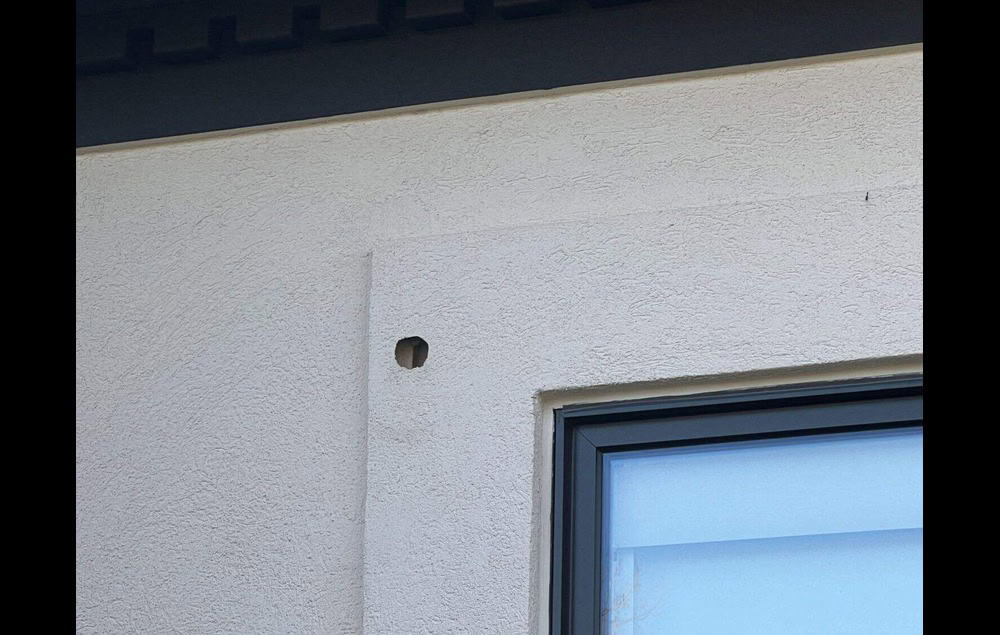
Woodpecker Holes Repairs
Woodpeckers tend to peck holes into EIFS (Exterior Insulation and Finish Systems) to get worms and bugs to eat and when they realize there aren’t any, they leave. They also peck holes into the stucco to build nests. Woodpeckers and other birds that do this are unusually known as stucco eating birds.
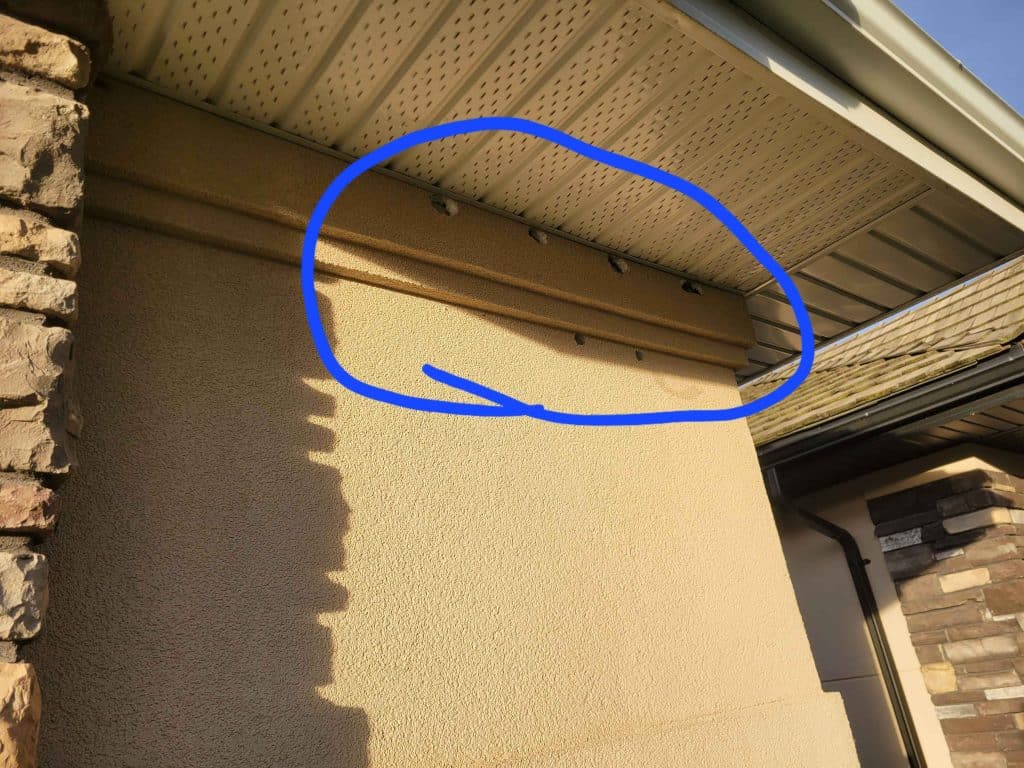
There might be multiple holes and if these damaged areas are left alone, it might even cause water damage, rotting the substrate such as plywood behind the stucco. These holes tend to be relatively easy to fix, which depend on where they are located since these birds are prone to peck holes under the soffit, meaning that the damaged areas are usually are in high places.
If there are multiple holes that are next to each other, we do recommend to apply the finishing to the entire section to revert back it’s aesthetics since the multiple patches next to each other would be unappealing. A couple patches here and there would conceal the damaged areas almost perfectly, however multiple holes would require a complete application of the acrylic finish coating after fixing the holes.
Protective Coatings
There are multiple different protective coatings that offer protection from woodpeckers and stucco eating birds. These coating systems are applied on EPS (Expanded polystyrene) as a basecoat that is embedded in fiberglass mesh. It is very similar to regular EIFS application however, the basecoat has very strong impact resistance, and the skim coat that goes on the basecoat has also offers protection.
The birds cannot peck holes on these coating systems.
We can help with most types of stucco repair services. Contact us today if you have any questions and would like to get a quote.
Why Are Woodpeckers Pecking My Stucco? Understanding Causes and Risks
Woodpeckers target exterior walls for three main behaviors: feeding on insects, creating nesting cavities, and drumming to communicate territory or attract mates. These behaviors are driven by sensory cues—hollow sounds indicating voids, visible insect activity, or soft foam substrate—so understanding motivation helps prioritize inspection and repair. Addressing the immediate holes removes the cue that encourages repeat pecking, while identifying underlying attractants like insects or exposed foam reduces long-term risk. The next subsections explain what draws woodpeckers to stucco surfaces, which stucco types are most vulnerable, and why delaying repair escalates damage and expense
What Attracts Woodpeckers to Stucco Surfaces?
Woodpeckers are attracted to walls that signal an accessible food source, shelter, or resonant surface for drumming. Insect larvae or galleries behind siding or stucco create feeding sites, while hollow or soft spots—especially where foam is exposed—sound resonant and invite investigation. Seasonal behaviors influence activity: nesting season increases cavity excavation, while drumming peaks during courtship and territorial displays. Inspecting for insect frass, probing suspect hollows, and tapping to detect resonance are fast ways to identify zones that need deeper inspection and possible pest control.
Which Types of Stucco Are Most Vulnerable to Woodpecker Damage?
EIFS and foam-backed synthetic stucco rank highest in vulnerability because the soft insulation layer and delicate finishes are easier for birds to penetrate. Traditional cement-based stucco is tougher and resists minor pecking, but seams, flashing areas, and delaminated patches remain weak points. Identifying whether a wall is EIFS or cement-based is crucial for choosing repair materials: foam exposure requires backing and careful moisture-barrier restoration, while cement stucco often needs aggregate-matching patch and retexture. Knowing the substrate guides the repair approach and prevents repeated attacks on unrepaired vulnerabilities.
What Are the Risks of Leaving Woodpecker Damage Unrepaired?
Leaving holes unaddressed creates a path for moisture intrusion, which can saturate insulation, promote mold growth, and accelerate wood rot in adjacent framing. Even small perforations reduce EIFS insulation performance and can lead to large-scale remediation if moisture spreads behind the cladding. Cosmetic decline and reduced curb appeal also lower property value and mask deeper problems that become more expensive to fix over time. Prompt assessment and a staged repair strategy reduce escalation risk and preserve both appearance and building envelope integrity.
How to Assess the Size and Severity of Woodpecker Holes?
Classify holes by size and depth: pinprick/surface nicks, holes under 1 inch, 1–3 inches (moderate), and larger than 3 inches (major). Surface nicks often need only touch-up, while deeper holes may expose foam, insulation, or moisture barrier and require backing before filling. Look for red flags like damp insulation, soft framing when probed, or visible insect galleries that indicate a larger remediation scope. Use this assessment to decide whether DIY patching is sufficient or if professional moisture diagnostics are warranted.
What Materials and Tools Are Needed for Stucco Woodpecker Repair?
Essential tools include putty knives and trowels for application, hardware cloth or backing mesh for larger voids, sanding tools to feather edges, and brushes for cleaning and priming surfaces. Materials vary by the substrate: cement stucco patching compounds and texture additives suit traditional systems, while EIFS repairs may require compatible EIFS patch products, reinforcing mesh, and flexible sealants. Safety gear—dust masks, eye protection, ladders with stabilizers—plus tarps to protect surrounding finishes are integral to a safe, controlled repair operation.

What Is the Step-by-Step Process to Repair Woodpecker Damage in Stucco?
Start by cleaning and removing loose material, then probe the cavity and dry the area; for deep voids, install backing mesh or hardware cloth and secure it to sound substrate. Fill the void with an appropriate backing material—low-expansion spray foam for deep gaps, epoxy or cement-based patch for small holes—then apply a matching texture coat, feathering edges to blend with adjacent finish. Allow proper cure time, prime if required, and paint with exterior-grade coatings to restore weather resistance and color match. Final inspection ensures seams and flashing are sealed to discourage repeat pecking.
- Inspect and size the hole, probe for moisture.
- Clean debris and remove loose stucco fragments.
- Install backing/mesh for large or deep voids.
- Fill with compatible filler, texture, cure, then paint.
How Can You Prevent Woodpeckers from Damaging Stucco? Effective Deterrent Methods
Effective prevention combines short-term deterrents that change bird behavior with long-term proofing and removal of attractants like insect infestations. Short-term measures reduce immediate activity while you repair holes, and long-term systems reinforce vulnerable substrates or eliminate cavities that invite pecking. The subsections below evaluate humane deterrents, explain how proofing systems function, and detail addressing underlying insect attractants that often trigger woodpecker interest.
Intro: The table below compares deterrent approaches by effectiveness, installation complexity, and humane/legal considerations.
Deterrent Type | Effectiveness | Installation Complexity |
Visual deterrents (reflective tape, streamers) | Short-term moderate | Very low |
Physical barriers (netting, hardware cloth) | High long-term | Moderate to high |
Proofing systems (reinforced EIFS-style) | Very high long-term | High; retrofit complexity |
Summary: Short-term visual deterrents offer quick relief but commonly require rotation to avoid habituation, while physical barriers and proofing deliver reliable long-term protection when installed correctly.
How Do Long-Term Woodpecker Proofing Systems Like EIFS Armour Work?
Long-term proofing systems reinforce the exterior layers, replacing or covering vulnerable foam substrates with durable coverings and reinforced meshes that deny birds access and remove resonant cavities. These systems function by creating a tougher outer layer and restoring or protecting the moisture barrier, thereby addressing both the symptom and the structural vulnerability. While the initial cost and retrofit complexity are higher than patching, proofing significantly reduces repeat repairs and provides better long-term ROI for frequently targeted properties.
How to Address Underlying Attractants Like Insect Infestations?
Removing the food source is critical: inspect for insect galleries, frass, or soft rot in adjacent wood and engage pest control when evidence suggests active infestation. Treating the infestation removes the incentive for feeding and can be coordinated with repair work to ensure that filling holes does not trap pests inside. Regular exterior maintenance—sealing gaps, replacing decayed trim, and ensuring proper flashing—reduces insect habitat and, in turn, makes walls less attractive to woodpeckers.
- Common signs that indicate insect presence: Small piles of frass or sawdust near holes.Soft or deteriorated trim adjacent to stucco.Repeated pecking clustered in one area.
After addressing insect attractants and applying deterrents, monitor treated areas to confirm bird avoidance and ensure repairs hold during seasonal changes.
What Can You Expect from a Professional Stucco Repair Service?
A typical professional workflow begins with a careful inspection of substrate and moisture conditions, followed by a written scope and quote detailing materials, texture matching approach, timeline, and any warranty. Repairs usually include removal of compromised materials, substrate remediation or reinforcement, expert application of compatible patches and textures, and final painting to match adjacent finishes. When comparing bids, request explicit details about substrate testing, moisture mitigation, and color matching provisions so you can compare apples to apples.
- Commercial note: For homeowners deciding between DIY and a contracted service, some providers offer EIFS-specific proofing and guarantee programs, while local parging or handyman services can handle small cement stucco patches depending on experience.
When in doubt, prioritize professional inspection when moisture or EIFS is involved; a short diagnostic visit can prevent larger remediation costs later.
What Are Average Professional Repair Costs and Long-Term Savings?
Professional small repairs typically start around the low hundreds per hole and escalate with accessibility, color/texture matching complexity, and the need for moisture remediation. Major EIFS repairs or proofing system installations can cost thousands, but they substantially lower the probability of recurrent damage and repeated patching costs over the years. When evaluating long-term savings, consider frequency of past damage: if pecking is recurrent, investment in proofing often yields better value than multiple small repairs.
OUR SUPPLIERS
Every project is unique and requires a different approach. Working with variety of suppliers and manufacturers ensure that we deliver the best results.