Cost Effective and High Quality
EIFS - ACRYLIC STUCCO REPAIRS
Residential - Commercial
GET A FREE ESTIMATE

Exterior Insulation and Finish Systems and Acrylic Stucco Repairs
Solida Coatings has been helping homeowners, builders, contractors, developers and property managers throughout Western Canada for many years with EIFS (Exterior insulation and finish systems) repairs. It is our mission to provide best results for your building’s exterior cladding system. We offer our services for various stucco repair projects.
Exterior insulation and finish systems commonly known as EIFS is the latest stucco cladding system that has been the most popular system in Alberta for the last +15 years. EIFS is an engineered cladding that combines insulation board with a reinforced base coat and textured finish to deliver thermal performance and design flexibility. Originated in Germany, EIFS consists of multiple layers;
- Fluid applied air and moisture barrier membrane
- EPS (Expanded polystyrene) foam install
- Basecoat application embedded in fiberglass mesh
- Skim coat application
- Primer application
- Acrylic finish coat application
EIFS offers variety of advantages compared to other cladding systems, it boasts benefits such as;
- Cheaper cost of construction than brick and stone
- Energy efficiency and better R-value due to thick insulation
- Better design flexibility and shaping options
EIFS is perfectly complied with building codes and offers modern aesthetics combined with major benefits to attract increase in property value and energy savings.
Solida Coatings is a stucco contractor offering exterior coating services for both residential and commercial properties. Solida Coatings takes on any size and kind of repair project with ease, using only top quality materials from reputable suppliers which helps provide better results for your project. Solida Coatings offers free estimates for stucco repair projects.

EIFS and Acrylic Stucco Repairs
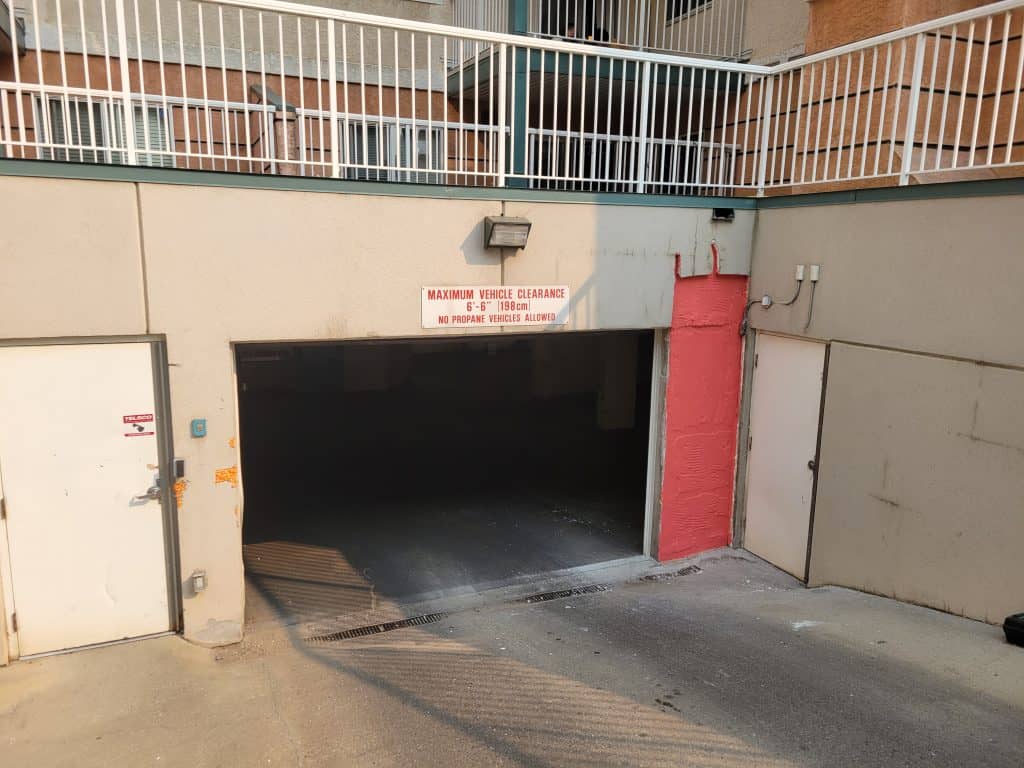
EIFS is indefectible when it comes to color protection; UV rays, dirt and water cannot cause color deformation for decades if it’s applied properly. Damages tend to happen due to; physical damage, stucco-eating birds, improper waterproofing on the substrate and weak adhesive usage on EPS foams.
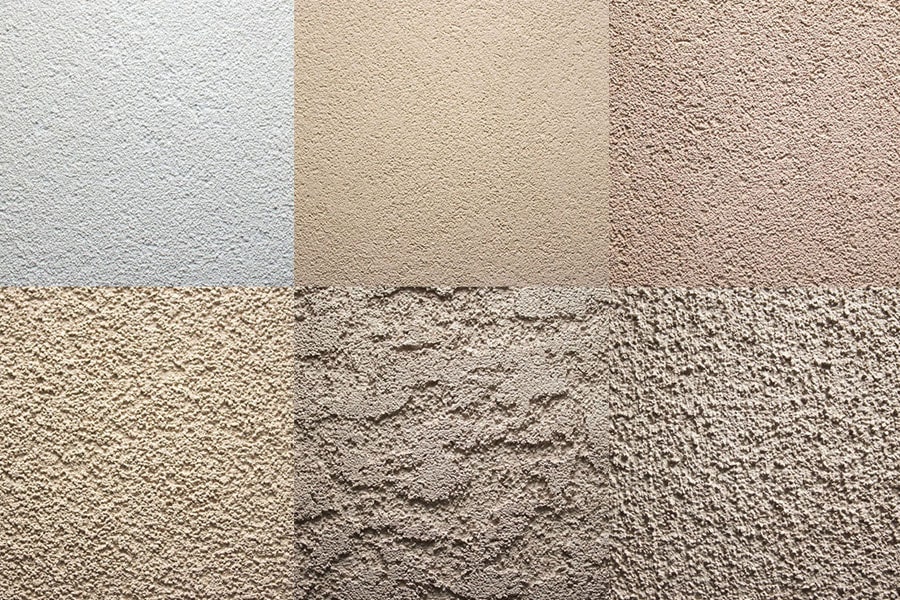
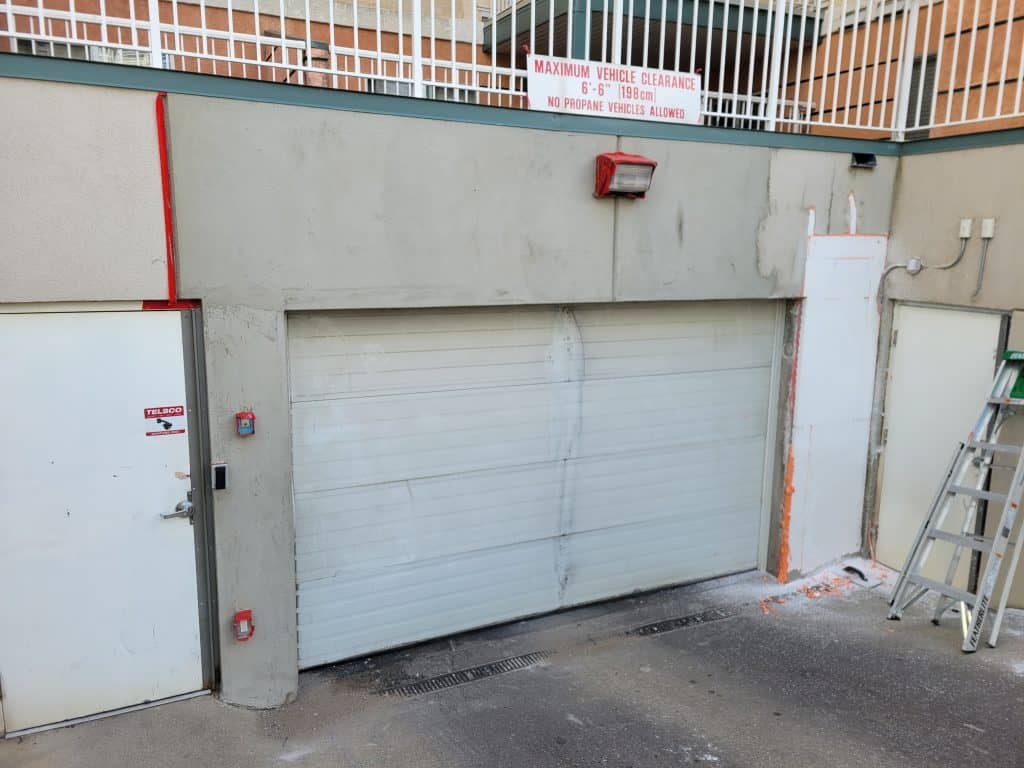
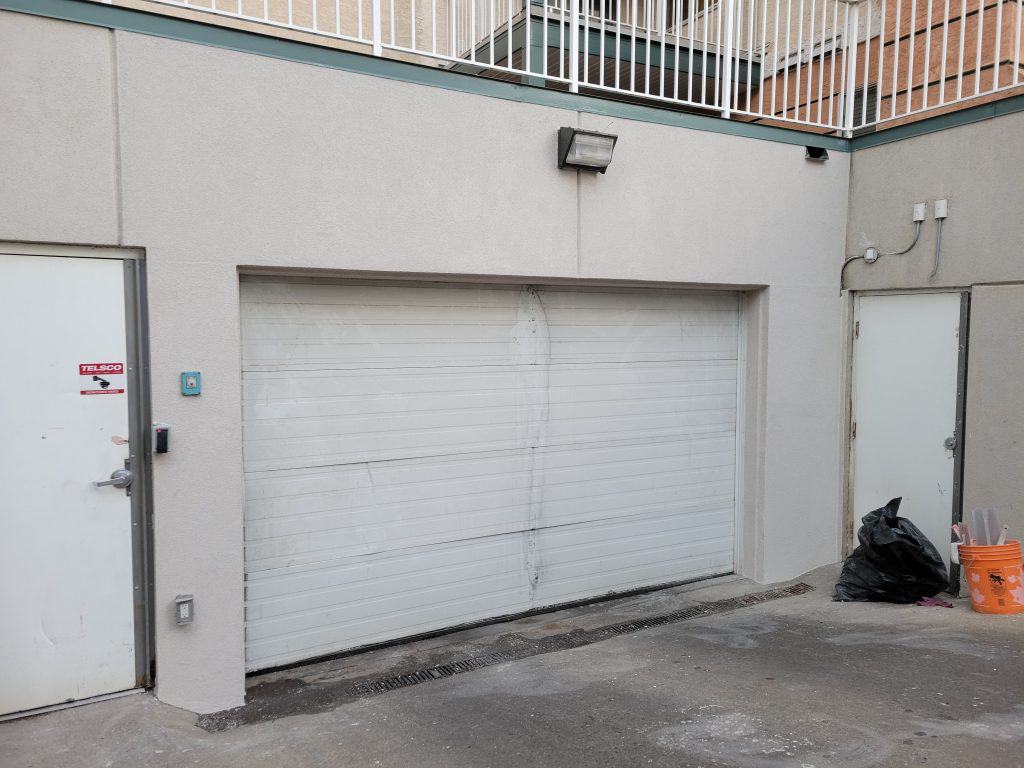
We recommend to apply acrylic finishing to the entire section where the damaged areas are since the EIFS has finishing texture that consists of coarse acrylic texture that contains tiny pebbles (little bigger than sand) which would be visible if it’s fixed on the damaged areas only. It would be fine for damages caused by stucco-eating birds or small area fixes, however in the case of blistering of the wall or such, we recommend to apply the last coating of the EIFS system to the entire section, meaning corner to corner or reveal to reveal so that the entire section would look brand new.
We can help with most types of stucco repair services. Contact us today if you have any questions and would like to get a quote.
What Are the Common Types of EIFS Damage and Their Causes?
EIFS damage generally manifests as surface cracks, moisture intrusion, impact punctures, and delamination; each failure mode stems from distinct mechanisms that compromise the cladding or underlying substrate. Understanding the root cause lets you choose the right remediation path and prevents wasted repairs that merely mask symptoms. Early detection guards insulation performance and prevents secondary damage like mold and wood rot, so owners should prioritize simple diagnostic checks and monitor suspect areas. The next subsections define how cracks form, how to recognize water damage, how impact affects EIFS, and what delamination indicates so you can triage repairs correctly.
This section lists the major EIFS damage types and their common sources:
- Hairline cracks and shrinkage fissures caused by thermal cycling and imperfect curing.
- Water intrusion and saturation from flashing failures, improper drainage, or barrier breaches.
- Impact punctures from hail, equipment, or mechanical contact that create entry points.
- Delamination where base or finish separates from insulation or substrate due to adhesion failure.
These categories guide inspection priorities and establish whether a repair is cosmetic, requires substrate access, or mandates full-panel replacement.
Common EIFS Problems: Mechanical Damage, Cracking, Design, and Construction Deficiencies The four main problems areas with EIFS were 1 mechanical damage, 2 system cracking, 3 design issues, 4 construction deficiencies. It was found that most problems with EIFS were minor, and that all problems could be either prevented or corrected by relatively simple maintenance and repair procedures. Exterior Insulation and Finish Systems (EIFS) on US Army Facilities: Lessons Learned, 1990
How Do Cracks Develop in EIFS and How Can They Be Identified?
Cracks in EIFS arise from thermal movement, differential substrate deflection, improper mix/application, or localized impact; the mechanism determines whether a crack is cosmetic or structural. Inspectors should differentiate hairline shrinkage cracks under 1/16″ from widening cracks that track to control joints or penetrate the base coat into the mesh layer. Use a simple ruler and photo-log to measure width and map progression over weeks; a marked reference point shows active movement. Probing along the crack edge with a blunt tool can reveal mesh exposure or voids, while noting nearby joints, windows, and corners helps locate likely movement sources. Identifying the crack type informs whether patching with mesh and base coat suffices or if substrate repairs are required.
What Are the Signs and Effects of EIFS Water Damage?
EIFS water damage commonly presents as staining, efflorescence, soft or deteriorated substrate, mold growth, or interior staining where moisture has progressed inward; these visible clues point to moisture intrusion with potential structural consequences. Non-invasive testing with a calibrated moisture meter helps map wet zones; where readings are elevated, invasive probes or core samples confirm moisture in insulation or sheathing. Left untreated, water intrusion promotes wood rot, corrosion of fasteners, and long-term loss of insulation R-value, increasing energy costs. Immediate actions include stopping the moisture source, documenting damage, and prioritizing sections for invasive inspection to determine necessary insulation or substrate replacement.
How Does Impact Damage Affect EIFS and What Are Typical Causes?
Impact damage to EIFS ranges from small punctures to large holes that breach the finish and base coat, exposing insulation board and allowing moisture entry; common causes include hail, lawn equipment, delivery impacts, and accidental construction contact. Assessing impact scope entails measuring hole diameter, checking for crushed insulation, and determining whether the fiberglass mesh and base coat remain bonded. Cosmetic repairs can cover small punctures with patching systems, but larger or multiple impacts often require panel removal and replacement of EPS board and full reapplication of the base and finish. Early sealing prevents moisture-driven deterioration and reduces the likelihood of needing broader remediation.
What Is EIFS Delamination and How Does It Impact Wall Integrity?
Delamination occurs when layers of the EIFS—typically the finish or base coat—separate from the insulation board or substrate, often due to poor adhesion, contamination at installation, or long-term moisture exposure that undermines bonding. Tapping the surface and listening for hollow sounds, combined with limited core sampling, helps confirm delamination extent and source; adhesive failure at the foam-to-substrate interface usually necessitates replacement of the insulation panel. Delamination compromises the continuous thermal barrier, increases moisture vulnerability, and accelerates finish deterioration, making timely corrective action essential to preserve wall performance and appearance.
How to Repair EIFS Cracks: Step-by-Step Methods and Materials
EIFS crack repair follows a defined workflow: inspect and classify the crack, prepare and clean the area, embed appropriate mesh in a compatible base coat, feather and texture the finish, and seal control joints to restore continuity. The repair process restores adhesion and elasticity, preventing water entry and reappearance of the defect when performed per manufacturer guidance. Weather, curing time, and matching texture and color are critical to durability and aesthetics. Below is a concise, actionable repair sequence followed by tools and materials guidance to prepare for a durable repair.
The numbered repair workflow provides a quick reference for onsite repairs:
- Inspect and document crack width, length, and nearby control joints or penetrations.
- Clean and dry the area; remove loose material until a stable edge is reached.
- Apply primer if required, then embed fiberglass mesh with base coat and smooth to proper thickness.
- Allow base coat to cure, then apply finish coat and texture-match; seal adjacent joints with EIFS-approved flexible sealant.
Each step reduces the risk of recurring cracks by addressing underlying adhesion and movement tolerance.
What Tools and Materials Are Needed for EIFS Crack Repair?
Essential tools include stainless-steel trowels, mixing paddle, hawk, mesh scissors, and a moisture meter for pre-checks; optional power mixers speed base coat preparation for larger jobs. Materials include compatible base coat compounds, alkali-resistant fiberglass mesh, EIFS finish coats matched to texture and color, and EIFS-approved flexible sealants for joints. Use the semantic triple: EIFS repair kit → contains → base coat, mesh, finish as a concise guide to required components. Quantities depend on crack length and depth; small DIY repairs need only a few square feet of mesh and a pint to quart of base coat per typical hairline repair, while professional jobs require larger volumes and scaffolding considerations.
How to Prepare EIFS Surfaces Before Repairing Cracks?
Preparation requires cleaning debris, removing delaminated finish, and ensuring the substrate and EPS are dry and stable; moisture thresholds should be measured with a moisture meter before applying materials. Mechanical removal of loose material to a sound feather edge ensures proper adhesion; contaminated surfaces from paint, oils, or efflorescence must be cleaned with manufacturer-approved cleaners. If insulation is saturated or substrate shows rot, invasive removal to the sheathing is necessary prior to repair; otherwise, priming and controlled drying allow successful patching. Proper preparation prevents adhesion failures that often cause repeat defects.
What Are the Best Practices for Applying Base Coat, Mesh, and Finish Coat?
Embed fiberglass mesh fully into a wet base coat, avoiding wrinkles, maintain recommended mesh overlaps (typically 2–3 inches), and control base coat thickness to manufacturer tolerances for consistent performance. Feather the base coat beyond the repair area to avoid edge ridges that telegraph through the finish; use consistent embedment pressure and remove excess base coat to leave only the mesh-reinforced plane. Allow full cure per product instructions and match finish texture using the correct aggregates and application tools to blend visually. Quality checks include adhesion tests at the patch edge and inspection for pinholes or voids before sealing joints.
How to Seal and Finish EIFS Repairs for Long-Lasting Results?
Select EIFS-approved flexible sealants with demonstrated compatibility, elasticity, and adhesion to finish coats; standard acrylic caulks typically fail due to incompatibility with textured finishes and movement demands. Detail perimeter joints and penetrations using backer rod where needed, tooling seals to a smooth profile and maintaining recommended joint widths for movement accommodation. After curing, apply stain-resistant coatings only if approved by the system manufacturer to avoid trapping moisture or altering substrate permeability. Proper sealing and finish matching ensure repairs are both durable and visually discreet for long-term performance
What Are the Costs Involved in EIFS Repair and How Are They Determined?
EIFS repair costs depend on damage type, access difficulty, substrate or insulation replacement needs, finish matching complexity, and contractor qualifications; small cosmetic repairs are inexpensive, while water intrusion remediation that requires insulation and sheathing replacement is costly. Cost drivers include labor intensity (scaffolding, access), diagnostic testing (moisture mapping, core sampling), materials (professional-grade base coats and finish), and overhead for certified applicators who provide manufacturer-aligned warranties. Understanding line-item costs and asking for itemized bids helps avoid surprises. The following table compares typical repair scenarios by cost range, labor intensity, and time-to-complete to help homeowners budget.
Repair Type | Typical Cost Range | Labor Intensity |
Hairline crack patch | $300–$1000 | Low: single-tech patch |
Localized patch with mesh | $300–$2000 | Moderate: prep + finish match |
Water intrusion rebuild | $1500–$7500 | High: invasive removal, dry-in |
Full-panel replacement | $1500–$10000+ | Very high: insulation and sheathing |
How Do Repair Costs Vary by Damage Type and Repair Complexity?
Cosmetic hairline repairs typically cost little and require minimal materials and time, while repairs involving EPS replacement or sheathing remediation multiply labor and materials costs substantially. Hidden moisture and mold multiply costs because invasive removal, drying equipment, mold remediation, and replacement materials are needed. Example cost escalation follows a clear pattern: patch < localized mesh repair < panel removal and replace < full wall remediation. Knowing likely escalation points helps owners request appropriate moisture diagnostics in initial bids to avoid underpriced proposals that later balloon.
What Factors Influence the Price of Hiring EIFS Repair Contractors?
Contractor pricing reflects certification, manufacturer training, warranty offerings, local labor rates, insurance, and experience with texture and color matching; certified applicators often charge premiums that offset warranty protection and installation quality. Additional factors include access (scaffolding or lifts), project scheduling in peak seasons, and necessity of specialized testing or building-science oversight. Requesting manufacturer compliance documentation and sample warranties clarifies the value proposition behind higher bids and helps compare true apples-to-apples offers.
When Should You Hire Professional EIFS Repair Contractors vs. DIY
Hire professionals for any suspected moisture intrusion, delamination, large-area damage, or when warranties and manufacturer compliance matter; DIY is reasonable only for small, cosmetic hairline repairs on dry, stable EIFS. Professional contractors bring manufacturer training, access to system-specific materials, and the ability to perform moisture mapping and invasive diagnostics. Understanding contractor qualifications and evaluation steps reduces risk of short-lived repairs. The following bullets offer quick decision criteria and a contractor vetting checklist.
- Hire a professional if moisture, delamination, or substrate damage is suspected.
- Consider DIY only for isolated hairline cracks on dry, stable panels.
- Hire a certified applicator when warranty preservation or full-panel work is required.
What Qualifications and Experience Should EIFS Repair Contractors Have?
Qualified contractors should have manufacturer certification, documented project portfolios showing texture and color matching, proof of insurance and bonding, and references for similar work; these qualifications correspond to better outcomes and longer-lasting repairs. Verify training with manufacturers and confirm warranties are honored through the applicator; lack of certification is a red flag for complex repairs. Ask for sample warranty documents and evidence of prior projects with similar scope to evaluate competence.
What Are the Risks of DIY EIFS Repairs and When Is Professional Help Necessary?
DIY risks include masking hidden moisture, improperly matching finish texture and color, creating adhesion failures, and voiding system warranties; these outcomes often lead to greater cost and reduced cladding lifespan. Professional help is necessary when diagnostics suggest moisture in insulation, when delamination is present, or when work involves flashing, windows, or through-wall penetrations that affect the building envelope. Starting with a diagnostic moisture scan reduces the chance of misdiagnosis and inappropriate DIY fixes.
How to Maintain EIFS to Prevent Damage and Extend Its Lifespan?
Routine maintenance extends EIFS service life by preserving seals, managing water shedding, and catching minor defects before they escalate; proactive maintenance preserves insulation performance and prevents costly remediation. Biannual inspections, targeted cleaning, joint resealing, and vigilance over flashings and landscape grading form the backbone of a preventive program. Below are inspection intervals, cleaning and sealing practices, drainage and flashing checks, and prioritized maintenance tasks to plan for long-term performance.
Common maintenance tasks that prevent costly repairs:
- Inspect joints, sealants, flashings, and visible cracks twice yearly.
- Clean gently using low-pressure wash and manufacturer-approved cleaners.
- Replace degraded sealants and monitor interior moisture indications promptly.
Applying these measures reduces the chance that small surface issues will evolve into moisture-driven failures.
How Often Should EIFS Inspections Be Conducted and What Do They Include?
Inspect EIFS twice yearly—ideally in spring and fall—to catch freeze-thaw effects and summer humidity impacts; inspections should document sealant conditions, visible cracks, flashing integrity, drainage paths, and any staining or biological growth. Use a photo-log and simple moisture spot checks around suspect areas to record baseline conditions and detect progression. Call a professional for elevated moisture readings, visible delamination, or recurring stains that indicate active intrusion.

What Cleaning and Sealing Practices Protect EIFS from Moisture and Cracks?
Use low-pressure washing and manufacturer-recommended detergents to remove dirt and biological growth without damaging the finish; avoid aggressive pressure washing that can erode textured coats. Inspect and replace sealants at control joints and perimeters on a 5–10 year cycle or sooner if cracking appears; always use EIFS-approved flexible sealants to maintain movement accommodation and adhesion. Proper cleaning and sealing preserve finishes and reduce the need for frequent repairs.
How Does Proper Drainage and Flashing Prevent EIFS Water Damage?
Flashing, window and door details, roof-wall intersections, and landscape grading control where water travels; correctly integrated flashings and positive grading direct moisture away from the EIFS plane. Inspect flashings for gaps, improper termination, and sealant failures; ensure window sills and roof edges incorporate flashing details that step water past the EIFS and not behind it. Good drainage and flashing dramatically reduce the likelihood of moisture intrusion and associated remediation costs.
What Are the Best Maintenance Tips for Long-Term EIFS Performance?
Prioritize a schedule that includes biannual inspections, timely resealing of joints, gentle cleaning, and immediate investigation of any staining or suspected moisture; maintain records of inspections and repairs to support warranty claims. Plan for recoat or professional review at major finish degradation milestones to refresh protective properties and color consistency. Budgeting for routine maintenance typically prevents far more costly corrective work and prolongs the cladding’s service life.
What Are the Best Materials and Products for Effective EIFS Repair?
Effective EIFS repair relies on four material categories: EPS insulation board, alkali-resistant fiberglass mesh, compatible polymer-modified base coats, and EIFS-approved flexible sealants; selection depends on whether work is DIY or professional-scale. Product choice centers on compatibility with the existing system, movement accommodation, and finish matching for UV stability and colorfastness. The table below compares repair product categories by durability, use-case, and pros/cons to help specify appropriate materials for each repair scenario.
Product Category | Key Attribute | Best Use-Case |
Base coat compounds | Adhesion & flexibility | Embedding mesh and leveling |
Fiberglass mesh | Tensile strength | Reinforcement over cracks |
Finish coat systems | UV stability & texture | Final appearance & protection |
EIFS-approved sealants | Elasticity & compatibility | Joints and penetrations |
How Do Fiberglass Mesh and Base Coats Reinforce EIFS Repairs?
Fiberglass mesh provides tensile reinforcement across repaired areas and distributes stresses, while the base coat bonds mesh to the insulation and forms a durable substrate for finishes. Proper embedment fully saturates mesh and removes air pockets; overlaps create continuous reinforcement across panels. Mesh type, weave density, and alkali resistance affect performance, and base coat formulation influences adhesion and flexibility—select components rated for EIFS use to ensure long-term integrity
Why Are EIFS-Approved Flexible Sealants Critical for Repair Success?
EIFS-approved flexible sealants accommodate expected thermal and structural movement while maintaining adhesion to textured finishes; non-approved sealants often crack, delaminate, or fail adhesive bonds over time. Required sealant properties include high elongation, UV resistance, and chemical compatibility with polymer finishes. Test adhesion on a small patch when in doubt and follow manufacturer-recommended joint widths and backer rod use for reliable long-term performance.
What Are the Most Frequently Asked Questions About EIFS Repair?
This FAQ section provides concise, direct answers to common People Also Ask queries so readers can find immediate guidance and then follow links in the article for deeper procedures and checklists. Responses prioritize source-first diagnostics, whether DIY options are reasonable, expected lifespan after proper repairs, root causes of cracking, and how to address flashing and drainage failures. Use these answers as quick reference points before implementing inspection or repair actions.
- How Do You Repair EIFS Water Damage Effectively?: Diagnose the moisture source first, perform invasive removal where necessary, dry the substrate, replace saturated insulation, and reinstall EIFS per manufacturer procedures.
- Can You Patch EIFS with Stucco Patch or DIY Kits?: Use EIFS-specific materials; traditional stucco often lacks flexibility and adhesion characteristics needed for EIFS and can cause failures.
- How Long Does EIFS Last After Proper Repair and Maintenance?: With correct repairs, maintenance, and flashing, EIFS can last decades; regular maintenance and addressing moisture promptly extend useful life significantly.
How Do You Repair EIFS Water Damage Effectively?
Repair begins with locating the moisture source using moisture mapping and core sampling; remove damaged EIFS and any compromised insulation or sheathing, dry assemblies completely, treat or replace mold-affected materials, and rebuild the EIFS system using compatible materials. Prioritize fixing flashing, drainage, or penetration details to prevent recurrence. Professional involvement is essential when moisture affects EPS or sheathing to ensure full remediation and warranty preservation
How Long Does EIFS Last After Proper Repair and Maintenance?
Properly installed and maintained EIFS can perform well for two decades or more, with life expectancy influenced by climate, flashing quality, and maintenance frequency. Regular inspections, timely resealing, and attention to drainage extend performance and delay the need for full system replacement. Long-term performance depends more on correct detail execution and moisture control than on finish color or texture.
What Causes EIFS to Crack and How Can It Be Prevented?
Cracks stem from thermal cycling, substrate deflection, poor installation practices, and inadequate control joints; prevention includes proper substrate preparation, correct placement of control joints, and using flexible base coats with adequate mesh reinforcement. Periodic inspections and early minor repairs also reduce the likelihood of larger failures. Addressing movement sources—such as structural framing or window attachments—prevents recurring cracking.
How Do You Fix Flashing Failures and Drainage Issues in EIFS?
Fixing flashing failures requires diagnosing termination points, ensuring step flashing at roof-wall intersections, and properly integrating windows and penetrations with through-wall flashing where needed; often this entails removing finish to access and replace flashings or install additional drainage layers. Repair strategies include re-terminating flashings, installing proper back-returns, and ensuring grading directs water away from walls. Professional evaluation is recommended for complex or concealed failures.
Repair Focus | Diagnostic Step | Typical Repair Action |
Flashing failure | Visual + invasive check | Replace or re-terminate flashing |
Drainage issue | Grade and landscape review | Regrade and add drainage paths |
Hidden intrusion | Moisture mapping + cores | Remove affected EIFS and dry-in |
Request Your Free EIFS and Stucco Repair Estimate
Every project is unique and requires a different approach. Working with variety of suppliers and manufacturers ensure that we deliver the best results.