
Cost Effective and High Quality
SHERWOOD PARK
STUCCO REPAIR SERVICES
Residential - Commercial
GET A FREE ESTIMATE
EIFS Repairs
Stucco Repairs
Professional Stucco Repairs in Sherwood Park
Solida Coatings has been helping homeowners, builders, contractors, developers and property managers throughout Sherwood Park and surrounding areas for over 14 years with stucco repair projects. It is our mission to provide best results for your building’s exterior cladding system.
Solida Coatings is a stucco contractor offering exterior coating services for both residential and commercial properties. Solida Coatings takes on any size and kind of repair project with ease, using only use top quality materials from reputable suppliers which helps provide better results for your project. Solida Coatings offers free estimates for stucco repair projects in Sherwood Park and surrounding areas.
Stucco Repair Services
Due to external factors or negligence while installing, stucco might have problems that require repairs. Solida Coatings can easily solve your stucco related problems. Whether it’s water leakage, damaged walls or color fades, we’ll be more than happy to provide you with the best results. We offer the following stucco repair services;
- EIFS Repairs
- Cement Stucco Repairs
- Water Leakage & Moisture Damage Repairs
- Crack Repairs
- Blistering and Bubbling Repairs
- Woodpecker Damage Repairs
If the damage is too serious for a stucco repair service, it is highly recommendable to go with stucco retrofitting. Retrofitting will not only get rid of the existing issues, it will also provide your building’s exterior with a fresh stucco application with all the benefits. Additionally, retrofitting is an convenient and affordable way for buildings to have a fresh look while gaining extra protection and visual appeal. Contact us today for your free estimate today.

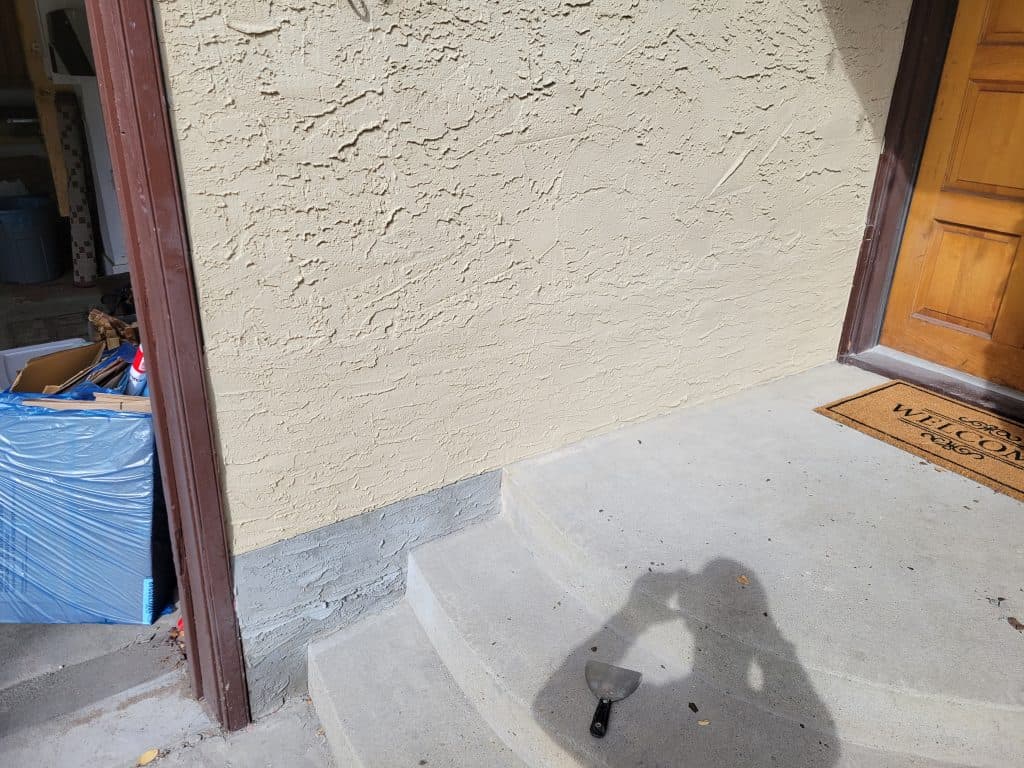
What Are the Common Types of Stucco Damage in Sherwood Park?
Common stucco damage in Sherwood Park reflects local climate and common installation faults, and homeowners should be able to identify cosmetic issues versus water-intrusion risks. Cracks, water staining, blistering, delamination, and impact or woodpecker damage are frequent, each with distinct causes and urgency levels. Recognizing these damage types early prevents substrate rot and insulation compromise, because visible finish failures often signal deeper sheathing or drainage plane problems. Below is a practical list of typical damage types with quick cause indicators and severity cues to help prioritize repair decisions.
- Surface hairline cracks: Fine linear lines caused by shrinkage or thermal movement; usually cosmetic but should be monitored.
- Large or stair-step cracks: Wider cracks near corners or openings indicating settlement or substrate movement and higher risk of water entry.
- Blistering/bubbling: Raised pockets in the finish commonly caused by trapped moisture or adhesion failure; often points to hidden moisture.
- Staining and efflorescence: White mineral deposits and brown stains indicating chronic moisture migration through the assembly.
- Delamination and fall-off: Sections of finish separating from lath or substrate, often requiring removal and reattachment or replacement.
These damage categories help prioritize intervention: hairline cracks may allow DIY monitoring, whereas blistering, staining, or delamination frequently require professional diagnosis to prevent building envelope failure. Understanding these signs leads directly to targeted repair options and the next step of diagnosing crack mechanisms.
How Do Stucco Cracks Develop and How Are They Repaired?
Stucco cracks develop from a combination of substrate movement, thermal cycling, improper mix ratios, or failure in the lath or anchorage; identifying the crack type determines repair method and longevity. Hairline cracks typically result from shrinkage and can be sealed with flexible elastomeric caulks or surface patching and texture match, whereas wider cracks over 1/8″ often require cutting out, stitching, or replacing compromised lath and base coats. Structural or stair-step cracks near windows and corners suggest foundation or framing movement and should prompt further investigation for settlement or framing issues. Repair steps commonly include cleaning the crack, removing loose material, installing reinforcing mesh where needed, applying a compatible base coat, and finishing with texture and color match to restore both appearance and weather resistance. Recognizing the underlying mechanism — movement versus surface shrinkage — prevents repeated failures and informs whether a professional is needed for substrate repairs.
What Causes Water Damage and Blistering in Stucco?
Water damage and blistering arise when moisture enters the cladding assembly or when trapped moisture cannot escape, and these failures often trace to compromised flashings, damaged sealants, poor drainage, or EIFS drainage plane issues. Symptoms include soft spots behind the finish, staining, peeling paint, and localized blistering that worsens after freeze-thaw cycles; these indicate moisture retention that can rot sheathing and insulation if left untreated. Remediation begins with finding and stopping the water entry point — repairing flashings, replacing failed sealants, correcting grading, and ensuring gutters and downspouts divert water away from the wall. In EIFS systems, moisture testing and inspection of the drainage/adhesion plane often precede targeted repairs because hidden insulation layers can hold water and require controlled removal and replacement. Early detection and correct remediation preserve the building envelope and reduce the scope and cost of long-term repairs.
How Much Does Stucco Repair Cost in Sherwood Park?
Cost estimates for stucco repair in Sherwood Park vary by repair type, access, and whether underlying substrate work is required; below is a concise cost overview to set realistic expectations for 2025. Minor crack repairs and localized patch-and-paint jobs represent the lowest-cost work, while EIFS repairs and full restorations with sheathing replacement are at the high end due to diagnostic testing and reinstallation of drainage layers. Labor is often the largest single cost driver because skilled surface matching, scaffolding, and curing time require experienced crews. The table below compares typical repair scopes and local price ranges to help homeowners estimate budgets and plan for inspections.
Repair Scope | Typical Components | Approximate 2025 Price Range (CAD) |
Minor crack repair | Clean, seal, texture, paint touch-up | $150–$600 per location |
Patch & paint (small areas) | Remove, rebuild base/finish, color match | $600–$2,000 per area |
EIFS section repair | Moisture testing, remove failed layer, reinstall drainage + finish | $1,200–$6,000+ per section |
Full restoration | Remove finish, repair sheathing, re-lath, new finish coat | $8,000–$30,000+ whole-wall projects |
These ranges reflect common local scenarios; actual quotes depend on access, scaffolding needs, color matching, and whether substrate or insulation repair is necessary. Understanding these brackets helps homeowners decide when to schedule an inspection and what financial contingency to expect.
What Factors Affect Stucco Repair Pricing?
Several variables drive the final quote for stucco repair: damage extent, stucco system type (EIFS vs traditional cement), site access, and required scaffolding or permits. Extent of damage is primary — isolated hairline cracks are inexpensive, while widespread delamination or moisture-damaged sheathing increases labor, materials, and inspection costs. EIFS repairs frequently require moisture testing and careful removal of layers to avoid hidden damage, which raises diagnostic and labor charges compared with simple cement stucco patching. Color and texture matching add cost when custom pigments or finish textures are needed, and scaffold rental or insurance-related documentation can add to short-term project expenses. Recognizing these cost drivers helps homeowners provide accurate information during estimates and compare like-for-like quotes.
- Extent of damage: Larger areas require more labor, materials, and possibly sheathing replacement.
- Stucco system type: EIFS typically costs more due to moisture testing and drainage plane reinstallation.
- Access and scaffolding: Multi-storey work or tight access increases equipment and labor charges.
- Color/texture matching: Custom finishes and multiple coats add material and labor time.
- Hidden repairs: Discovery of rotten sheathing or insulation significantly increases scope and cost.
These factors explain why two quotes can vary; when gathering estimates, providing photos and a history of past repairs reduces uncertainty and improves quote accuracy.
Where Can I Get Free Stucco Repair Estimates in Sherwood Park?
Free estimates commonly come as onsite inspections, virtual assessments from photos and video, or aggregator-based initial quotes, each with pros and cons for accuracy and convenience. Onsite inspections allow contractors to test moisture, inspect flashings and sheathing, and produce the most accurate quote, while virtual estimates are faster but can miss hidden substrate issues that later increase cost. When requesting a free estimate, prepare clear photos of damage, note when issues began, and record recent maintenance or siding history; this information helps contractors scope the job more precisely. Aggregator platforms can provide a range of local providers for comparison, but homeowners should ensure virtual estimates include a caveat for possible additional work after in-person inspection.
- Onsite inspection: Most accurate; includes moisture testing and substrate checks.
- Virtual estimate: Convenient initial scope; may underestimate hidden defects.
- Aggregator listing: Quick comparisons; verify provider credentials and request written scope.
A good free estimate should include a written scope, line-item costs for materials and labor, and an outline of warranty or follow-up services; this documentation reduces surprises and supports fair contractor comparison.
For homeowners ready to act, request a free local estimate or schedule a focused inspection with a qualified technician to obtain a tailored quote and diagnostic report that reflects Sherwood Park conditions.
What Are the Different Stucco Types and Their Repair Methods?
Stucco systems fall into three primary categories—EIFS, traditional cement stucco, and parging—and each requires distinct diagnostic and repair approaches because of their layered construction and failure modes. EIFS involves insulation, adhesive or mechanical attachment, reinforcing mesh, and a finish coat and is prone to hidden moisture and drainage plane failures; cement stucco uses lath, base coats, and finish coats and often fails due to lath corrosion, improper mixes, or substrate movement; parging is a thin mortar coating over masonry or concrete and typically needs localized patching for chip-off or freeze-thaw damage. The table below summarizes typical repair methods and expected timeframes to clarify differences and help homeowners choose appropriate interventions.
Stucco System | Typical Repair Method | Typical Timeframe |
EIFS | Moisture assessment, remove failed area, install drainage plane, reapply insulation/mesh/finish | Days to weeks depending on testing |
Cement stucco | Remove delaminated finish, repair/replace lath and sheathing, apply base and finish coats | Several days to 2+ weeks for curing |
Parging | Clean area, reapply bonding coat, trowel parge, cure and paint | 1–5 days depending on extent |
How Is EIFS Stucco Repaired in Sherwood Park?
EIFS repair begins with moisture diagnostics because hidden insulation and adhesive layers can trap water and lead to ongoing deterioration; accurate moisture mapping guides repair scope. Typical EIFS remediation includes removing the failed finish and insulation sections, repairing or reinstalling a proper drainage plane, replacing insulation boards and mesh, and finishing with a compatible acrylic finish and color match. Because EIFS components are layered and often include manufacturer warranties, professional evaluation commonly includes nondestructive moisture testing followed by selective removal to preserve undamaged assembly where possible. Timelines extend when testing and staged drying are required, and costs increase when widespread drainage plane replacement or sheathing repair is needed due to concealed moisture damage.
What Are the Best Practices for Traditional Cement Stucco Repair?
Best practices for cement stucco emphasize substrate preparation, correct lath replacement, proper base coat mixing and curing, and careful texture and color matching to blend repairs seamlessly with existing finishes. Repair steps generally involve removing loose or delaminated material, inspecting and repairing sheathing and lath, installing reinforcing mesh across repaired areas, applying a compatible base coat with correct cement-to-sand ratios and adequate curing times, and finishing with texture application and paint or sealer as needed. Quality indicators include tight adherence to curing windows, consistent compaction and bonding tests, and visible integration of reinforcing mesh to prevent future cracking. Following these methods reduces risk of recurrent cracks and improves longevity in Sherwood Park’s freeze-thaw environment.
How Do I Choose the Right Stucco Contractor in Sherwood Park?
Selecting a contractor requires verifying credentials, local experience with Alberta weather, and clear warranty and estimate documentation; these checks reduce the risk of poor workmanship and hidden costs. Ask for a portfolio of similar local projects, confirmation of appropriate insurance and bonding, and written warranty terms that clarify workmanship and material coverage. Comparing multiple written estimates and verifying recent, project-specific reviews helps homeowners evaluate responsiveness and workmanship patterns. The table below offers an at-a-glance checklist of contractor attributes, expected answers, and red flags to streamline evaluation during the vetting process.
Credential/Question | What to Expect | Red Flag |
Insurance & WSIB | Proof of liability insurance and worker coverage | No proof or vague answers |
References/Portfolio | Recent projects with similar scope and photos | Only old or generic references |
Written Warranty | Clear workmanship and material coverage terms | No written warranty or short vague terms |
Diagnostic Testing | Offers moisture testing or substrate inspection | No investigative steps before quoting |
What Qualities Should I Look for in a Stucco Repair Company?
Prioritize contractors with demonstrated local experience, a portfolio of similar Sherwood Park repairs, adequate liability insurance, and clear workmanship warranties, because these qualities directly influence project outcome and long-term performance. Local experience matters because installers familiar with Alberta’s freeze-thaw cycles, typical drainage failures, and local building code expectations are more likely to spot systemic issues and propose durable solutions. A documented portfolio with before-and-after photos reveals texture and color-matching ability, while proof of insurance protects homeowners from liability and workmanship failures. Clear communication and a written scope that outlines materials, curing times, and warranty terms are additional quality indicators that reduce project risk and ensure accountability.
For the next step, prepare direct questions to ask during estimates and insist on written scopes and warranties, which leads naturally into how to use reviews and documentation to validate a contractor’s track record.
What Are the Best Stucco Maintenance and Prevention Tips for Alberta Weather?
Seasonal maintenance tailored to Sherwood Park’s climate prevents small finish issues from becoming water intrusion problems and extends stucco lifespan when done regularly. Key tasks include spring inspections after thaw to identify winter cracking and ice damage, fall sealing of joints and caulking around penetrations to prevent freeze-thaw ingress, regular gutter and downspout maintenance to ensure proper drainage, and grading adjustments that direct surface water away from foundations. Routine visual checks for new cracks, staining, or blistering catch problems early; combined with periodic professional inspections, this maintenance schedule reduces the risk of hidden moisture accumulation and costly restorative work. Below is a seasonal checklist homeowners can adopt to preserve cladding performance year-round.
- Spring: Inspect for winter freeze-thaw damage, clear eaves and check flashings.
- Summer: Clean surfaces, remove mold or staining, and address minor repainting.
- Fall: Reseal joints and penetrations, clear gutters, and correct grading issues.
- Winter: Remove heavy snow from ledges and monitor icicle formation near penetrations.
Adopting this seasonal routine reduces long-term repair needs and supports any existing warranties by demonstrating proactive maintenance.
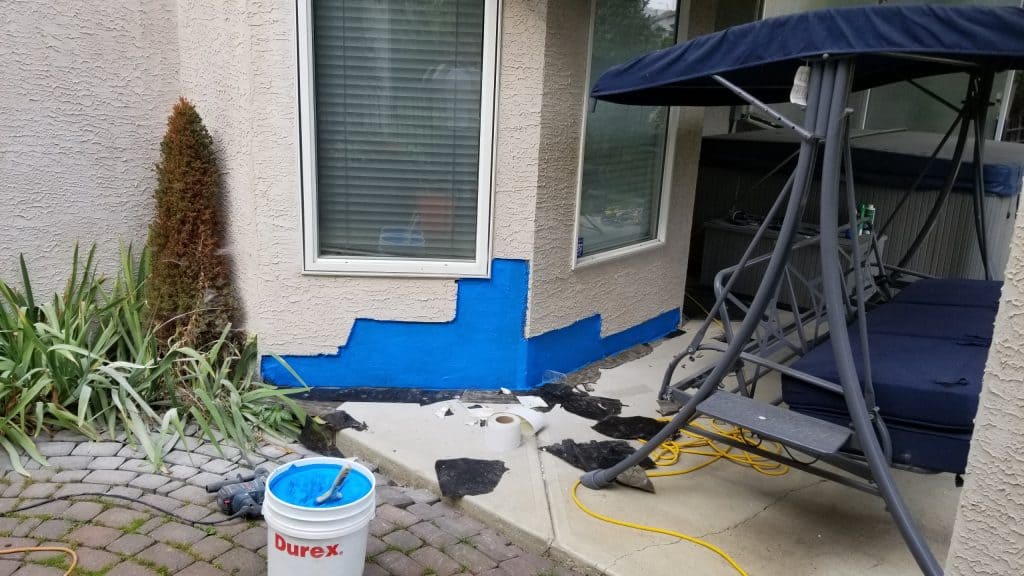
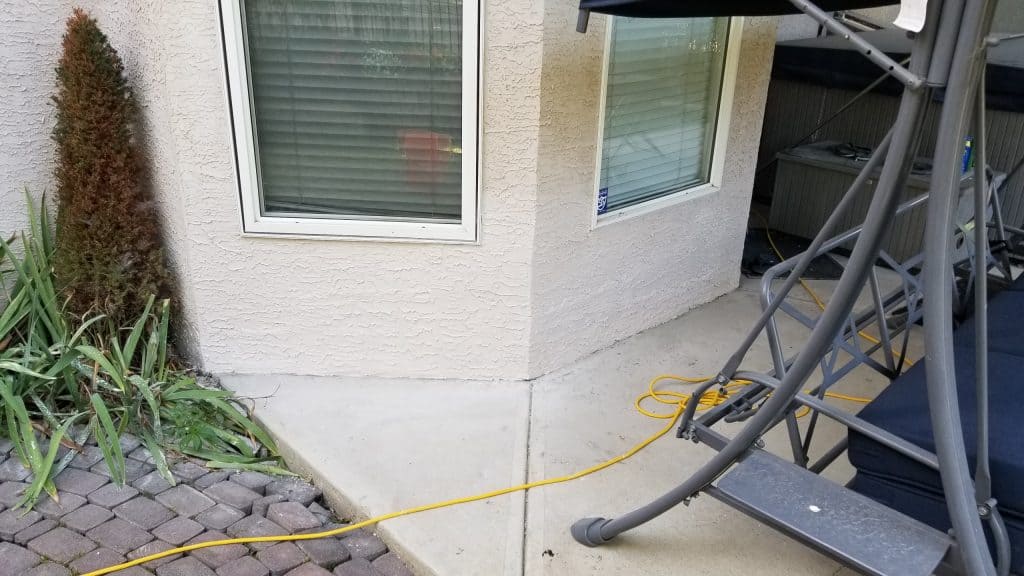
How Should I Prepare My Stucco for Seasonal Changes in Sherwood Park?
Preparing stucco for seasonal transitions includes a post-winter inspection, verifying and repairing caulking and flashings in fall, and ensuring drainage systems and grading keep water away from the wall assembly. After thawing in spring, examine corners, window sills, and eaves for new cracks, staining, or loose finish; small issues caught early can be sealed or patched before the next freeze. In fall, focus on resealing joints around windows, doors, and mechanical penetrations, and confirm gutters and downspouts are clean and direct water at least one metre from the foundation. These preventative actions maintain the building envelope’s integrity and reduce the likelihood of moisture-related failures that require invasive repairs.
When Is DIY Stucco Repair Appropriate vs. Professional Services?
DIY is suitable for very small, cosmetic tasks such as sealing hairline surface cracks with elastomeric caulk, spot cleaning, or applying minor touch-up texture where the substrate is sound and no moisture or delamination is present. Homeowners should stop DIY work and hire a professional when they encounter blistering, staining, large or stair-step cracks, delamination, or any sign of moisture penetration because these symptoms often indicate hidden substrate or drainage failures requiring diagnostic testing and structural repair. Safety considerations — such as working at height or using scaffolding — also favor professional involvement for multi-storey repairs. When in doubt, a targeted professional inspection is the prudent next step before attempting repairs that could void future warranty coverage or mask deeper problems.
- DIY appropriate: Hairline cracks, cosmetic touch-ups with sound substrate.
- Hire a pro: Blistering, staining, delamination, large cracks, or suspected moisture.
- Safety: Use pros for work requiring scaffolding or where access is hazardous.
Knowing these boundaries protects warranty rights and prevents escalating repair costs from amateur remediation.
How Do Professional Repairs Extend Stucco Lifespan?
Professional repairs extend stucco lifespan by fixing root causes rather than applying surface-only remedies; this means repairing or replacing compromised sheathing, restoring proper lath attachment, correcting drainage and flashing details, and using compatible base and finish materials. Addressing moisture pathways and reinstating a functioning drainage plane prevents repeated wetting and freeze-thaw deterioration, while correct layering and curing practices reduce future cracking. When professionals perform moisture testing and substrate repairs before finishing, the result is a cladding assembly with restored weather resistance and an extended service interval. These technical measures translate into fewer interventions over the decades and better preservation of insulation and structural elements behind the finish.
OUR SUPPLIERS
Every project is unique and requires a different approach. Working with variety of suppliers and manufacturers ensure that we deliver the best results.