
Cost Effective and High Quality
ST. ALBERT
PARGING SERVICES
Residential - Commercial
GET A FREE ESTIMATE
TRADITIONAL COLORS
ACRYLIC COLORS

Professional Parging Contractor in St. Albert
Solida Coatings has been helping homeowners, builders, contractors, developers and property managers throughout St. Albert and surrounding areas for over 14 years with various parging projects. It is our mission to provide best results for your building’s exterior cladding system.
Solida Coatings is a parging contractor offering coating and cladding services for both residential and commercial properties. Solida Coatings takes on any size and kind of project with ease, using only use top quality materials from reputable suppliers which helps provide better results for your project. Solida Coatings offers free estimates for parging and parging repair projects in greater St. Albert and surrounding areas.
Parging Installation
Foundation walls without proper parging, also known as basement walls on houses, office buildings, apartment complexes and various premises are susceptible to various hazards. Furthermore, considering St. Albert’s weather, the walls start to crumble and get cracks in time. These cracks can seem unimportant at first, over time they cause major problems such as water leakage into the basement. Damages on parging and concrete should be taken seriously and require immediate repair.
Parging is a thin coating of material which is particularly useful for the foundation and basement walls. It’s an efficient way to cover and strengthen an otherwise fragile surface. Contrary to common belief, concrete walls require protection with the proper parging mix. Parge coat protects the cement and concrete against various external factors and hazards. If needed, flashings and membrane tapes will be applied for additional water control. Then, depending on the clients’ wishes and needs, we will install a textured layer, smooth or acrylic coat. Finished look will not only transform the aesthetics of the building and the foundation, but will also provide an excellent protection and moisture control for many years.
Over the last few years, many foundations on residential homes and commercial buildings have a new system called ICF (Insulated Concrete Forms). This system insulates the concrete with foam and by default, foams are not resistant to dirt, ice, water and wind long term. We offer our ICF parging services and provide various textures and designs.


Parging Repair
If you have noticed that your parging coat is falling apart, chipping away or crumbling, it’s a good idea to start considering a parging repair service. When the water gets in and freezes due to seasonal conditions, it slowly hurts the parging mix and cause it to fall apart further. If the condition is severe and large sections are chipping off, a parging removal and renewal is recommended.
Parging installation and repair services are quite affordable compared to some other coating and wall systems. Solida Coatings provides free estimates and can start the work right away on the given scheduled date. -weather permitting- Contact us for your free estimate today.
What Is Parging and Why Is It Essential for St Albert Foundations?
Parging is a thin coating—usually cementitious or acrylic—applied directly to concrete, block, or ICF foundation walls to create a uniform protective and aesthetic surface. It bonds to the substrate, smoothing irregularities and forming a barrier that reduces moisture penetration and resists spalling caused by freezing and thawing. For St. Albert homeowners, parging improves appearance, reduces maintenance, and helps preserve structural concrete by limiting cyclic water ingress during Alberta’s freeze-thaw seasons. Understanding the types and materials used locally clarifies which approach fits each foundation type and climate exposure, which leads into specific material comparisons and reinforcement options in the next subsection.
What Materials and Types of Parging Are Used in St Albert?
Parging mixes commonly include cement, sand, lime, and bonding additives; some formulations add polymers or acrylics for flexibility and adhesion. Cement-based parging uses Portland cement and sand with possible lime for workability, offering strong adhesion and durability; acrylic parging blends polymers with cement or cement-free bases for better elasticity and resistance to hairline cracking. Textured finishes and reinforced parging incorporate mesh or fiber additives to reduce delamination risk and improve impact resistance on exposed foundations. Choosing between these types depends on substrate (poured concrete, concrete block, ICF), expected movement, and exposure—ICF installations often benefit from flexible acrylic blends while heavy-exposure poured concrete suits reinforced cementitious mixes.
How Does Parging Protect Foundations from Alberta’s Harsh Climate?
Parging protects by creating a continuous surface layer that reduces water absorption, thereby limiting the freeze-thaw cycles that cause surface spalling and cracking in concrete and block. The coating also evens surface stresses and shields mortar joints in block foundations from direct exposure to moisture and de-icing salts. By smoothing porous surfaces and filling minor irregularities, parging reduces pathways for capillary water transport and helps interior waterproofing systems perform better. Proper material selection and reinforcement further decrease the chance of delamination and prolong the interval between maintenance cycles, which is critical given St. Albert’s seasonal temperature swings and frequent freeze-thaw events.
Stucco Cladding Detailing and Parge Coatings A recurring detailing issue with stucco cladding, particularly at stucco-covered beams, is referred to as a “stucco bucket.” This occurs when the exposed structural surface or a surface with a parge… Weeping Stucco Buckets, 2015
Before examining costs, here is a comparison of common parging material types and their best local use cases.
Parging Type | Material Composition | Best Use Case in St. Albert |
Acrylic parging | Polymer-modified mixes, often with sand | Foundations requiring flexibility (ICF, moderate movement zones) |
Cement-based parging | Portland cement, sand, lime, water | Heavy-duty, high-impact exposure on poured concrete foundations |
Textured/finish parging | Cement or acrylic base with additives for texture | Curb appeal areas where finish matters; trims and visible foundation faces |
How Much Does Parging Repair Cost in St Albert?
Parging repair costs vary with scope, foundation type, and site conditions, but typical ranges help set expectations for budgeting and bidding. Small cosmetic patches for hairline cracks or isolated spalling are the lowest-cost repairs, partial re-parging covers sections of a wall, and full re-parging replaces the entire exterior parging layer. Key cost drivers include excavation needs, substrate repairs (like repointing block), reinforcement or mesh installation, and whether additional waterproofing is required. Accurate quotes come from on-site assessments that document substrate condition, access, and required prep work, which we explain in the following subsections.
What Factors Influence Parging Repair Prices in St Albert?
Several variables influence price: the extent of damage (isolated patches versus full delamination), foundation type (ICF, poured concrete, or block affects labor and materials), and site accessibility including landscaping or driveways that may require excavation. Climate-driven considerations—seasonality for work windows, protection against freezing during cure, and added waterproofing for high-hydrostatic-pressure sites—also affect cost. Labor rates and material availability in the regional market influence total bids, and the need for additional trades (e.g., masons for block repointing) increases scope and price. Understanding these cost drivers lets homeowners compare itemized estimates rather than accept lump-sum bids.
Parge Coatings and Foundation Maintenance Parge coatings are typically not recommended as they do not Preservation of Historic Concrete: Problems and General Approaches, Revised, 2007
Before reviewing actionable estimate tips, consult this example cost breakdown for typical repair types to understand expected ranges.
Repair Type | Typical Scope | Example Cost Range (CAD) |
Small patch | Localized crack repair and filler touch-up, no excavation | $200 – $800 |
Partial re-parging | Rework of sections (e.g., half a side) with primer and reinforcement | $1,000 – $4,000 |
Full re-parging | Remove and replace entire foundation coating, possible excavation | $3,500 – $12,000 |
When and How Should You Repair Cracked or Damaged Parging in St Albert?
Repair timing is driven by signs of failure and the risk they pose to the foundation and interior spaces; early intervention on minor issues prevents larger repairs later. Common problems such as hairline cracks, flaking, bulging, or visible moisture staining should be assessed to determine if they are surface-level or indicate deeper substrate damage. The professional repair workflow ranges from spot patching to full removal and reapplication and often includes substrate repairs and optional waterproofing upgrades where moisture is penetrating. The following subsections describe recognizable signs and a practical, stepwise repair process for St. Albert conditions.
What Are the Common Signs You Need Parging Repair?
Visual cues include hairline and spiderweb cracking, surface flaking or powdering, bulges or sections pulling away from the substrate (delamination), and interior moisture marks or efflorescence on basement walls. Hairline cracks can often be monitored or patched, but bulging or delaminated areas suggest bond failure and require more extensive removal and re-parging. Moisture stains or rising damp on the interior generally point to compromised exterior protection or drainage issues and should prompt an urgent assessment. Recognizing the difference between cosmetic and structural symptoms helps prioritize repairs and prevents unnecessary full-scale rework.
What Is the Professional Parging Repair Process in St Albert?
A typical professional repair follows clear stages: inspection and documentation, surface preparation (removal of loose material and cleaning), substrate repair (repointing or filling structural voids), application of bonding primer, parging application (trowel or spray methods), and controlled curing with optional protective coatings. Surface prep often requires power washing, mechanical chiseling of delaminated areas, and installing reinforcement mesh where needed to prevent future cracking. Curing in Alberta requires attention to temperature and moisture—contractors may use cold-weather additives or temporary enclosures to ensure proper set and strength. Post-application inspection and cleanup complete the process, with contractors often providing maintenance guidance and warranty details.
How Does New Parging Installation Enhance Your St Albert Property?
New parging enhances durability by delivering a uniform protective layer that reduces water ingress, evens thermal stresses, and protects mortar joints in block foundations. It also upgrades curb appeal: modern parging systems offer color and texture options that integrate with landscaping and exterior finishes while providing a low-maintenance face for the foundation. Properly installed parging reduces long-term maintenance costs by delaying more invasive foundation work and can be a selling point when marketing a home that demonstrates proactive moisture management. The next subsections outline the installation steps contractors follow and how parging contributes to property value.
What Are the Steps for Professional Parging Installation?
Professional installation begins with a thorough site inspection and substrate assessment, followed by excavation if the parging will extend below grade or if access requires it. Preparation includes cleaning, mechanical removal of weak material, and repairing any structural defects before applying a bonding primer or scratch coat. Application methods vary—hand-trowel or spray—depending on finish and access, and reinforced parging uses mesh embedded in the base coat for added tensile strength. Curing time and protective measures during Alberta’s cool or freezing conditions are critical; appropriate curing ensures adhesion, reduces shrinkage cracking, and preserves finish integrity.
Application of Parge Coating on Insulated Concrete Form (ICF) Foundations The exposed area between the ground and the vinyl siding was coated with a parge material resembling concrete. The vinyl siding was affixed directly to the Insulated Concrete Forms (ICFs) at the integrated Habitat for Humanity North Central Connecticut
How Does Parging Increase Property Value and Curb Appeal?
Parging contributes to perceived and real value by presenting a well-maintained exterior that signals reduced risk of moisture issues to buyers and home inspectors. A clean, textured finish conceals imperfections and provides a cohesive visual base for landscaping and exterior cladding, improving first impressions. Preventative parging also reduces the probability of costly structural repairs later, which can be a strong selling point; documenting recent professional parging work and maintenance records supports transparency during a sale. When highlighting upgrades, emphasize waterproofing improvements, material type, and any warranties to reinforce the value proposition to prospective buyers.
What Are the Differences Between Stucco and Parging in St Albert?
Though often confused, stucco and parging serve different roles: parging is a thin protective coating for foundation walls, while stucco is a multi-coat cladding system intended for full-wall finishes above grade. Parging focuses on protection and minor aesthetic enhancement of foundations, typically requiring less substrate preparation and lighter reinforcement, whereas stucco is a thicker, layered system with expanded lath and mesh, drainage planes, and finish coats. Performance in Alberta’s climate depends on correct system selection and installation; the table below summarizes core distinctions to help homeowners choose the appropriate approach for foundations versus wall cladding.
Attribute | Parging | Stucco |
Primary purpose | Protective, thin foundation coating | Decorative and protective full-wall cladding system |
Typical thickness | 3–10 mm (thin coat) | Multiple coats totaling 12–30 mm with lath/mesh |
Substrate requirements | Directly on concrete/block/ICF with minimal lath | Requires sheathing, lath/mesh, and drainage plane for walls |
Maintenance and repair | Easier to patch; focuses on moisture control | More complex repairs; layered system needs matching texture and color |
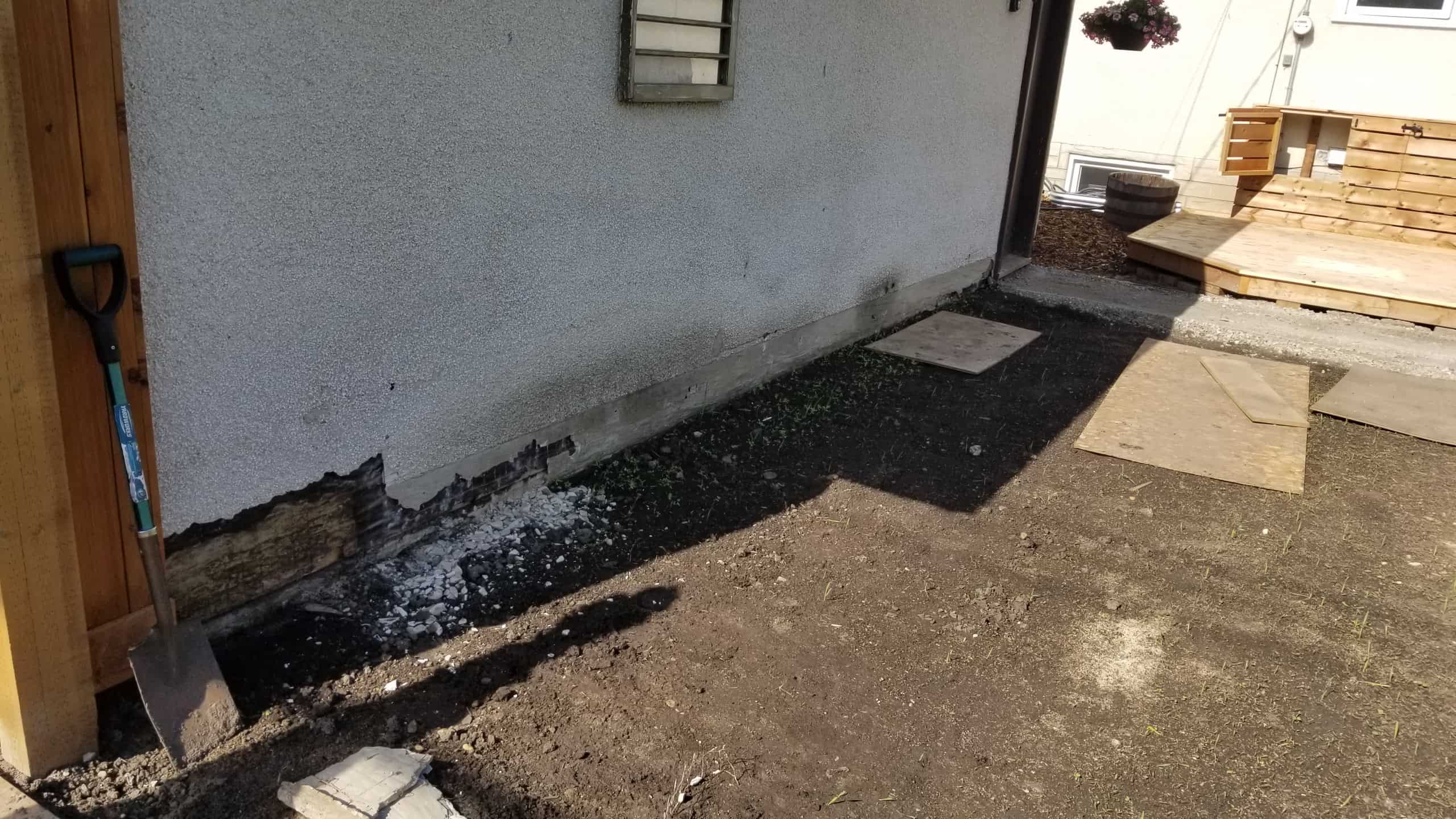
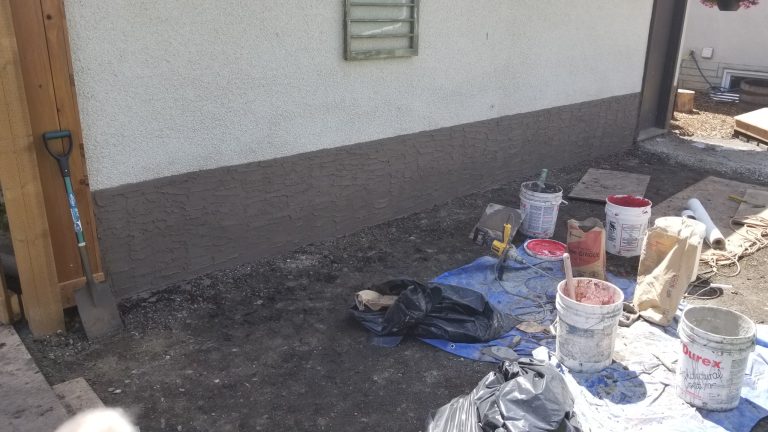
How Do Stucco and Parging Differ in Materials and Application?
Materials and application differ in scale and structural expectation: parging uses cementitious or acrylic mixes applied in thin coats with bonding primers and optional mesh reinforcement, whereas stucco employs a multi-coat process with base coats, embedded reinforcement, and finish coats in decorative textures. Substrate prep for stucco is more involved and typically requires lath and a drainage plane, while parging often bonds directly to clean concrete or block with a primer. Lifecycle and repair approaches reflect these differences—parging repairs can be localized, but stucco repairs must rebuild layered finishes for visual consistency. These material and process distinctions determine suitability for foundations versus above-grade walls.
Which Exterior Finish Is Best for St Albert Foundations?
For most St. Albert foundations, parging is the better choice because it targets moisture control and freeze-thaw protection without the complexity of full stucco systems. Choose cement-based parging for high-impact or heavily exposed poured concrete and acrylic-modified parging for ICF systems or substrates subject to minor movement. Stucco is appropriate when the intent is to finish above-grade walls architecturally, but it requires strict detailing to avoid moisture traps in cold climates. Consider budget, desired finish, and long-term maintenance when deciding; a parging-first approach with selective above-grade stucco can balance protection and curb appeal.
Where to Find the Best Parging Contractors in St Albert?
Selecting a reputable contractor depends on verifying local experience, documented projects, insurance, and clear, itemized estimates that match your specification. Look for contractors who demonstrate knowledge of Alberta-specific issues—freeze-thaw protection, cold-weather curing, ICF-specific techniques—and who provide references or photo documentation of past work in similar conditions. A good vetting process reduces risk and ensures that warranties and workmanship will stand up to local climate stresses. The following subsections outline contractor qualities to seek and practical verification steps to confirm credentials and reputation.
OUR SUPPLIERS
Every project is unique and requires a different approach. Working with variety of suppliers and manufacturers ensure that we deliver the best results.





Quick Answers to Frequently Asked Questions.
Parging is a coating that consists of Portland-cement, sand and water. This parge coating is applied on the visible portion of your home’s foundation walls. It provides aesthetic appeal while offering a protective layer for your foundation.
Parging protects your home or building’s foundation against elements such as weather. In time, weather elements slowly deteriorates the foundation walls and cause them to crumble and fall apart. Parging acts as a protective layer and deflects the hazardous elements.
Parging not only provides an aesthetic appeal to your home, but it also provides protection for your foundation walls against weather conditions whether it is concrete, wood or masonry based walls.
Parging offers insulation though minimal against weather conditions. It also prevents insects and other animals from nesting inside.
Contrary to common belief poured concrete walls are weak against weather elements such as snow, rain and wind. Parging offers an additional layer of protection against these hazardous elements and is needed for any type of foundation walls whether they are wooden, poured concrete or ICF walls.
Parging is not considered a DIY project, however with the right tools, material and experience it can be done. If you feel comfortable using trowels and mixture of sand based cement, you can apply the parge coat and the texture.
Generally speaking however, parging cannot be done by majority of people due to lack of experience. What is recommended is that you can fix the small cracks and apply little patches by yourself by purchasing pre-made parge mix at a store.
There are few number of reasons why a parging falls off. A poor workmanship while applying the parge coat is one of the reasons. Parging should be pressed onto the foundation walls with a trowel and it requires a certain amount of thickness for it to be strong. Additionally, poorly prepared parging mix can be another reason why a parging falls off. A good ratio between sand, cement and water is a necessity when preparing the parge mix.
Moreover, if the weather conditions are bad when applying the parging coat, it is doomed to fail later. A certain degree of good weather conditions is needed when applying parging. Therefore, inexperience and poor workmanship are the leading causes of why a parging fails and falls off.
Parging itself is not a waterproofing system that keeps the water out, however it offers immense benefits for water control. It is especially useful for membrane and other waterproofing systems that lies underneath the parge coat. Just like stucco, parging does not keep the water out however controls it.
Considering Canada’s weather conditions, parging season is between April and November where the temperatures allow the parge coat to dry nicely and timely. At least 48 hours should be given for parging to cure and stick to the foundation walls.
There are few alternatives to parging. Though more costly, these alternatives can beautify the foundation walls while offering various benefits.
- EIFS
Acrylic stucco system -commonly known as EIFS- can be applied on the foundation walls. This system offers the benefits of choosing over 100 different colors and better insulation. It provides water control, insulation and better appeal to foundation walls.
- Masonry
Masonry systems such as; brick, cultured stone or block walls can be installed instead of parging. However, these systems are more costly.
Most people use portland-cement and sand for parging. However, it is crucial to apply concrete adhesive bonding prior to applying parge coat onto the foundation walls so that the parging sticks better on to the surface.
Additionally, a good practice is to apply fiberglass mesh embedded in parge coat so that it provides the much needed flexibility against weather conditions.
As a good rule of thumb, the parge coat should be applied in a thick coating, ideally as 10mm (3/8 inch) however the thickness can vary due to the conditions of the wall and requirements.
Then the texture or a second coating can be applied for beautification and aesthetic appeal purposes while offering additional protection against weather elements.
Depending on the thickness of the parge coat, it is a good practice to allow it to harden in 24 to 48 hours. Parging will take at least 2 days to cure and settle.
You can paint the parging with the proper masonry-based or exterior stucco paint however, it’s not a good idea.
Parging protects the foundation walls which are on the lower part of a building or a home and foundation walls embrace the dirt, snow, ice and rain. Over time, the paint will chip away while chemicals inside eating away into the parging, leaving it vulnerable against weather conditions.
Concrete foundation itself will expand and shrink due to temperature and foundation settlements happen regularly therefore small hairline cracks in your parging is nothing to worry about.
Absolutely. The parging can be washed after it settles and cures. You can wash your parging to clean it from dirt.
No, it is not. Smooth parging is the texture that is different than skip-trowel texture and is needed to be floated. The acrylic parging uses acrylic finish coat as the textured layer. Although both systems require floating, the look and interior layers are different.