OUR SUPPLIERS
Every project is unique and requires a different approach. Working with variety of suppliers and manufacturers ensure that we deliver the best results.






Solida Coatings has been helping homeowners, builders, contractors, developers and property managers throughout St. Albert and surrounding areas for over 14 years with stucco repair projects. It is our mission to provide best results for your building’s exterior cladding system.
Solida Coatings is a stucco contractor offering exterior coating services for both residential and commercial properties. Solida Coatings takes on any size and kind of repair project with ease, using only use top quality materials from reputable suppliers which helps provide better results for your project. Solida Coatings offers free estimates for stucco repair projects in St. Albert and surrounding areas.
Due to external factors or negligence while installing, stucco might have problems that require repairs. Solida Coatings can easily solve your stucco related problems. Whether it’s water leakage, damaged walls or color fades, we’ll be more than happy to provide you with the best results. We offer the following stucco repair services;
If the damage is too serious for a stucco repair service, it is highly recommendable to go with stucco retrofitting. Retrofitting will not only get rid of the existing issues, it will also provide your building’s exterior with a fresh stucco application with all the benefits. Additionally, retrofitting is an convenient and affordable way for buildings to have a fresh look while gaining extra protection and visual appeal. Contact us today for your free estimate today.

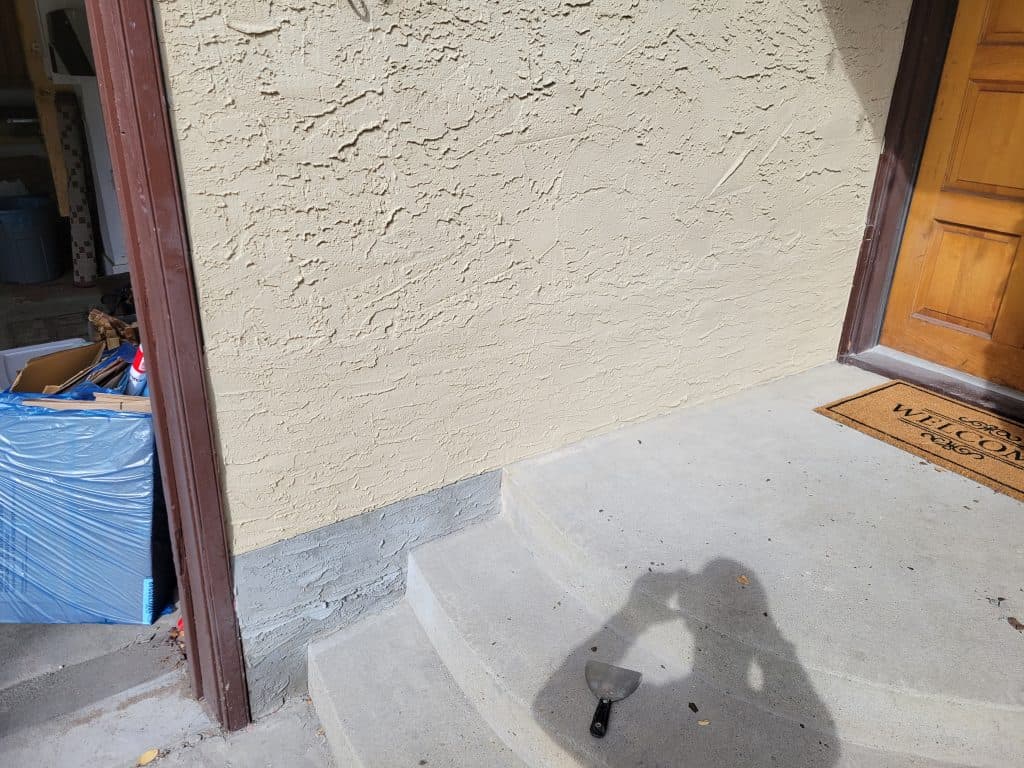
Stucco on St. Albert buildings commonly shows several predictable damage types driven by freeze-thaw cycles, moisture infiltration, and building movement, and recognizing these problems early preserves the building envelope and curb appeal. The most frequent issues are cracking, water damage that softens substrates, blistering/bulging where the finish separates, delamination in layered systems like EIFS, efflorescence that indicates salts and moisture movement, and impact or woodpecker damage on exposed surfaces. Understanding these categories helps homeowners prioritize repairs and communicate effectively with contractors, because each damage type maps to specific inspection steps and repair techniques. The following list summarizes the common damage types and the principal signs to look for on façades and foundations.
Recognizing one of these signs should prompt a targeted assessment because early intervention limits substrate and structural damage and directs whether patching, parging, or full remediation is required.
Cracks form in stucco from a combination of material shrinkage, thermal movement, foundation settlement, and localized impact, and each cause requires a different repair approach to restore performance and prevent recurrence.
Hairline shrinkage cracks often occur within the finish coat and can be sealed and re-textured using flexible patching compounds and compatible finish materials, while structural or movement-related cracks near foundations may require underpinning, substrate repair, and full re-coating of affected areas.
Detection involves visual mapping of crack patterns and probing to verify whether the crack is superficial or indicative of deeper substrate separation; this diagnostic step determines if stitching, reattachment, or demolition is necessary.
Homeowners should document crack progression and schedule an inspection when cracks widen, appear at multiple locations, or are accompanied by moisture staining to ensure the repair addresses root causes rather than cosmetic symptoms.
Water penetration compromises stucco by softening the substrate, encouraging mold and rot, and causing layered systems like EIFS to delaminate, and restoration ranges from targeted repairs to full remediation depending on severity.
Initial diagnostics include moisture meter readings, probe testing, and removal of limited areas to inspect sheathing and flashing; if water has reached the substrate, repairs typically include substrate replacement, improved flashing and weep systems, reinstallation of drainage planes, and reapplication of compatible stucco or EIFS details.
Local climate factors such as freeze-thaw cycles and heavy spring runoff in St. Albert increase the importance of durable flashing and proper drainage; long-term prevention often involves upgrading flashings, installing weep screeds, and resealing penetrations.
After restoration, monitoring and scheduled inspections reduce the chance of recurrence and protect both structural components and interior finishes.
Damage Type | Typical Cause | Common Signs |
Cracks | Thermal movement, settlement, shrinkage | Hairline lines, widening, corner cracks |
Water infiltration | Failed flashing, missing drainage plane | Staining, soft substrate, mold |
Blistering/Bulging | Trapped moisture or poor adhesion | Raised finish areas, paint failure |
Delamination (EIFS) | Moisture intrusion behind layers | Gaps, hollow sound on tapping |
Efflorescence | Salt-laden moisture migration | White powdery deposits on surface |
This reference table helps homeowners compare observed signs to likely causes so they can prioritize inspections and repairs with contractors or consultants.
A range of stucco repair services exists in St. Albert to match the diversity of damage types and building systems, and choosing the right service depends on system type, extent of damage, and accessibility.
To assist decision-making, the table below matches services to problems and outcomes so property owners can see expected benefits before scheduling an assessment.
Service Type | When Needed | Outcome / Benefit |
Crack repair / patching | Superficial finish cracks, no substrate damage | Restored appearance, short-term protection |
Parging | Foundation wear or exposed block | Improved water shedding, extended foundation life |
EIFS repair | Layer delamination, moisture paths | Restored water barrier, matched finish |
Water damage remediation | Soft substrate, mold, widespread staining | Repaired substrate, renewed envelope integrity |
Full replacement | Extensive failure across facade | Long-term durability, updated details |
This table clarifies service selection and expected outcomes so owners can align scope and budget with performance goals.
Beyond cracking and moisture, homeowners face efflorescence, impact damage, texture mismatch, paint or coating failures, and compatibility issues between coatings and stucco substrates. Efflorescence signals internal moisture migration and needs source remediation rather than cosmetic cleaning alone. Impact dents and holes require repair that matches substrate depth and texture to avoid visible patches. Painting or coating failures often stem from using non-breathable products that trap moisture and accelerate decay. Recognizing when issues are cosmetic versus structural helps determine whether DIY fixes or professional repairs are appropriate.
Knowing these additional problems helps homeowners prioritize inspections and ensures that repairs target root causes rather than surface symptoms, which leads into available repair services and what they include.
EIFS (Exterior Insulation and Finish Systems) differs from cement-based stucco because it incorporates insulation layers and adhesive systems that can trap moisture if details fail, and repairs must address both the finish and the underlying water management.
Typical EIFS failures include delamination between layers, adhesive breakdown, and moisture migration into the substrate; remediation often requires careful removal of affected panels, inspection of sheathing, replacement of damaged insulation or adhesives, and reinstallation with improved drainage or retrofitted flashings.
Because EIFS repairs can be complex and code-sensitive, they generally benefit from specialists experienced with EIFS diagnosis, testing, and system-specific materials to ensure the repaired assembly performs in St. Albert’s climate. When multiple EIFS panels or large areas show failure, a phased remediation or full system replacement is frequently recommended to eliminate hidden moisture risks.
Forensic engineering evaluations of EIFS systems are crucial for understanding complex water intrusion issues and developing effective remediation strategies, especially in challenging environments.
Forensic Engineering Evaluation of Exterior Insulation and Finish Systems: Water Intrusion and Remediation Strategies ABSTRACT: This presentation will focus on the forensic engineering evaluation of Exterior Insulation and Finish Systems (EIFS). The case involved significant water leakage within the walls of a high-end condominium situated on the Atlantic Ocean beachfront. Initial visual inspection of the building revealed no apparent pathways for water intrusion, suggesting a well-sealed exterior. However, verification of water intrusion using moisture meters and the presence of visible stains within the units necessitated an investigation into the cause of the extensive leakage in this relatively new building. The investigation commenced with an examination of the construction practices and a comparison to the design documents. Subsequently, the design documents were compared against applicable building codes and practical construction standards. The extent of the damage and the root cause of the failure were then determined. Finally, the scope of remedial work required to restore the structure was defined. Sufficient testing and investigation were conducted to ensure that the proposed repairs would effectively address the identified issues. Throughout each stage… Exterior Insulation Finish Systems, 1999
Parging and remediation restore both function and appearance by addressing failing coatings, compromised substrates, and poor water management that accelerate stucco deterioration, and they are often coordinated with other exterior upgrades.
Parging reestablishes a continuous protective layer on foundation walls, reducing water ingress at grade and improving aesthetics, while broader remediation replaces damaged sheathing, installs or repairs flashings and drainage planes, and then reapplies a compatible finish system.
Typical materials include cementitious parge mixes, polymer-modified finishes, and compatible primers or lath systems selected for freeze-thaw durability; timelines vary from days for parging to weeks for full remediation depending on drying and substrate replacement needs.
Coordinating parging with roof, gutter, and grade corrections yields durable results and reduces the chance of recurring moisture-related failures.
Professional stucco repair in St. Albert follows a staged process—inspection, diagnosis, preparation, repair, finish, and verification—to ensure the building envelope is restored and protected against local climate stressors.
The inspection phase documents visible defects, uses tools such as moisture meters and probes, and identifies flashing and drainage issues; diagnosis isolates root causes like missing flashings, failed sealants, or substrate rot so repairs address the source rather than symptoms.
Preparation includes containment, removal of failed materials, and substrate drying or replacement; the repair phase applies the chosen technique—patching, parging, EIFS remediation, or replacement—followed by texture matching, color blending, and sealant work to restore appearance and function.
Final verification includes a walk-through, photographic documentation, and recommendations for maintenance to prolong the life of the repair and prevent recurrence.
This process checklist clarifies expectations and timelines so property owners can verify scope and performance before work begins.
After inspection and diagnosis, many local stucco repair providers in St. Albert offer on-site assessments and written estimates that itemize scope, materials, and recommended sequencing; homeowners should expect documented findings and photo evidence with recommendations.
A typical local estimate outlines the prioritized repairs, identifies required scaffolding or permits, and presents a timeline inclusive of drying times and finish curing; asking contractors for these deliverables helps compare bids on an apples-to-apples basis.
Scheduling repairs outside peak freeze-thaw windows and addressing drainage issues concurrently are common recommendations in St. Albert to maximize repair longevity and minimize the risk of winter-related freeze damage.
The initial assessment defines the scope of visible and hidden damage through structured diagnostics: a visual survey, targeted tapping to detect delamination, moisture meter readings, and selective removal of finishes to inspect sheathing and flashings.
Inspectors document findings with photos and notes, identify immediate safety or weatherproofing risks, and provide a prioritized recommendation list with options for repair types and approximate timelines, enabling owners to plan budget and phasing.
Deliverables from a reputable inspection typically include a written report summarizing moisture readings, photographed defects, and a recommended scope with cost considerations; this documentation forms the basis for estimates and insurance discussion where applicable.
A clear assessment reduces uncertainty and ensures subsequent repair work targets the failure mechanisms rather than only cosmetic symptoms.
Repair techniques vary by problem: finish-only crack repairs use flexible patching and texture matching, while delamination or EIFS failure requires removal of layers, substrate inspection, and system-specific adhesives or drainage retrofits, and full replacement entails re-lathing, sheathing repair, and reapplication of the stucco assembly.
Parging uses cementitious repairs to foundation walls to re-establish a continuous protective coating, while water damage remediation may also include replacing rotted sheathing, adding new flashings, and improving drainage planes to prevent recurrent infiltration.
Each technique differs in expected lifespan and maintenance; patching may last years if the substrate is sound, whereas remediation or replacement provides a longer-term solution for systemic failures.
Choosing the correct technique depends on diagnosis, accessibility, finish matching, and long-term performance goals for the building envelope.
Developing advanced stucco repair techniques that enhance durability and ensure monolithic integrity is crucial for long-term building performance, especially when dealing with challenging substrates like brick.
Advanced Stucco Repair Techniques for Brick Walls: Enhancing Durability During the operational life of buildings, plaster coatings on the external and internal surfaces of brick walls are subjected to various destructive influences. Current plaster repair methods do not fully guarantee strong adhesion of the repair layer material to the underlying brick wall structure. Furthermore, these methods primarily address damage remediation rather than enhancing the operational properties of the repaired plaster layer. Consequently, a pressing challenge is the development of an effective method for repairing plaster coatings on brick walls that ensures the monolithic integrity of the repaired plaster structure. To address the limitations of existing plaster coating repair techniques on brick walls and to identify avenues for improvement, the authors investigated the feasibility and expediency of incorporating additional process steps. A distinctive feature of this repair method involves the use of preheated plaster mortar, flexible plaster molding, and compaction of the stucco mortar in the contact area with the repaired brick wall structure using a deep plate compactor. Test results from plaster coating samples prepared using the proposed method demonstrate its high efficiency and practicality for repairs on both external and internal brick wall surfaces, as documented in a Russian Federation invention patent. The application of this method significantly enhances the performance characteristics of the plaster, thereby extending the service life of the plaster coating manifold. Stucco repair method for enclosing brick walls, 2019
Stucco repair cost in St. Albert varies with the extent of damage, system type (cement-based stucco vs EIFS), accessibility, scaffold or lift requirements, substrate repair needs, and labour rates; homeowners should expect a wide range rather than a single price point.
Minor crack repairs and small patching jobs generally represent the lower end of the cost spectrum because they require limited materials and minimal scaffolding, while water damage remediation and EIFS system repairs rise in cost due to the need for substrate replacement, specialized materials, and extended drying or cure times.
Additional cost drivers include the need for permit work, disposal of contaminated materials, and any required upgrades to flashing or drainage that reduce long-term risk.
When obtaining quotes, request itemized estimates that separate diagnostics, labor, materials, scaffolding, and any subcontracted work so comparisons are transparent; also ask about recommended sequencing and any preventative upgrades that reduce life-cycle costs. Many local providers offer free on-site estimates or low-cost diagnostic visits that yield a documented scope and priority list, helping homeowners budget and decide whether to phase repairs.
Repair Scope | Typical Size / Accessibility | Primary Cost Drivers |
Minor crack repair | Small localized areas, ground access | Labor for prep, patching materials, texture matching |
Parging (foundation) | Low to mid-height walls | Cementitious materials, scaffolding, surface prep |
EIFS remediation | Multiple panels or system-wide | Removal, insulation/sheathing replacement, specialized installers |
Water damage remediation | Areas with soft substrate | Sheathing replacement, flashing upgrades, drying time |
Full replacement | Whole elevation(s) | Lath/sheathing, full re-coat, scaffolding, finishing |
This table clarifies how scope and accessibility translate into budget items so property owners can interpret estimates and cost drivers accurately.
Key factors include the depth and length of cracks, presence of substrate rot or mold, whether the system is EIFS or cement-based, required access equipment such as scaffolding or lifts, and time needed for drying or curing; each factor increases labor, materials, or time on site.
Hidden costs arise when probing reveals damaged sheathing or failed flashings that must be replaced to prevent reoccurrence, and remediation of mold or compromised insulation adds to scope and specialized disposal requirements.
Local seasonal timing can also influence cost because work outside ideal windows may require heaters or tents to ensure proper curing, and permit requirements add administrative time and fees.
Comparing itemized estimates that describe these drivers helps homeowners weigh short-term patching versus longer-term remediation investments.
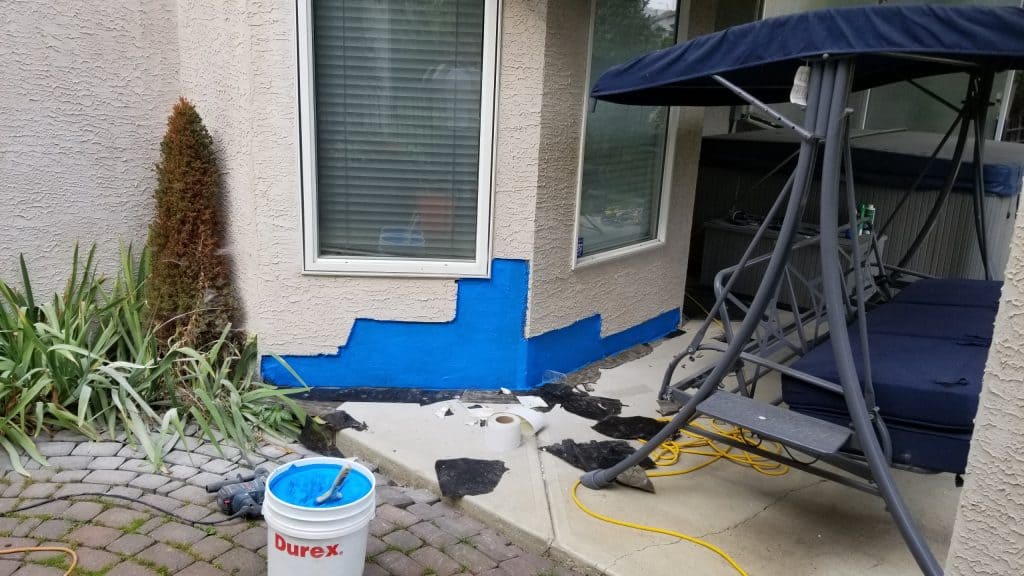
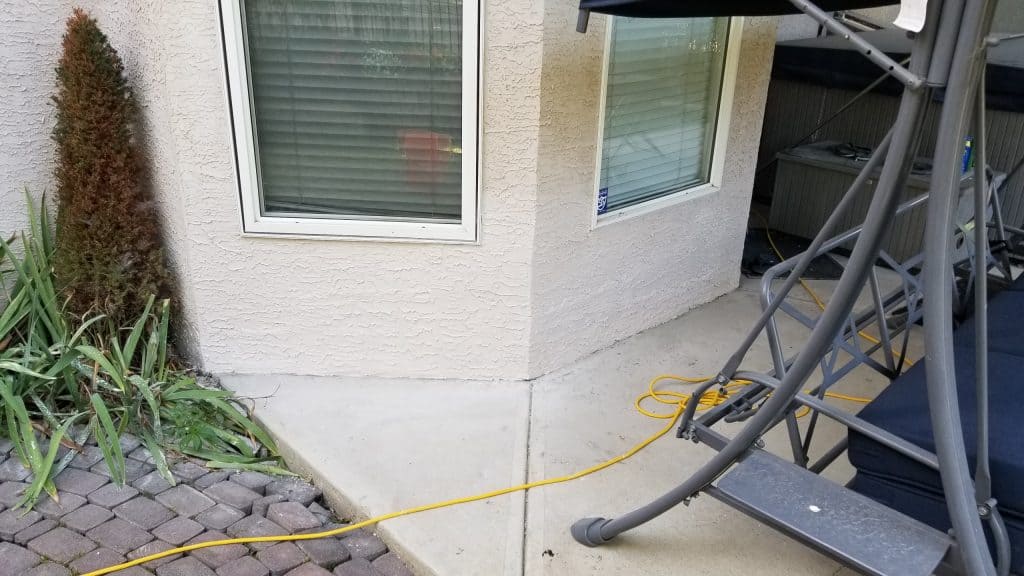
Free on-site estimates are commonly available from local stucco repair providers and typically include a visual inspection, basic moisture testing, photographic documentation, and a written scope with recommended next steps; however, advanced diagnostic testing may incur a fee.
During a no-cost assessment homeowners should expect a clear summary of observed defects, recommended repair options ranked by urgency, and an approximate cost range or itemized estimate that outlines materials and labor assumptions.
When comparing estimates, ask whether warranties on workmanship or materials are offered and verify that the contractor’s scope includes flashings and drainage work because these elements often determine long-term success. Use the deliverables from free estimates to compare qualifications, timelines, and value rather than choosing solely on lowest price.
Hiring professional stucco contractor Solida Coatings in St. Albert matters because local expertise ensures repairs account for regional climate stresses, typical construction details, and appropriate material choices that resist freeze-thaw cycles and moisture intrusion.
Building on these differentiators, homeowners benefit from contractors who can coordinate parging, flashing upgrades, and envelope remediation as integrated solutions to prevent recurring issues and preserve property value.
Local stucco repair professionals typically offer documented guarantees on workmanship and can outline recommended maintenance schedules; when seeking a contractor, request written warranty terms and examples of how warranty claims are handled.
For property owners ready to proceed, contacting local stucco repair specialists for a documented, on-site estimate is the next step; expect a prioritized scope, photographic evidence, and clear recommendations for preventing future water intrusion without needing any specific company names or contact details here.
Quality stucco repairs use materials matched to the system type—cement-based lath/stucco assemblies, acrylic or polymer-modified finishes, or EIFS-compatible components—and installers should provide material datasheets and workmanship warranty language to verify longevity.
Typical warranties cover workmanship for a set period and may reference manufacturer warranties for system components; homeowners should request written terms that specify coverage scope and claim procedures.
Verifying product compatibility, freeze-thaw ratings, and proper curing instructions ensures the selected materials perform in St. Albert’s climate, and documented guarantees reduce long-term risk by making expectations clear between owner and contractor. When comparing bids, prioritize contractors who provide clear material specifications and warranty documentation.
Routine maintenance and prevention extend stucco life by addressing small defects before they become systemic problems; a simple seasonal checklist and inspection routine can catch issues early and lower long-term costs.
Best practices include inspecting caulking around windows and doors and re-sealing as needed, ensuring gutters and downspouts divert water away from foundations, maintaining proper grading and vegetation clearance, and checking for new cracks or efflorescence after freeze-thaw cycles.
Small homeowner actions—like replacing failed sealant and clearing debris from weep screeds—are effective at reducing moisture exposure, while scheduled professional inspections catch hidden substrate problems.
Following these practices reduces the likelihood of emergency repairs and supports long-term performance; for persistent problems or after major storms, schedule a professional inspection to verify whether remediation is required.
Homeowners prevent many stucco issues through proactive maintenance that addresses water management, sealant integrity, and minor surface defects before they escalate into substrate failures; these measures preserve both function and appearance.
Proper drainage and gutter maintenance keep runoff away from walls and foundations, while timely resealing of joints and penetrations stops capillary pathways for moisture.
Controlling vegetation and maintaining proper grading reduces splash-back and prolonged wetting at the base of walls, preventing efflorescence and freeze-thaw damage.
When small cracks appear, addressing them promptly with compatible flexible sealants and texture-matched patches prevents water entry and often avoids the need for larger remediation.
Regular inspections should be scheduled at least annually, ideally in spring after thaw, with additional checks after severe storms, renovations, or observed interior moisture signs; buildings with previous stucco issues or older systems may require more frequent monitoring.
Event-based triggers for inspections include recurring staining, new or widening cracks, interior dampness near walls, or notice of pests and impacts to exterior cladding.
During inspections, professionals will assess flashings, sealants, weep details, substrate conditions, and finish adhesion to detect hidden failure modes early.
Service Comparison | Inspection Frequency | Preventive Benefit |
Basic visual check | Annual or post-storm | Early detection of surface issues |
Moisture diagnostic | When staining or soft spots seen | Identifies hidden substrate moisture |
Professional maintenance | Every 2–3 years | Re-sealing, minor repairs, and prolonging life |
Using inspection data to plan preventative maintenance reduces lifecycle costs and improves the resilience of stucco systems in St. Albert’s climate.