
Cost Effective and High Quality
STUCCO RESTORATION SERVICES
Residential - Commercial
Get a Free Quote for Stucco Restoration & Repairs


Stucco Restoration and Retrofitting
Solida Coatings has been helping homeowners, builders, contractors, developers and property managers throughout Western Canada for many years with stucco restoration and retrofitting. It is our mission to provide best results for your building’s exterior cladding system. We offer our services for various stucco repair projects.
m reput Stucco restoration is the process of diagnosing, repairing and protecting exterior cement or synthetic plaster systems to restore structural integrity and exterior appearance.Solida Coatings is a stucco contractor offering stucco retrofit and restoration services for both residential and commercial properties. Solida Coatings takes on any size and kind of repair project with ease, using only top quality materials from reputable suppliers which helps provide better results for your project. Solida Coatings offers free estimates for stucco repair projects.
Stucco Restoration
In the case of a major issue, stucco should be restored to it’s original form. Instead of patching or doing a quick fix, we recommend a complete restoration that will take of the damage and will get the stucco cladding to it’s former efficiency.
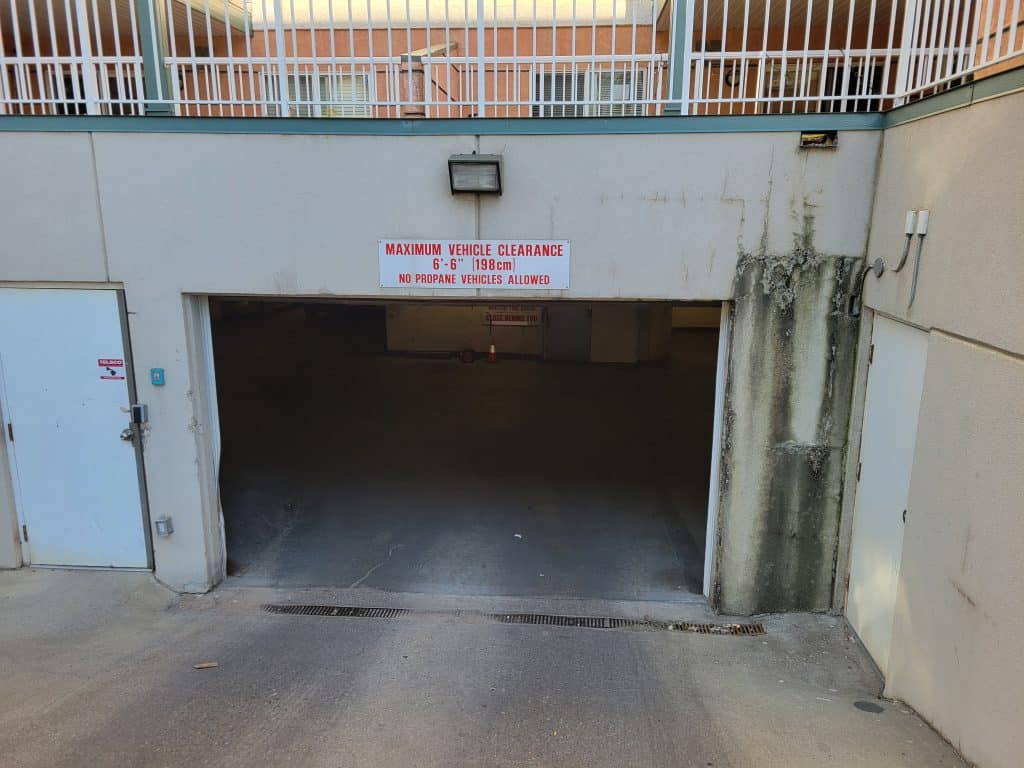
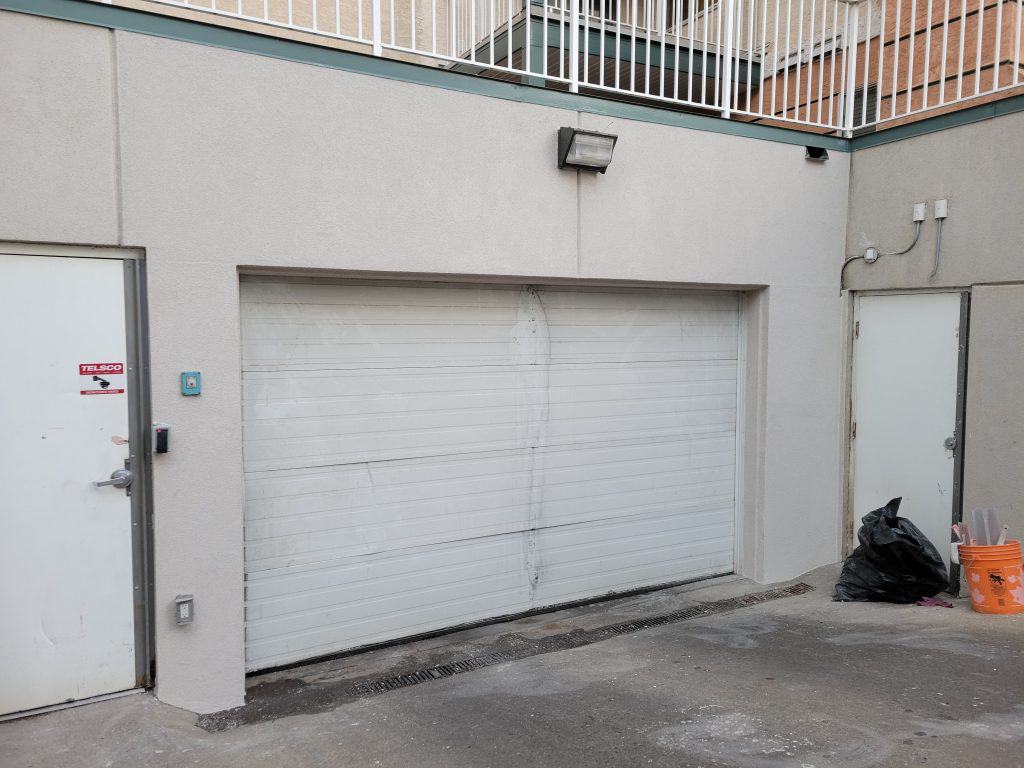
Stucco Retrofitting
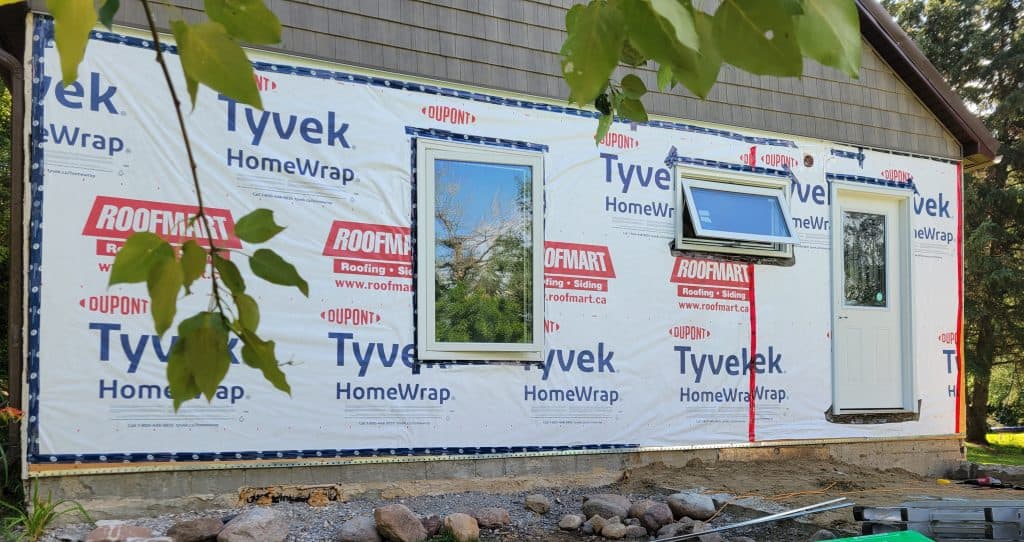
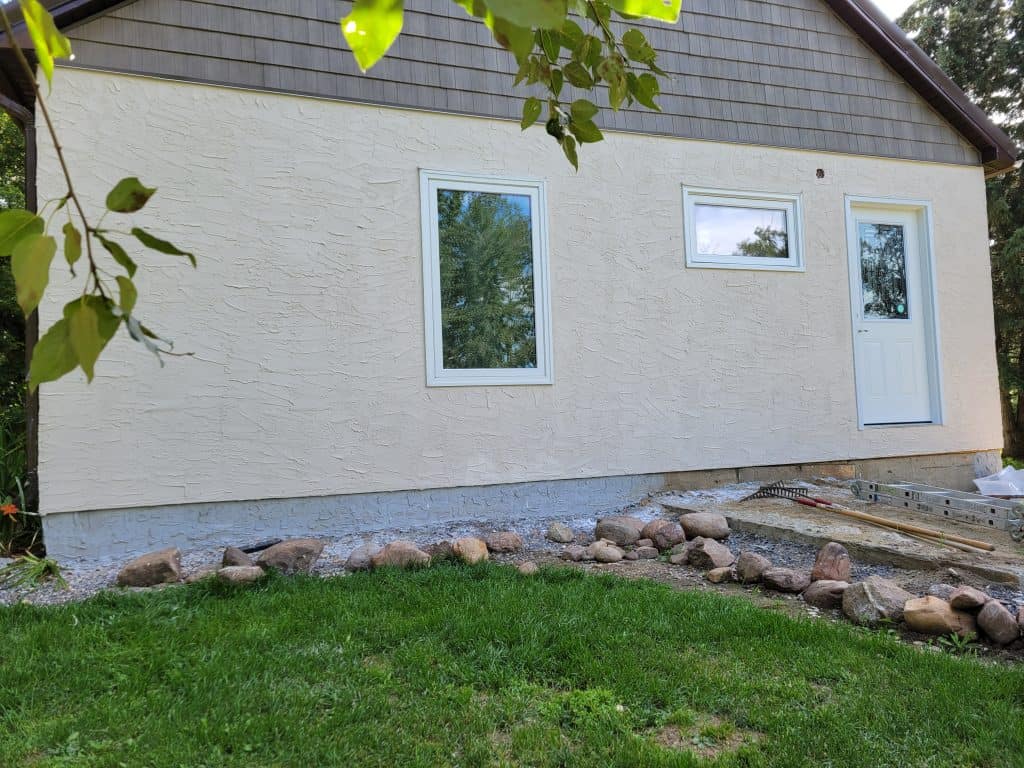
Stucco retrofitting is a the process of updating the existing cladding with a fresh stucco cladding system. It can either be renewing the existing cladding or changing the entire exterior look and cladding system to a new stucco system to provide more advantageous energy efficiency and better appeal.
What Are the Typical Stucco Repair Costs?
Typical stucco repair costs are influenced by project scale, accessibility, and any required moisture remediation; national per-square-foot ranges commonly span minor patching at the low end to full remediation at the high end. Calculating an accurate price requires isolating material and labor components, factoring scaffolding or lift rental, testing and remediation for hidden moisture or mold, and color/texture matching for finishes. Homeowners should understand that costs rise sharply when substrate replacement, flashing upgrades, or demolition and disposal are required, and that regional labor rates influence final bids. The next section explains the per-square-foot calculation method with a sample worked example to help homeowners estimate project budgets and compare quotes effectively
What Factors Influence the Cost of Stucco Restoration?
Multiple factors influence stucco restoration cost: extent and type of damage, substrate condition, need for moisture remediation, accessibility, finish complexity, and required permits or inspections. Damage that requires substrate replacement, mold mitigation, or structural repairs increases both labor and material line items, while textured or custom color matches add finishing time and product costs. Access constraints such as tight yards or multi-story work often require scaffolding or lift rentals that inflate project estimates, and complicated flashing or window/door detail repairs add specialized flashing labor and materials. Anticipating these drivers lets homeowners evaluate quotes beyond a single unit price and prioritize fixes that prevent future failures.
What Is the Return on Investment for Stucco Remediation?
Investing in proper stucco remediation typically yields improved curb appeal, reduced future repair liability, and better protection of the building envelope—factors that positively influence resale value when disclosed and documented. Full remediation that addresses underlying moisture problems and upgrades flashing often delivers higher ROI than repeated cosmetic patching because buyers value durable exteriors and documented repairs. ROI varies widely by market and project scope, but remediation that prevents chronic leaks and visible deterioration tends to protect home equity more reliably than short-term patching. For homeowners, the key is matching scope to long-term goals: cosmetic patches for resale staging vs. remediation for structural protection and longevity.
How Do Exterior Stucco Repair Contractors Provide Quality Restoration Services?
Quality stucco restoration by contractors combines thorough inspection and testing, a clear remediation plan, experienced trades capable of flashing and substrate repair, and transparent estimates that itemize scope and contingencies. Contractors begin with a systematic assessment—visual, probing, and moisture testing—to identify the damage envelope and root cause, then prepare a written scope that distinguishes cosmetic patching from full remediation. Benefits of professional work include compliance with building codes, access to specialized tools and materials, and often a workmanship warranty that reduces homeowner risk. The following subsections list vetting criteria, outline assessment workflows, compare professional benefits to DIY, and explain how to compare bids for accurate decision-making.
What Should You Look for When Hiring a Stucco Repair Contractor?
When hiring a stucco repair contractor, verify licensing and insurance, review portfolios of documented remediation projects, check references for similar work, and require a written scope and warranty that define remediation steps and acceptance criteria. Ask targeted questions about previous moisture intrusion projects, materials and flashing details they install, and whether they perform moisture testing and provide repair documentation. Confirm liability insurance and workers’ compensation coverage to avoid homeowner exposure, and seek written guarantees for both workmanship and materials. Prioritizing contractors who demonstrate a diagnostic-first approach reduces the risk of cosmetic-only fixes that fail over time.
How Do Contractors Assess and Plan Stucco Restoration Projects?
Contractor assessment typically includes a staged inspection—initial visual survey, targeted probing and test cuts, moisture and thermal diagnostics, followed by a documented scope that outlines phases, materials, timeline, containment, and testing. The plan clarifies whether work is limited to patch and finish or requires substrate replacement, flashing upgrades, and phased scaffolding access. Contractors also schedule drying times, coordinate trades for framing or sheathing repair, and plan for final texture and color matching. A clear plan with milestones and testing criteria helps homeowners compare bids and understand the remediation path from diagnosis through verification.
What Are the Benefits of Professional Stucco Repair Over DIY?
Professional repair provides accurate diagnosis, access to specialized remediation techniques (flashing upgrades, substrate replacement), consistent finish matching, and warranty coverage that protects homeowners from recurring problems. Whereas DIY is suitable for small cosmetic repairs, professionals identify and address hidden moisture, structural issues, and critical details that prevent repeat failures. Contractors can also manage code compliance, permits, and complex access logistics like multi-story scaffolding and engineered flashing installations. Investing in professionals reduces long-term repair cycles and often proves more economical across the building lifecycle.
What Are the Best Practices for Stucco Maintenance and Prevention?
Regular inspection and preventive maintenance preserve stucco performance, prolong service life, and reduce the likelihood of moisture intrusion or costly remediation. Best practices include scheduled inspections after major weather events, maintaining trim and sealants, ensuring proper drainage and guttering, and gentle cleaning to remove salts and biological growth without damaging the finish. Use of appropriate breathable sealers or elastomeric coatings where recommended can offer added protection in specific climates, but surface coatings should not substitute for correcting detailing failures. The maintenance table below provides a practical schedule and benefit summary to guide homeowners.
Different maintenance tasks protect stucco by addressing appearance, drainage, and sealing needs while preventing common failure modes.
Maintenance Task | Frequency | Benefit / Risk Mitigated |
Visual inspection of joints and flashings | Twice yearly + after storms | Early detection of cracked sealants and flashing failures |
Clean and remove biological growth (low-pressure) | Annually | Prevents staining and reduces moisture retention on surface |
Reseal control joints and penetrations | Every 3–5 years | Maintains weather-tightness at high-movement points |
Check grade and drainage around foundation | Annually | Prevents capillary rise and splash-back saturation |
How Often Should You Inspect Stucco for Damage and Moisture?
Inspect stucco at least twice yearly—preferably spring and fall—and after significant storms or roof/gutter work; include a focused check after winter freeze-thaw cycles in colder climates. During inspections, look for cracks, staining, efflorescence, soft spots, failing sealants, and abnormalities around windows, doors, and roof intersections. Promptly investigating suspicious signs with probing or moisture meter checks prevents hidden deterioration from escalating. Regular inspections paired with targeted minor repairs reduce the likelihood of major remediation.
What Sealants and Coatings Are Recommended for Stucco Protection?
Recommended products include breathable water-repellent sealers for climates with frequent rain and elastomeric coatings for substrates that require flexible protection; selection depends on substrate type, climate, and manufacturer compatibility. Breathable sealers repel liquid water while allowing trapped moisture to escape, reducing blistering risk, whereas elastomeric coatings bridge hairline cracks and provide extended weather resistance in certain exposures. Proper surface prep and manufacturer-recommended cure times are essential before applying any coating. Use targeted coatings only after ensuring the envelope is properly detailed and dry to avoid trapping moisture.
How Can Pressure Washing and Cleaning Extend Stucco Lifespan?
Safe cleaning extends stucco lifespan when performed with low-pressure washing (generally under recommended psi levels for stucco), soft bristle brushes, and mild detergents to prevent surface erosion or forcing water behind finishes. Overpressure can erode finish coats and open up pathways for moisture intrusion, so homeowners should avoid high-pressure nozzles and maintain safe standoff distances. Professional soft-wash services use controlled chemistries and surface-safe pressures to remove biological growth and salts without damage. Regular gentle cleaning reduces staining and biological retention that can hide early failure signs.
What Are Common Stucco Problems to Prevent and How?
Common problems include efflorescence, cracking, staining, and delamination; prevention pairs proper detailing with routine maintenance and timely repair of minor defects. Efflorescence indicates salt migration often from moisture movement; prevention focuses on keeping substrates dry and ensuring good drainage. Cracking prevention includes control joints and correct curing practices, while delamination prevention depends on proper substrate preparation and use of approved bonding agents. Addressing flashing, drainage, and sealant failures early prevents these common problems from escalating into deep-envelope issues.
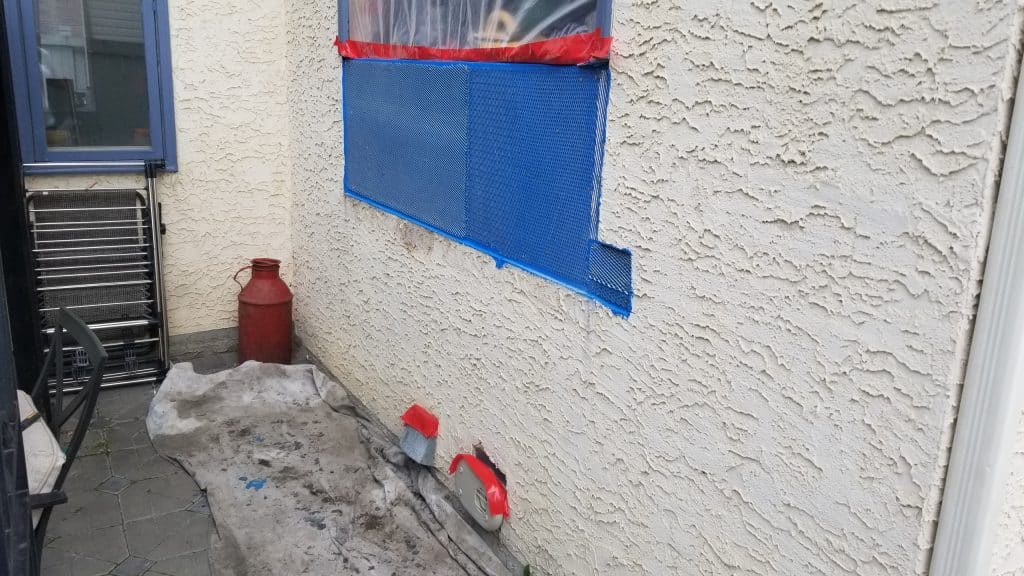
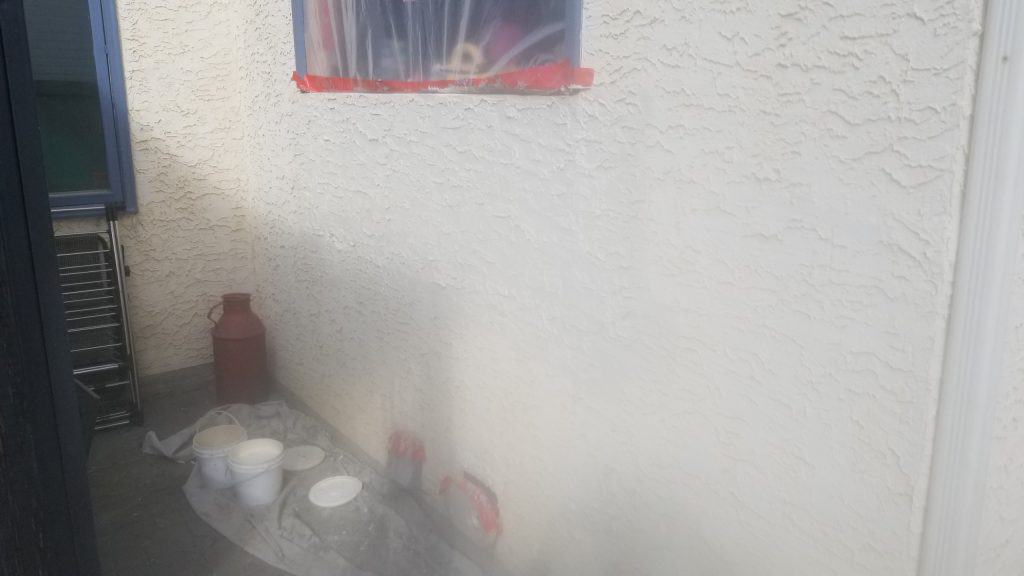
How Does Stucco Resurfacing Enhance Exterior Appearance and Durability?
Stucco resurfacing—through skim coats, acrylic overlays, or full color coats—can dramatically refresh curb appeal while adding a durable protective layer when substrate and detailing are sound. Resurfacing options enable texture replication and color updates without full replacement, and modern overlays can improve water-shedding and impact resistance when properly applied. Selecting the right resurfacing method depends on existing damage extent, substrate soundness, and desired aesthetics; the subsections below explain methods for texture matching, color coat application, and popular makeover ideas that balance appearance with longevity.
What Are the Options for Stucco Resurfacing and Texture Matching?
Resurfacing options include thin skim coats, acrylic or polymer-modified overlays, and complete re-coating systems that replicate textures like dash, skip trowel, or sand finishes while improving surface performance. Skim coats work for minor surface irregularities and color refresh, while acrylic overlays provide greater crack resistance and adhesion over prepared substrates. Texture matching often requires sample patches and experienced applicators to blend old and new surfaces invisibly. Consider durability, breathability, and compatibility with existing substrates when selecting a resurfacing approach.
How Is a Stucco Color Coat Applied for Long-Lasting Results?
A long-lasting color coat requires thorough surface prep, priming where recommended, multiple thin coats of factory-tinted finish using manufacturer-specified additives, and controlled curing to avoid rapid drying that can cause cracking. Use of integral color in finish coats reduces the need for future repainting, while elastomeric topcoats may be appropriate in high-UV or movement-prone areas to maintain uniform appearance. Proper application timing, substrate dryness, and matching batches across large walls prevent color variance and premature failure. Final inspection and touch-up patches ensure a cohesive, durable result.
What Are Popular Stucco Makeover Ideas for Home Renovation?
Popular stucco makeovers combine new textures and colors, accent trim in contrasting materials (wood, fiber cement), and partial resurfacing to highlight architectural features while preserving performance. Combining stucco with complementary materials—such as fiber cement siding on gables or board-and-batten accents—adds visual interest and can reduce total stucco surface exposure in high-failure zones. Choosing neutral base tones with strategic accent colors enhances curb appeal and resale potential without sacrificing long-term durability. Thoughtful design choices paired with correct detailing deliver both aesthetic and functional improvement
What Are the Differences Between Traditional and Synthetic Stucco in Restoration?
Traditional cement-based stucco and synthetic systems like EIFS differ fundamentally in composition, moisture behavior, and remediation approaches; understanding these differences guides restoration choices and when to consider alternatives like fiber cement siding. Cement stucco relies on portland cement and a layered scratch/brown/finish process that breathes differently than EIFS, which is a composite exterior insulation and finish system that relies on continuous membranes and finishing coats. EIFS can offer thermal performance but requires meticulous detailing to avoid trapping moisture, while cement stucco tolerates minor wetting better but can crack and delaminate if improperly installed. The table below compares attributes to aid decision-making.
Stucco Type | Attribute (durability, water resistance, cost, install complexity) | Typical Recommendation |
Cement-based stucco | Durable, breathable, moderate-high install complexity; susceptible to cracking without control joints | Recommended where breathable finish and proven mass wall performance are desired |
EIFS (synthetic) | High insulation potential, sensitive to moisture if details fail, requires skilled installers | Consider where continuous insulation is priority and details will be executed correctly |
Fiber cement siding | Very durable, low moisture risk, moderate cost, easier repair and replacement | Good alternative when repeated stucco failures occur or owners want less risk of moisture trapping |
How Do Traditional Cement-Based Stucco and EIFS Compare?
Traditional cement stucco uses multi-coat cementitious layers applied over lath and is reasonably tolerant of incidental wetting because it allows vapor movement, while EIFS includes insulation board bonded to the substrate with a textured finish and relies on perfect detailing to keep water out. Failure modes differ: cement stucco often cracks and delaminates from poor bond or movement, while EIFS failures are commonly due to detailing lapses that allow water into the insulated layers. Choice between them depends on performance priorities: durability and breathability favor cement stucco, while EIFS suits projects prioritizing continuous insulation when expertly detailed.
EIFS Cladding: Leakage and Deterioration Issues in Exterior Walls During the last ten years, the authors have investigated a number of buildings with leakage and deterioration problems associated with exterior walls clad with exterior insulation and finish systems (EIFS). These systems were “barrier” walls applied to materials that degrade rapidly from exposure to moisture, such as gypsum board sheathing. These wall systems lacked backup waterproofing and flashing elements and relied on surface seals as the sole means of controlling water penetration (leakage). While these systems are appealing due to their aesthetic features, light weight and insulating characteristics, they are vulnerable to performance problems as a result of failed surface seals, leakage through window frame corners and poor installation practices. Design of Engineered Drainable Exterior Insulation and Finish System (EIFS) Cladding, 2009
OUR SUPPLIERS
Every project is unique and requires a different approach. Working with variety of suppliers and manufacturers ensure that we deliver the best results.