
Cost Effective and High Quality
FOUNDATION PARGING: INSTALL & REPAIR
Residential - Commercial
GET A FREE ESTIMATE
TRADITIONAL COLORS
ACRYLIC COLORS
Professional Parging Contractor
We’ve been helping homeowners, builders, project managers and various contractors with various parging and related small construction projects over the last 10 years. Parging as a protective coating system helps the foundation walls against various elements such as ice, water, dirt and sun and provides protection against hazards like mold and rust. It also offers aesthetic benefits such as beautification of the walls with various textures and color options.
Solida Parging has been in the business over the last 6 years providing assistance to people and companies with various parging and related projects on a small to medium scale. Located in Edmonton, Alberta we offer free estimates within the greater city area limits including the surrounding areas.
Offering various services such as;
- Traditional textured
- Smooth textured
- Acrylic
- ICF based
- Pressure treated plywood based
We tend to take on many types of projects and cover various needs such as repairs and patching of the foundation, retaining and basement walls. Paying utmost attention to the details, we take care of almost all of the parts of the project from initial prep-up to the final clean up. A final walk around will be completed with the client for complete satisfaction, if the clients are not around however, visuals such as pictures and videos will be provided to the client.
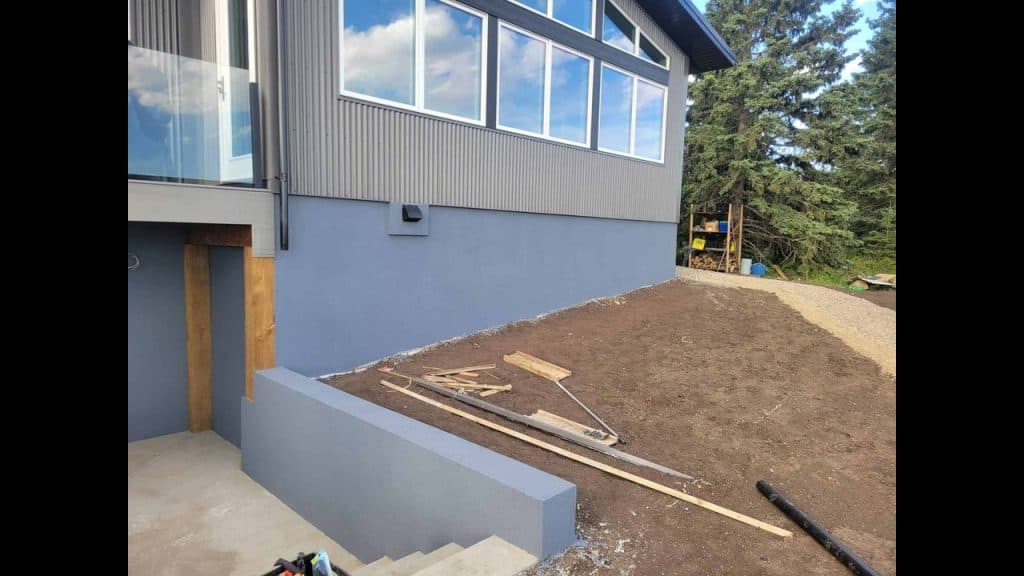
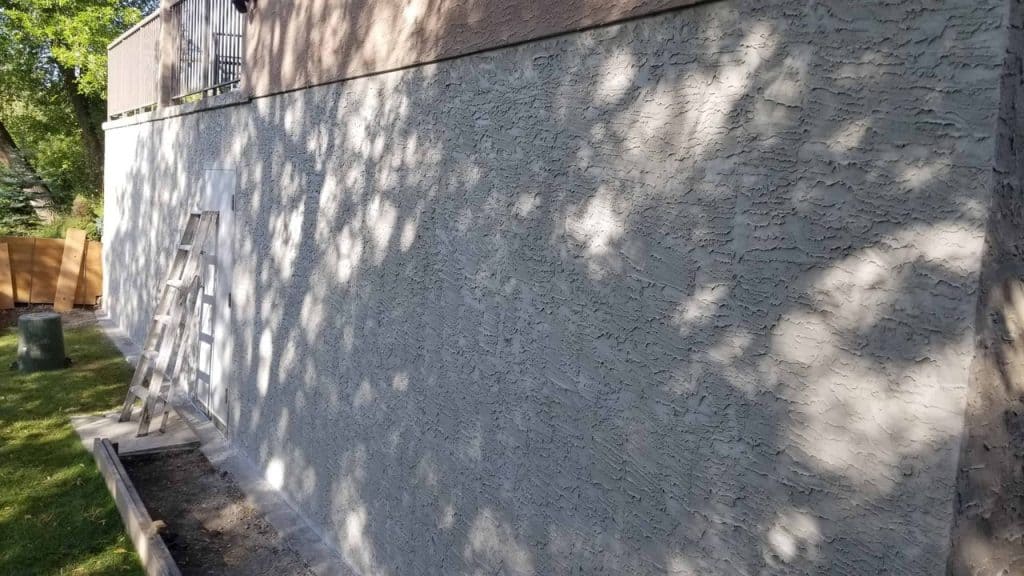
Parging Install Process
Parging is a thin coating of material which is particularly useful for the foundation and basement walls. It’s an efficient way to cover and strengthen the foundation with a coating that is very protective against various hazards and external factors. Contrary to common belief, concrete walls crumble and weaken over time and require protection with the proper parge coating. Same goes for the ICF foundations that is covered with Styrofoam that gets degraded and yellowish with UV rays (sunlight) and pressure treated plywood that gets swell and twisted due to long term exposure to wet conditions.
On a regular poured concrete foundation, we start with removing the pebbles, rocks and dirt away from the walls. If there are any metal pieces that stick out, we cut them off. We then wash the walls and make sure that it’s clean from dirt. Then, we make sure to apply vapour barrier membrane on top of the exposed wood plates and rim joists embedded with an A-mesh. If it’s needed or requested, we install flashings, usually on top of the basement windows and ventilation covers. We then apply concrete bonding adhesive prior to applying a thick parge coat. For ICF (Insulated Concrete Forms) foundations, we rasp the walls and install EIFS trims if necessary. With ICF and acrylic parging projects, we apply the parge coat embedded in fiberglass mesh. Then the texture and the color applied as requested. Premises will be cleaned and we will take of the final touch ups.
Parging Repair
If the parging is falling apart in sections and crumbling, it is a good time to consider a parging repair service that might bring out a fresh look to your foundation. Small cracks tend to cause no issues and considered normal, however deep cracks get dirt and water in them and cause parts of parging to fall off over time. Due to water getting in these cracks and freezing in winter meaning expanding in size and thawing in summer cause parge coating to fall off. Foundation shift is also a major reason of parging cracks, especially in places where garage and the main building connects, shifts cause parging sections to fall off.
There is also color changes of the parging that is caused by exposure to wet conditions over a long time. Parging soaks up the moisture and some amount of water and when the weather gets warm, it leaves stain marks that changes the color of the parging. This effect causes some parts of the parging to look darker and more matte. We provide parging repairs of all sorts within the vicinity of the greater Edmonton area, however for minor repairs such as cracks and patches, we prefer to request visuals such as pictures instead of visiting for a free estimate.
Parging installs and repairs offer aesthetic beauty to foundation walls while providing an extra layer of protection against various hazards. It’s a great idea to get your foundation walls look good while protecting the basement. Give us a call or shoot us an email and we’ll get back to you promptly.
What Is Parging and Why Is It Important for Foundations?
Parging, often called a parge coat, is a thin (typically 3/16″ to 3/8″) mortar layer applied to masonry and concrete foundation walls to create a uniform surface and reduce direct water pathways. The parge coat bonds to block faces and mortar joints, smoothing irregularities that otherwise collect moisture and accelerate deterioration. By smoothing and sealing vulnerable faces, parging reduces capillary water movement and limits surface erosion, while providing a substrate that accepts paint or waterproof coatings more evenly. This protective smoothing function makes parging a common best-practice on older block foundations, new builds where block faces remain exposed, and in repair work to restore decayed surfaces.
What Does Parging Mean in Construction?
Parging in construction refers to the application of a thin, trowel-applied mortar layer over masonry or concrete to improve durability and appearance. Traditionally, parge coats are thinner than stucco and are formulated to adhere tightly to block or poured concrete, bridging minor voids and covering mortar joints. Typical application contexts include unfinished basement walls, exterior block foundations, and chimney bases where a thin protective coat is preferable to full re-rendering. The coat thickness is controlled to avoid trapping moisture while still providing a cohesive, even finish.
How Does Parging Protect Foundation Walls?
Parging protects foundation walls primarily by covering open pores and joints that act as entry points for water, salts, and freeze-thaw cycles that cause spalling. The parge coat interrupts direct capillary pathways across block faces, reducing moisture penetration and limiting the progression of efflorescence and surface flaking. While parging improves surface resistance to weathering, it is not a substitute for a full waterproof membrane or proper drainage; instead, it complements exterior waterproofing and foundation drainage systems to extend the life of masonry. Proper adhesion and crack resistance are essential to maintain this protective function over time.
What Materials Are Used in Parging Mixes?
Common parging mixes combine Portland cement, hydrated lime, clean masonry sand, and water to produce a workable, adhesive mortar. Additives such as acrylic modifiers, polymer bonding agents, and short fibers improve flexibility, adhesion, and crack resistance on challenging substrates. Preblended proprietary parge products simplify mixing by providing a measured cement-lime balance and tailored additives; contractors often choose additives depending on climate, substrate movement, and desired finish. Selecting the right base components and modifiers ensures the parge coat performs for years without brittle failure.
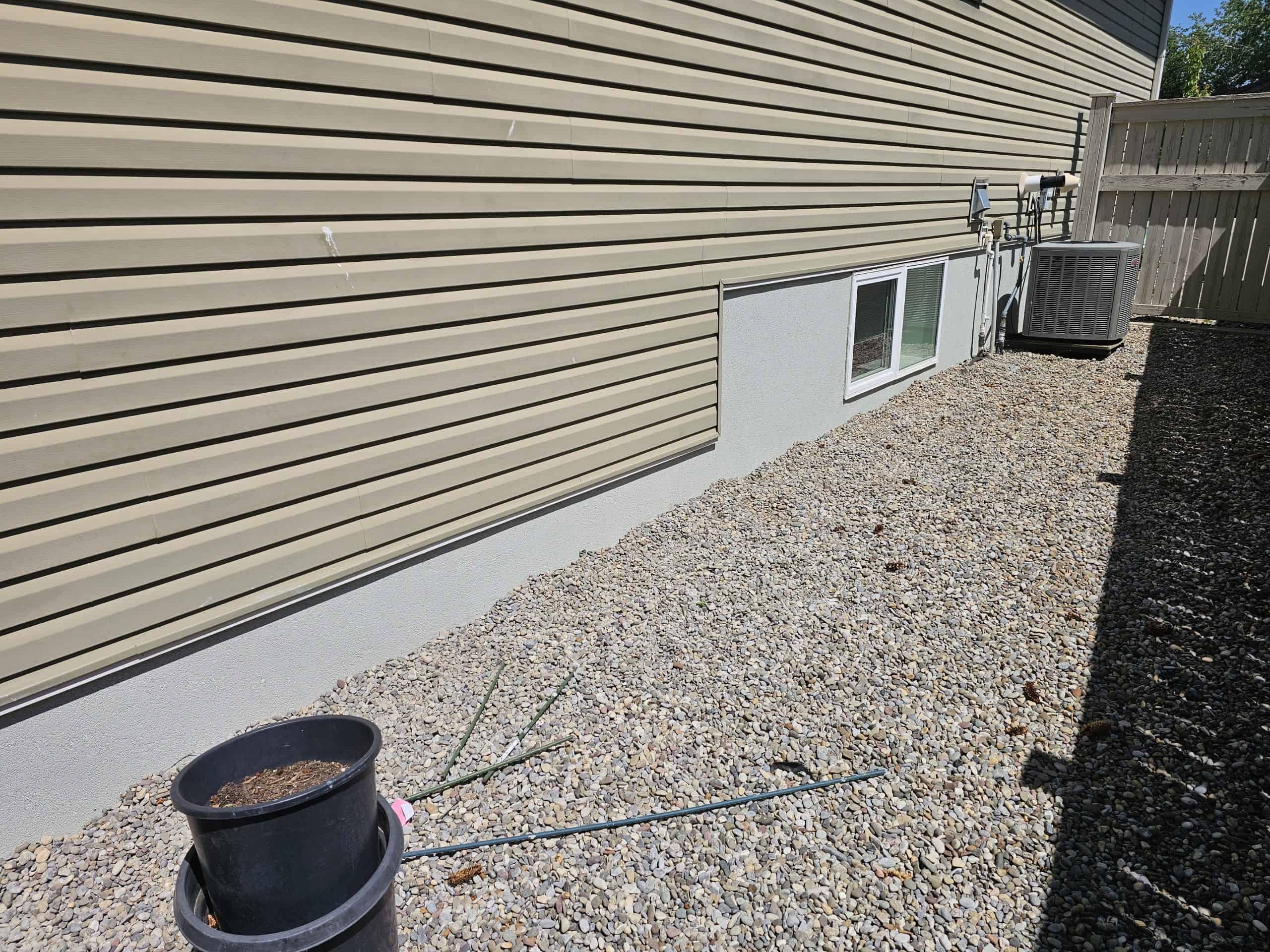
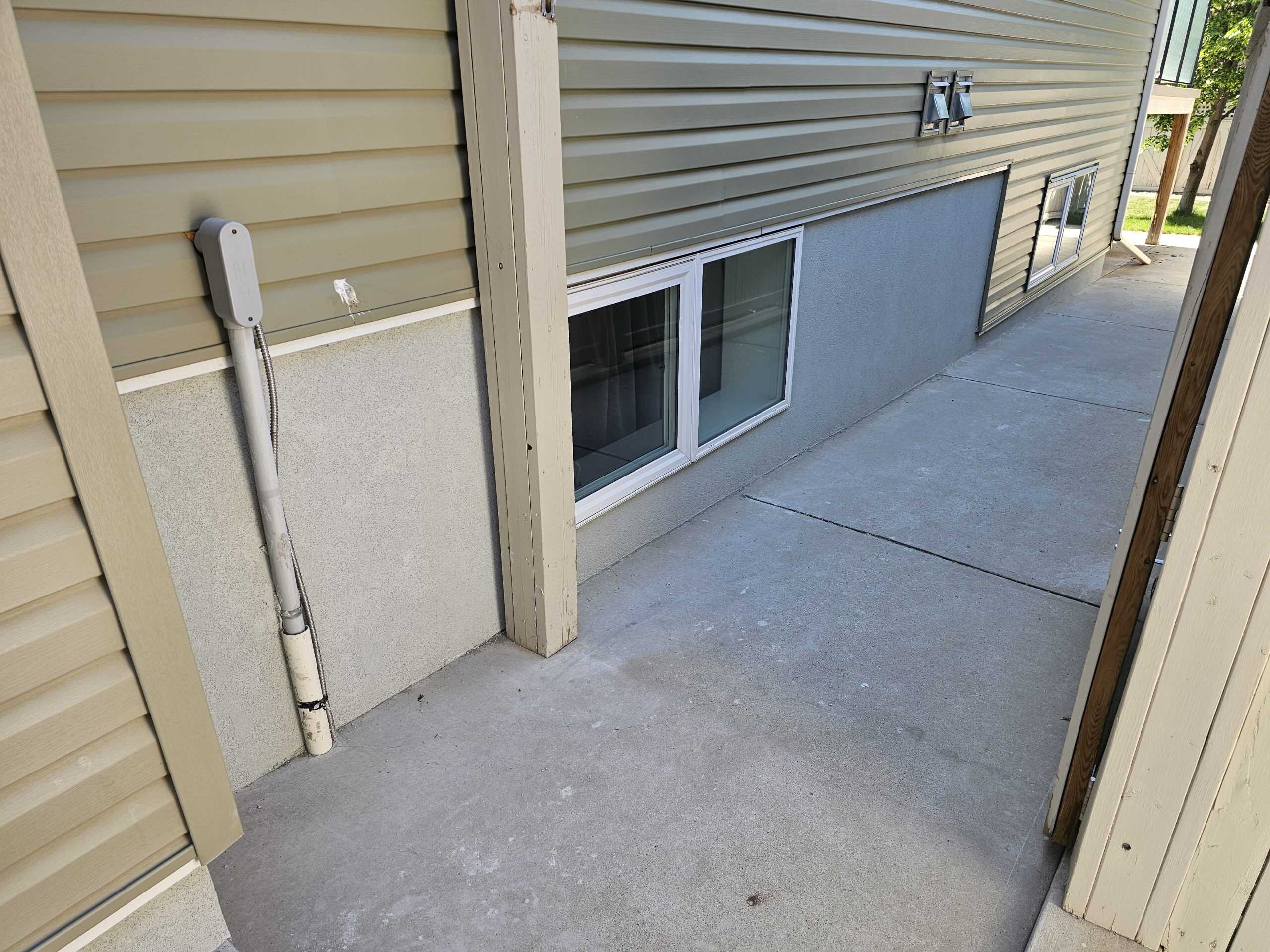
What Is Parging and Why Is It Important for Foundations?
Parging, often called a parge coat, is a thin (typically 3/16″ to 3/8″) mortar layer applied to masonry and concrete foundation walls to create a uniform surface and reduce direct water pathways. The parge coat bonds to block faces and mortar joints, smoothing irregularities that otherwise collect moisture and accelerate deterioration. By smoothing and sealing vulnerable faces, parging reduces capillary water movement and limits surface erosion, while providing a substrate that accepts paint or waterproof coatings more evenly. This protective smoothing function makes parging a common best-practice on older block foundations, new builds where block faces remain exposed, and in repair work to restore decayed surfaces.
What Does Parging Mean in Construction?
Parging in construction refers to the application of a thin, trowel-applied mortar layer over masonry or concrete to improve durability and appearance. Traditionally, parge coats are thinner than stucco and are formulated to adhere tightly to block or poured concrete, bridging minor voids and covering mortar joints. Typical application contexts include unfinished basement walls, exterior block foundations, and chimney bases where a thin protective coat is preferable to full re-rendering. The coat thickness is controlled to avoid trapping moisture while still providing a cohesive, even finish.
How Does Parging Protect Foundation Walls?
Parging protects foundation walls primarily by covering open pores and joints that act as entry points for water, salts, and freeze-thaw cycles that cause spalling. The parge coat interrupts direct capillary pathways across block faces, reducing moisture penetration and limiting the progression of efflorescence and surface flaking. While parging improves surface resistance to weathering, it is not a substitute for a full waterproof membrane or proper drainage; instead, it complements exterior waterproofing and foundation drainage systems to extend the life of masonry. Proper adhesion and crack resistance are essential to maintain this protective function over time.
What Materials Are Used in Parging Mixes?
Common parging mixes combine Portland cement, hydrated lime, clean masonry sand, and water to produce a workable, adhesive mortar. Additives such as acrylic modifiers, polymer bonding agents, and short fibers improve flexibility, adhesion, and crack resistance on challenging substrates. Preblended proprietary parge products simplify mixing by providing a measured cement-lime balance and tailored additives; contractors often choose additives depending on climate, substrate movement, and desired finish. Selecting the right base components and modifiers ensures the parge coat performs for years without brittle failure.
How Does Parging Improve Home Aesthetics and Curb Appeal?
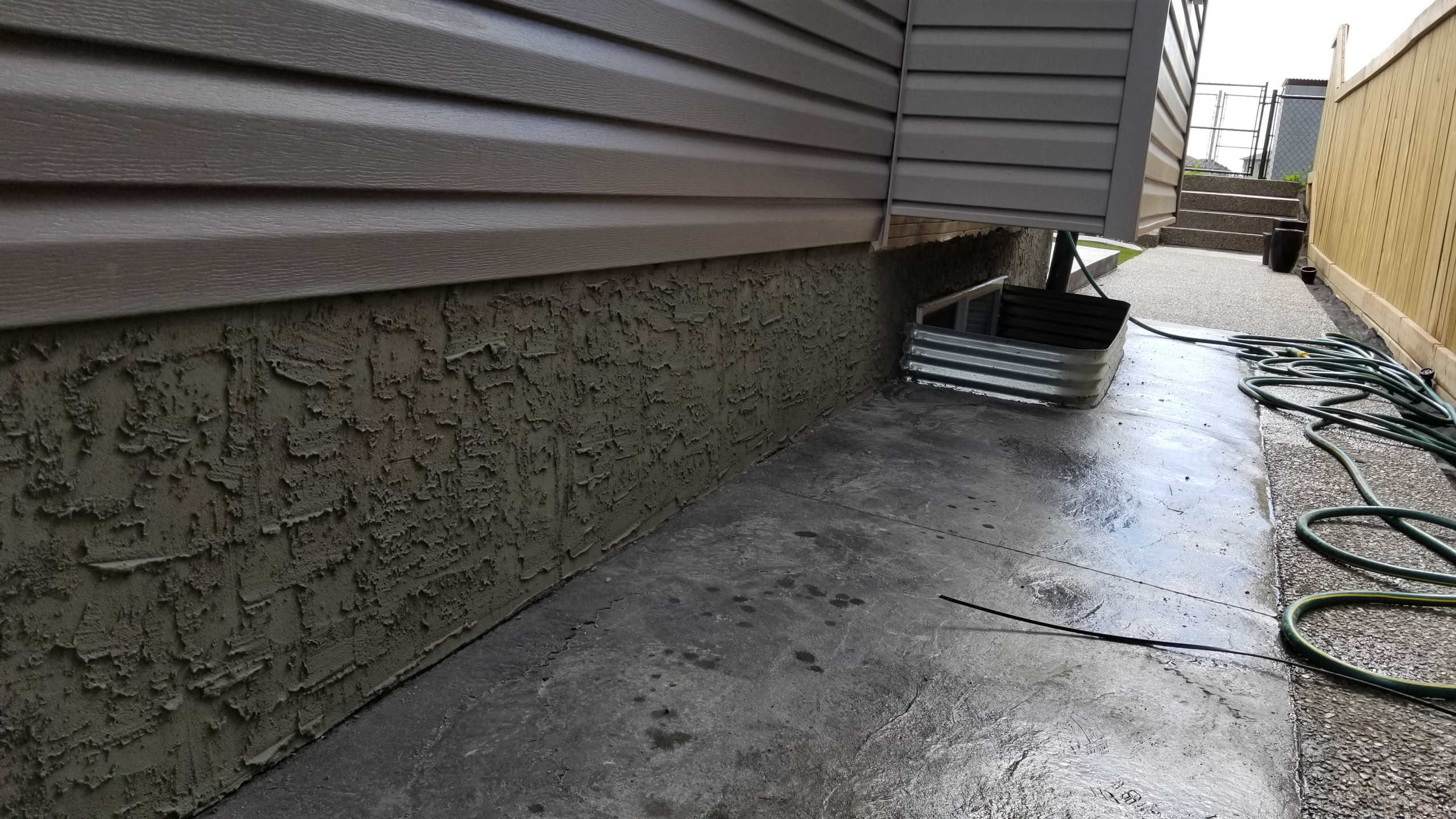
A uniform parge coat smooths uneven masonry, conceals patchwork, and creates a clean surface ready for paint or integral color finishes, which immediately enhances a home’s perceived quality. Different textures—from smooth trowel finishes to light broom or stipple textures—allow parging to match architectural styles while making the foundation visually consistent with siding or landscaping. When combined with color-stable paints or pigmented parge mixes, the foundation can read as an intentional design element rather than an unfinished component, which supports curb appeal and marketability. The aesthetic upgrade is often the first visible benefit homeowners notice after parging.
What Are the Key Benefits of Parging for Homes?
Parging delivers a blend of practical protections and visual improvements that support foundation longevity and home appearance. It reduces moisture pathways across block faces, improves the substrate for paint or coatings, and seals minor crevices that can harbor pests or permit air leakage. These performance gains translate into slower material degradation and a neater exterior presentation. In some cases—especially when manufacturers or warranties require professional application—choosing a professional applicator can help ensure warranty eligibility and maximum durability, though many small patch jobs are suitable for competent DIYers.
How Does Parging Provide Moisture Protection and Waterproofing?
Parging reduces moisture intrusion by smoothing block faces and filling hairline voids and mortar joints, interrupting continuous capillary paths that draw water inward. This barrier effect lowers the rate of water migration into interior spaces and protects against surface erosion, but parging itself is vapor-permeable and not a full waterproof membrane. Best practice pairs parging with exterior drains, membranes, or coatings where hydrostatic pressure or significant groundwater exposure exists. When combined appropriately, parging contributes meaningfully to an integrated waterproofing strategy.
- The parge layer smooths and seals mortar joints to reduce capillary flow.
- Parging is vapor-permeable; combine with membranes for full waterproofing.
- Proper drainage and grading remain essential to overall foundation moisture control.
This explanation makes clear why parging is a valuable component of layered protection rather than a single solution.
Benefit Area | Mechanism | Practical Outcome |
Moisture resistance | Fills joints and pores | Reduced water ingress at surface |
Surface restoration | Smoothing and bonding | Paintable, uniform finish |
Pest deterrence | Seals small entry points | Fewer insect/rodent access paths |
What Does Parging Mean in Construction?
Parging in construction refers to the application of a thin, trowel-applied mortar layer over masonry or concrete to improve durability and appearance. Traditionally, parge coats are thinner than stucco and are formulated to adhere tightly to block or poured concrete, bridging minor voids and covering mortar joints. Typical application contexts include unfinished basement walls, exterior block foundations, and chimney bases where a thin protective coat is preferable to full re-rendering. The coat thickness is controlled to avoid trapping moisture while still providing a cohesive, even finish.
Can Parging Help with Pest Control and Energy Efficiency?
Parging can limit small entry points and gaps in block walls that insects and rodents exploit, reducing easy access at the foundation level. Additionally, a continuous parge coat reduces convective air movement through porous masonry, offering minor improvements in thermal performance when combined with other envelope upgrades. However, parging is not a substitute for targeted pest remediation or insulation; its energy benefits are modest and should be viewed as supplementary to dedicated air-sealing and insulating measures. For pest-sensitive properties, parging is one preventative layer among several.
How Does Parging Contribute to Foundation Longevity and Structural Integrity?
By shielding block faces and mortar joints from direct weathering and freeze-thaw cycles, parging slows the deterioration processes that undermine masonry over time. Covering vulnerable faces reduces spalling and mortar erosion, which preserves the load-bearing and moisture-control functions of the foundation. That protective role depends on correct mix design, adequate adhesion, and maintenance to prevent water entrapment behind the coat. Properly applied parging therefore extends service life and reduces the frequency of disruptive repairs.
What Are the Aesthetic Benefits of Parging for Exterior Walls?
Parging enables consistent texture and color across foundation surfaces, which simplifies finishing decisions and improves visual integration with landscaping and cladding. Options include smooth trowel finishes that read like continuous concrete and lightly textured finishes that hide minor imperfections while accepting paint well. Integral color or exterior masonry paints can then be used to further customize appearance. For homeowners seeking immediate curb appeal gains, parging delivers both concealment of defects and a cleaner architectural base for exterior design choices.
What Types of Parging Materials and Techniques Are Available?
There are multiple parging approaches—cement-based, acrylic-modified, lime-based, and decorative parge coats—each with distinct performance profiles for flexibility, breathability, and finish. Choice depends on substrate type, expected movement, exposure to moisture and salts, and aesthetic goals. Cement-based mixes are economical and durable but can be prone to hairline cracking without reinforcement, while acrylic parges add flexibility and color options at higher cost. Understanding trade-offs enables an informed selection that balances durability and appearance.
What Is Cement-Based Parging and When Is It Used?
Cement-based parging mixes (Portland cement, lime, sand) are widely used for durable protective coats on block or poured concrete, offering strong adhesion and abrasion resistance. They are common where structural durability is a priority—such as lower walls exposed to splash or mechanical wear—but require careful crack-control measures like control joints, fiber additives, or embedded mesh to prevent brittle failure in moving substrates. Cement parges are often the go-to for repair work where matching structural characteristics is important.
How Does Acrylic Parging Differ from Cement Parging?
Acrylic-modified parges incorporate polymer binders that increase flexibility, adhesion, and color stability compared with plain cement mixes. The acrylic component reduces the risk of hairline cracking, improves resistance to freeze-thaw cycling, and enables vibrant integral coloring or easier painting. Trade-offs include higher material cost and reduced breathability in some formulations, so acrylic parges are selected where movement, adhesion, or finish quality is prioritized over absolute economy.
What Are the Differences Between Parging and Stucco?
Although both are mortar-based exterior finishes, parging is a thin protective coat focused on sealing and smoothing, while stucco is a thicker, often multi-layered finish designed for decorative cladding and weather protection. Stucco systems are typically 3/4″ or thicker with base coats, reinforcement, and finish coats; they provide greater aesthetic variety and weather resistance but require more substrate preparation. Parging is chosen when a thin, economical protective layer is sufficient or when only foundation surfaces are being addressed.
Parging Type | Attribute | Typical Use |
Cement-based | High compressive strength, economical | Structural repair, durable finish |
Acrylic-modified | Flexible, color-stable | Areas with movement or decorative finishes |
Lime-parge | Breathable, traditional | Historic restoration, gentle substrates |
What Reinforcements Are Used in Parging Mixes?
Reinforcements include embedded metal or polymer mesh, chopped fibers, and bonding agents that improve tensile capacity and bridge hairline gaps. Mesh is commonly embedded between a scratch and finish coat on larger areas to control cracking, while synthetic fibers provide distributed reinforcement within the mortar matrix. Bonding agents and primers promote adhesion on dense or previously coated substrates; choosing the right reinforcement depends on wall size, expected movement, and prior failure modes.
How to Parge a Foundation: Step-by-Step Application Guide
A successful parging job depends on thorough surface preparation, correctly mixed mortar, the right tools, and proper curing to achieve durable adhesion and a consistent finish. The following numbered steps outline a practical workflow for intermediate DIYers and professionals alike, emphasizing inspection and moisture control before a single trowel stroke. Safety equipment and environmental controls (temperature, humidity) also shape timing and methods to avoid adhesion failures or premature drying.
- Inspect and prepare the wall: remove loose material, repair spalled areas, and ensure substrate is sound.
- Prime or apply bonding agent where recommended to improve adhesion on smooth or painted surfaces.
- Mix mortar to a cohesive, trowelable consistency; add acrylic or fiber modifiers if specified.
- Apply a scratch coat to embed mesh on large areas, then a finish coat to desired thickness and texture.
- Cure appropriately, keeping the coat moist if conditions are hot or dry, and avoid backfilling until fully set.
These steps provide a high-level roadmap; the next subsections cover preparation, mixing, tools, application techniques, and curing specifics in more detail.
How Should You Prepare the Surface Before Parging?
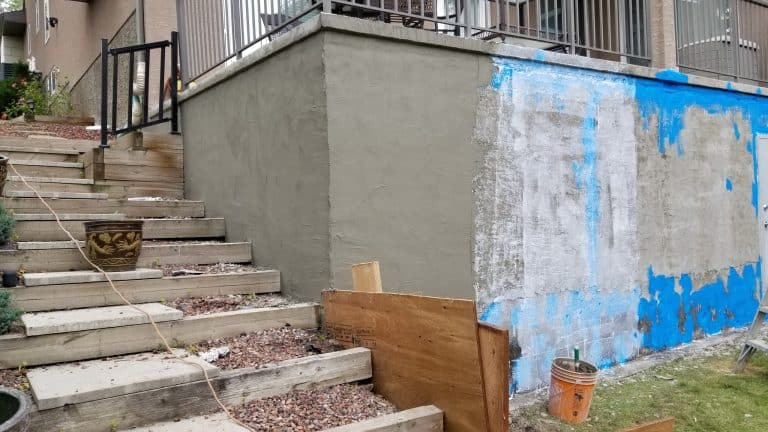
Surface preparation begins with a thorough inspection to identify loose mortar, delaminated patches, or structural cracks that require repair before parging. Cleaning methods include wire-brushing, pressure washing at appropriate settings, and abrasive removal of loose material; follow cleaning with adequate drying time to avoid trapping moisture. Large defects should be patched using compatible concrete or mortar repair products, and bonding agents or primers applied on smooth concrete to promote adhesion. Proper prep is the single most important factor in achieving a long-lasting parge coat
What Is the Best Way to Mix Parging Mortar?
Mix mortar in a clean mixer or with a drill-and-paddle to a lump-free consistency that holds on a trowel without slumping—typically a stiff but workable mix. Start with dry ingredients (cement, lime, sand) then add water and any polymer admixture per manufacturer guidance; add fibers last ensuring even distribution. Test small batches for workability and set time, keeping mixes small in hot weather to avoid waste. Safety precautions include dust control and protective equipment for skin and eyes.
What Tools Are Needed for Applying Parging?
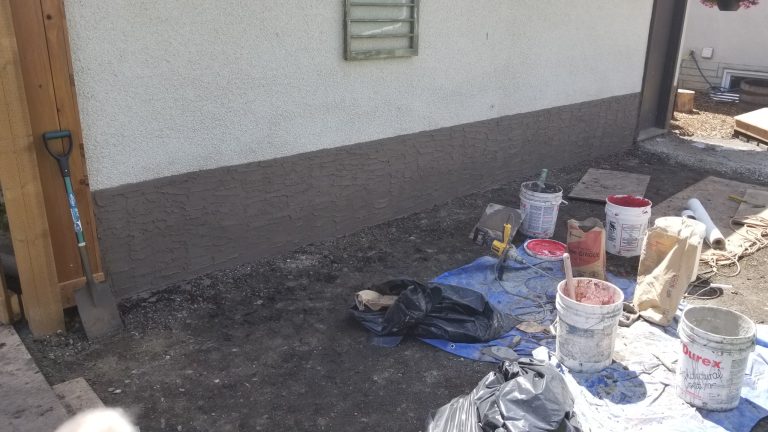
Essential tools include a hawk and trowel for applying and leveling, a margin trowel for tight areas, a float for finishing textures, and a mixing drill or mortar mixer for consistent batches. Optional items that improve efficiency are a scratch comb for scratch coats, embedding mesh for reinforcement, and a masonry brush for final texture options. Proper tool maintenance—cleaning with water before mortar hardens—extends tool life and improves finish quality.
What Are the Proper Techniques for Applying and Texturing Parging?
Apply parging in controlled thin layers, using a scratch coat when embedding mesh on large areas to provide a mechanical key for the finish coat. Control thickness to manufacturer recommendations—usually under 1/2″ total—and use consistent trowel strokes to avoid ridges and voids. For texture, use a float for smooth finishes, a broom for subtle texture, or stippling tools for decorative effects; perform final tooling before full set to achieve uniform appearance. Avoid overworking the mortar, which can weaken surface cohesion.
How Long Does Parging Take to Cure and Dry?
Initial set occurs within hours, but full cure for parge coats typically takes several days to weeks depending on mix, thickness, and environmental conditions; plan at least 7 days before light handling and up to 28 days for full strength. High temperatures and low humidity accelerate drying and can cause cracking; maintain moisture with light misting when recommended to promote proper cement hydration. Do not backfill against freshly applied parging until the coat has sufficient cure to resist disturbance.
When to call a professional parging contractor
Complex conditions—large wall areas, significant structural cracking, recurring moisture under hydrostatic pressure, or substrates with unknown coatings—warrant a licensed masonry contractor who can evaluate structural issues, specify reinforcement, and ensure warranty-compliant application. Professional help is also recommended for projects requiring integrated waterproofing or where safe excavation and shoring are necessary. For straightforward cosmetic or small-area repairs, experienced DIYers may proceed using the steps above, but professionals reduce risk on larger or risk-prone jobs. Give us a call or send us an email to get your free estimate.
What Are Common Parging Problems and How Can They Be Repaired?
Common parging failures include cracking, spalling, delamination, efflorescence, and staining; each problem has distinct root causes—freeze-thaw damage, poor adhesion, improper mixes, or trapped moisture. Effective repair begins with diagnosing the failure mode, removing unsound material, addressing the underlying moisture or movement issue, and selecting compatible repair mortars and reinforcement. Preventive maintenance—inspection, targeted patching, and drainage management—keeps minor issues from becoming structural repairs.
What Causes Cracks and Spalling in Parging?
Cracks and spalling commonly arise from freeze-thaw cycles, substrate movement, or poor mix proportions that produce a brittle coat. Inadequate surface prep and failure to embed reinforcement across large spans also encourage crack propagation. Salt intrusion and repeated wetting/drying cycles accelerate flaking and spalling. Diagnostics include locating patterns (vertical, horizontal, mapped areas) and probing adhesion to determine whether issues are surface-only or indicate deeper substrate distress.
How Do You Repair Cracked or Damaged Parging?
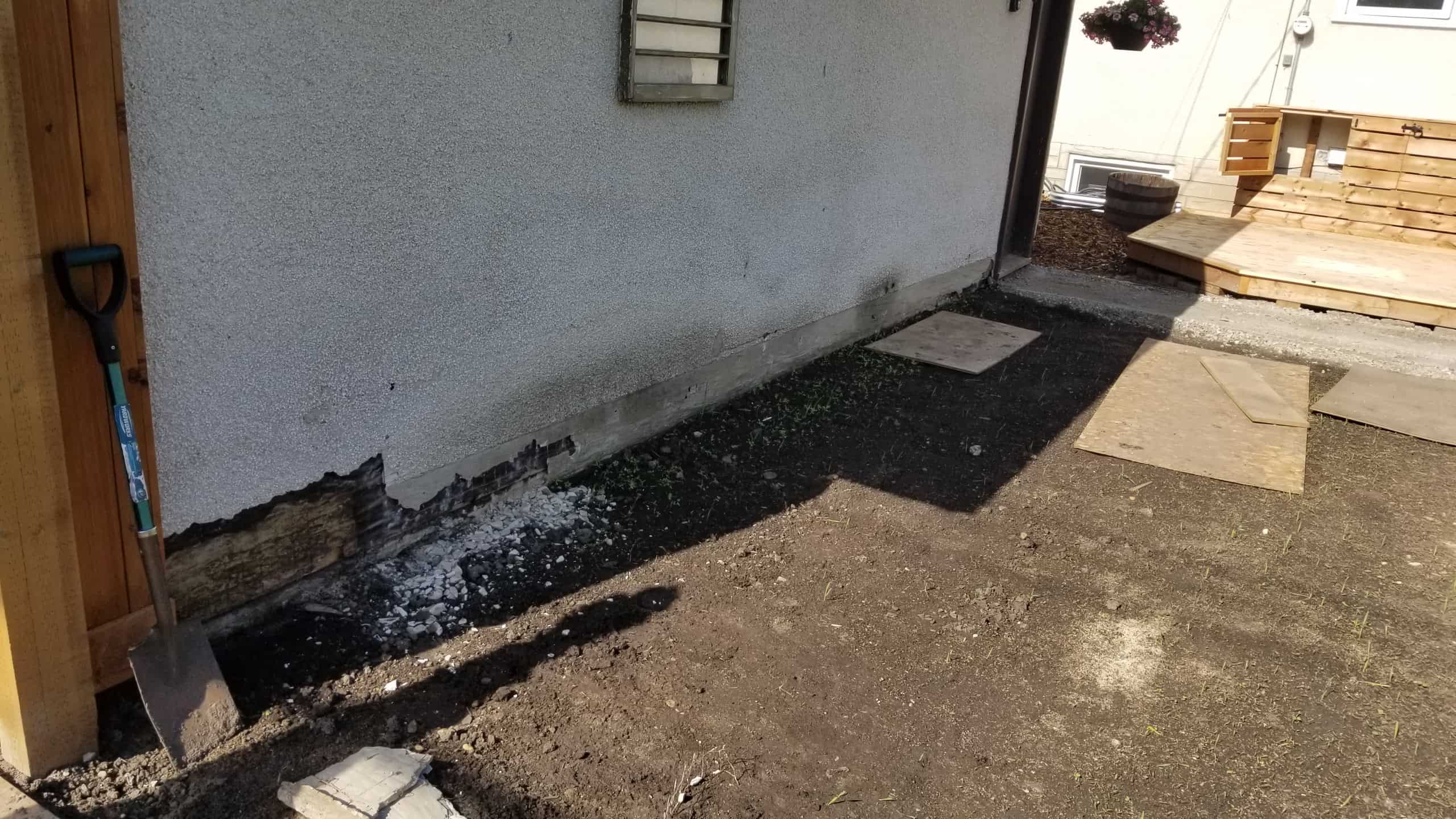
Repair approaches vary by severity: hairline cracks often accept routing, cleaning, and filling with a compatible repair mortar or flexible sealant, while areas with delamination require removal to sound substrate followed by priming and re-parging. For larger spalled zones, cut back to sound masonry, patch with repair mortar, and feather in a parge finish that matches existing texture. Use bonding agents on smooth surfaces and ensure proper curing to avoid recurring failures.
- Inspect and mark damaged areas before work begins.
- Remove unsound material to solid edges and clean surfaces.
- Apply compatible repair mortar, embed reinforcement if needed, and finish to match texture.
This checklist captures the primary repair workflow and emphasizes diagnosis before cosmetic fixes.
When Is It Necessary to Reapply or Replace Parging?
Full reapplication is advisable when damage is widespread (more than isolated patches), adhesion failure is extensive, or repeated repairs have not held—indicating systemic issues such as poor initial prep or chronic moisture. If multiple repairs would together cover a large percentage of the wall, replacement delivers longer-term value. Decision criteria include extent of delamination, recurring efflorescence, and evidence of structural moisture sources that must be corrected prior to reapplication.
What Are Long-Term Maintenance Tips to Extend Parging Life?
Regularly inspect parged foundations annually for hairline cracks, staining, and soft spots; perform small repairs promptly to prevent escalation. Maintain proper grading and guttering to direct water away from foundations, and avoid planting close to walls where soil moisture can remain high. Repaint or reseal finishes as recommended by product manufacturers to maintain UV and weather resistance. A proactive maintenance schedule extends service life and reduces the need for large-scale re-parging.
How Much Does Parging Cost and When Should You Hire a Professional?
Parging costs vary widely by area, wall condition, accessibility, materials, and labor rates; key cost drivers include surface prep, extent of repairs, choice of parge material (cement vs acrylic), and required reinforcements. For budgeting, expect materials and labor combined to scale with square footage plus fixed repair charges for patching and remediation. Homeowners should obtain multiple written estimates from licensed masonry contractors, request itemized scopes, and evaluate experience with parging specifically. When complexity, warranty needs, or structural concerns exist, hiring a professional is often the prudent choice.
Cost Component | Attribute | Typical Impact |
Materials | Cement/lime, additives | Moderate per-sq-ft increase if acrylic or pigments used |
Labor | Trowel application skill | Major portion of total cost; higher for detailed finishes |
Prep/Repair | Crack/surface remediation | Can add fixed charges for patching and mesh work |
What Factors Affect the Cost of Parging a Foundation?
Cost drivers include square footage, height and accessibility of walls, extent of surface repairs required, choice of materials (polymer-modified mixes cost more), reinforcement needs, and local labor rates. Additional factors such as the need to excavate for exterior parging, backfill coordination, or integrated waterproofing substantially increase project scope and cost. Understanding these drivers helps homeowners compare estimates on an apples-to-apples basis.
Can You Do Parging Yourself or Should You Hire a Contractor?
DIY parging can suit small patches and experienced homeowners comfortable with mortar mixing, trowel techniques, and safety precautions, but larger areas, complex substrates, or jobs requiring waterproofing integration are better handled by professionals. Consider skill, time, tool access, and risk: contractors offer efficiency, consistent finish quality, and liability protection that many DIYers cannot match. For work that may affect structural performance or warranty conditions, hiring a licensed masonry contractor is recommended.
How to Find and Choose a Reliable Parging Contractor?
When vetting contractors, request written estimates with itemized scopes, verify appropriate insurance and local licensing where required, and ask for photos or references of recent parging projects. Ask specific questions about substrate assessment, reinforcement strategies, and curing procedures. Red flags include vague scopes, unusually low bids without inspection, or reluctance to provide references. Comparing multiple local masonry or foundation specialists helps ensure fair pricing and a contractor whose approach matches the job’s technical needs.
Decision Item | Attribute | What to Request |
Estimate clarity | Itemized scope | Labor, materials, prep, reinforcement |
Qualifications | Insurance/licensing | Proof of coverage and references |
Warranty | Coverage terms | Written guarantee for workmanship |
Is Parging Fully Waterproof?
No—parging is not fully waterproof; it reduces surface water penetration and fills joints but remains vapor-permeable and is not designed to resist hydrostatic pressure on its own. For structures exposed to groundwater or high lateral pressure, pair parging with exterior membranes, drainage boards, or interior/exterior drainage systems to achieve full waterproofing performance.
Can You Parge Over Old Parging?
Yes, you can parge over existing parge coats if the old layer is sound, well-adhered, and free of efflorescence or delamination. Surface prep involves cleaning, mechanical keying, and using a bonding agent where adhesion is uncertain; remove and replace sections where the old coat fails to bond to prevent new failures.
How Long Does Parging Typically Last?
Typical lifespans range from several years to decades depending on material choice, climate exposure, substrate movement, and maintenance; cement-based parges properly applied and maintained can last decades, while poorly prepared or thin applications will fail much sooner. Regular inspections and targeted repairs extend functional life significantly.
What Is the Best Mix for Durable Parging?
A durable parging mix commonly includes Portland cement, hydrated lime for workability and flexibility, clean masonry sand, and water; polymer modifiers or acrylic admixtures increase adhesion and crack resistance. Use manufacturer recommendations for preblended systems and follow safety and mixing guidance to ensure consistent results.
How Does Parging Compare to Other Foundation Coatings?
Parging offers a thin, economical protective coat that smooths and seals masonry, while membranes provide impermeable barriers against water and stucco delivers thicker decorative finishes with higher weather resistance. Combinations—parging plus membrane or parging as a substrate for paint—are common to leverage each method’s strengths depending on site conditions and performance goals.
- Parging: thin, smoothing, breathable protection.
- Membranes: waterproof, required under hydrostatic conditions.
- Stucco/render: decorative, thicker, more weather-resistant finish.
This comparison helps define when to choose parging alone or as part of a layered foundation-protection strategy.
OUR SUPPLIERS
Every project is unique and requires a different approach. Working with variety of suppliers and manufacturers ensure that we deliver the best results.





QUESTIONS
What is parging?
Parging is a thin layer of coating that is mainly used to cover foundations, retention walls and masonry-based structures. It consists of cement, sand, lime, adhesive, mesh and plaster of all kinds depending on the requirements and project needs. Usually, it’s an exterior coating that offers protection to the substrate that it’s applied on.
It’s also known as foundation stucco.
What is the purpose of parging?
Parging is a useful coating system that protects the foundations against hazardous elements such as weather, rain, ice, pests and dirt.
Compared to how poured concrete, ICF and pressure treated plywood walls look, it provides aesthetics with various designs and textures. It offers moisture and water control. It is recommended to apply a parge coat for an additional layer of water control prior to doing work below the ground on foundations. (Canadian Wood-Frame House Construction, 2013)
Can I do parging myself? (DIY TIPS)
Yes. With some hard labour work and experience in using the right tools, it’s possible, however it’s not considered a DIY project for most people. It is recommended that you try your hand on fixing the cracks and applying small patches first.
Here is a list of to do things that you should follow;
- Clean the concrete from bumps and metal pieces that are sticking out. If there is an existing parging, remove all loose and crumbling parts. For the remaining parts and sections, use a good amount of force to check that they are solid and strong in place.
- Clean the work area.
- If there are wooden pieces placed into the concrete walls such as support beams or lumber on the side of the doors and connection points of two structures such as garages and buildings etc., apply a product such as water‐based copolymer rubber air barrier or install a metal lath to help the parge mix to stick to such surfaces. If the foundation is ICF (Insulated Concrete Forms), the best practice is to rasp the walls prior to applying the parging embedded in fiberglass mesh.
- Clean and scrape the concrete walls, then use water for a thorough clean up. For ICF foundations, use a rasping tool to level the surface and help parge mix to stick on it better. If water-based copolymer air barrier used on the wooden walls, the product should be allowed to dry.
- Apply concrete bonding adhesive on concrete walls, the adhesive should be visible and damp on the walls before application.
- Use the right tools such as trowels, apply the parge mix onto the wall. Press the trowel to the walls at an angle using the necessary force so that the parge mix sticks nicely.
- On plywood walls and ICF foundations, use mesh embedded in the parging coat.
- Depending on your choice of texture, make the parge coat as smooth as possible. It is recommended that for some textures such as acrylic finishes, the parging should be as smooth as possible. However, traditional parging textures does not require the main layer to be smooth as much since the texture itself covers imperfections.
- Clean the work area.
Where to buy the materials?
There are various suppliers and manufacturers that provides the necessary materials for a parging project. However, concrete adhesive and some materials require a little bit more research.
How long for it to cure?
Depending on the thickness, parging requires at least 2 days for it to settle and dry nicely. It might take up to a season for it to cure completely and become durable and rigid.
How to maintain?
When it is wet, don’t touch it. You can clean the parging using a hose nozzle or a brush after couple of days.
Can I paint the parging?
You can after it cures however, good quality exterior stucco paint would be the best to use. We don’t recommend using elastomeric based paints, even if it says stucco paint on it. Elastomeric paints are rubbery and has waterproofing qualities, meaning it blocks the air and the water, however parging and traditional stucco needs to breathe and moisture is actually good for it.
Why does my parging fall off and crumble?
- Usually due to lack of expertise and wrong material usage. The parge coat and concrete wall that it’s applied to should be both wet, meaning that concrete wall must be washed and using a concrete bonding agent is highly required. If the base is too dry, it can make the parge mix dry out faster than required and cause an improper sticking to the substrate.
- The sections of a building such as garage or foundation shifting can cause parging to get deep cracks and make it fall off in sections.
- Improper installation on substrates such as foundation tars and membranes can also cause parging to fall of.
- During the settling process, the parging is brittle and susceptible to crumbling. It is very durable and tough after it cures.
Why does my parging has cracks?
The reason is that it absorbs moisture and during winter this water freezes, which expands in solid form which then thaws and becomes liquid, leaving expanded openings which turn into cracks, similar to asphalt road potholes.
Can I install parging over foundation tar?
Yes. A metal mesh needs to be installed on the concrete on top of the tar. Parge mix does not stick to the foundation tar.
Can you install parging over dimple wraps?
No you cannot.
However, it’s possible to install parging on the foundation by lowering the dimple wraps to the ground level using the right techniques without compromising the safety of the dimple wrapping by following the requirements of the manufacturer.