
Cost Effective and High Quality
EDMONTON
STUCCO REPAIR SERVICES
Residential - Commercial
GET A FREE QUOTE
EIFS Repairs
Stucco Repairs
Professional Stucco Repairs in Edmonton
Solida Coatings has been helping homeowners, builders, contractors, developers and property managers throughout Edmonton and surrounding areas for over 14 years with stucco repair projects. It is our mission to provide best results for your building’s exterior cladding system.
Solida Coatings is a stucco contractor offering exterior coating services for both residential and commercial properties. Solida Coatings takes on any size and kind of repair project with ease, using only use top quality materials from reputable suppliers which helps provide better results for your project. Solida Coatings offers free estimates for stucco repair projects in greater Edmonton and surrounding areas.
Stucco Repair Services
Due to external factors or negligence while installing, stucco might have problems that require repairs. Stucco repair in Edmonton requires a local, climate-aware approach because of freeze-thaw cycles, moisture intrusion, and settlement create specific failure patterns in exterior cladding. Solida Coatings can easily solve your stucco related problems. Whether it’s water leakage, damaged walls or color fades, we’ll be more than happy to provide you with the best results. We offer the following stucco repair services;
- EIFS Repairs
- Cement Stucco Repairs
- Water Leakage & Moisture Damage Repairs
- Crack Repairs
- Blistering and Bubbling Repairs
- Woodpecker Damage Repairs
If the damage is too serious for a stucco repair service, it is highly recommendable to go with stucco retrofitting. Retrofitting will not only get rid of the existing issues, it will also provide your building’s exterior with a fresh stucco application with all the benefits. Additionally, retrofitting is an convenient and affordable way for buildings to have a fresh look while gaining extra protection and visual appeal. Contact us today for your free estimate today.

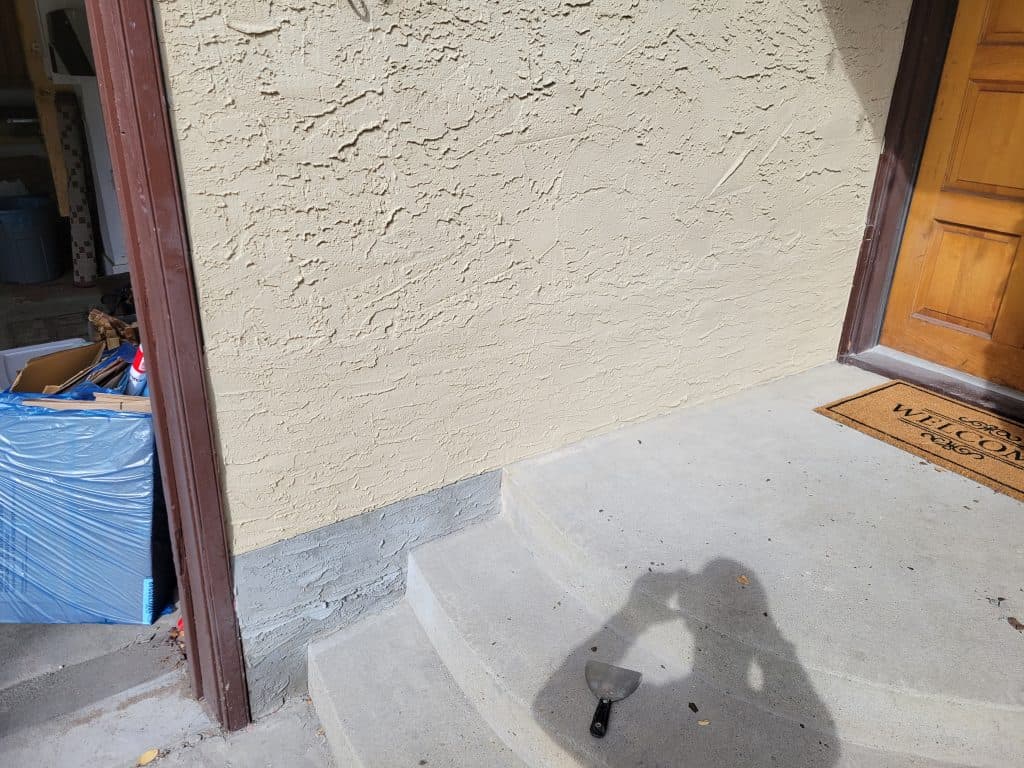
What Are the Common Types of Stucco Damage in Edmonton?
Common stucco damage in Edmonton arises from environmental stressors and installation flaws; these issues degrade cladding performance and can lead to moisture entry. Freeze-thaw cycles expand moisture in the substrate, improper flashing channels water into assemblies, and settlement or structural movement produces stress cracks. Identifying the type of damage early saves money and prevents deeper water-related repairs. The following list summarizes damage types, their typical causes, and the one-line repair approach to help homeowners triage issues quickly.
- Hairline stucco cracks: Small shrinkage or finish cracks caused by curing and small movement; typically repaired by cleaning, flexible patching, and texture match.
- Spiderweb or map cracking: Multiple surface cracks from over-thinning of finish or poor curing; often resolved with re-texturing or partial re-stucco.
- Stucco delamination: Separation of layers due to poor bonding or moisture; repair requires removal of delaminated material and re-application to sound substrate.
- Stucco blistering: Raised areas from trapped moisture or incompatible coatings; fix by removing blisters, drying substrate, and re-coating with breathable finishes.
- Efflorescence and staining: Salt deposits from moisture movement through the assembly; address by source moisture control, cleaning, and applying breathable sealants.
These damage categories guide diagnostics and determine whether simple patching or more intensive remediation is required. Understanding common failure modes leads directly into how specific cracks and water issues are assessed and repaired.
How Do Stucco Cracks Develop and How Are They Repaired?
Stucco cracks form when tensile stresses exceed the finish’s capacity, with causes ranging from normal shrinkage to structural movement; repairing them restores weatherproofing and appearance. Hairline cracks often result from curing shrinkage or thermal expansion and are treated with a flexible patchant and texture match. Wider or stepped cracks following mortar joints can indicate serious movement and require probing, substrate repair, and potentially re-stuccoing to address the root cause. Effective repair includes surface cleaning, opening the crack to sound material, applying a bonding agent, using the correct repair mortar, and finishing to match texture and colour.
These repair steps reduce moisture entry and delay recurrence when combined with addressing underlying causes. Proper repair execution then sets the stage for locating moisture sources that often accompany cracking.
What Causes Water Damage in Edmonton Stucco and How Is It Fixed?
Water damage in stucco commonly occurs where barriers fail—poor flashing, damaged sealants around windows, or grading that allows splashback—and leads to rot, mould, and delamination if left unchecked. Diagnosis begins with visual inspection and moisture testing behind finishes to locate intrusion points. Remediation follows a strict sequence: stop the source (repair flashing, grade, or penetrations), dry the assembly, remove damaged stucco or sheathing, repair substrate and WRB, and re-apply compatible stucco systems. Preventing recurrence involves upgrading drainage planes and ensuring continuous, well-installed flashing and seals.
Addressing the source first is essential because surface repairs alone will fail if moisture pathways remain. Once moisture is controlled, EIFS and parging-specific issues require different diagnostic attention.
What Are EIFS Issues and How Do They Affect Stucco Repair?
EIFS systems include insulation boards, adhesive, basecoat with mesh, and finish; they are vulnerable to moisture retention behind cladding and to delamination when drainage is inadequate. EIFS failures often present as bulging, detached sections, or moisture stains at seams and penetrations; detection requires probing, moisture meters, and sometimes invasive checks. Repair options range from localized patching with compatible EIFS materials to full removal and re-installation of drainage-capable EIFS or switching to a cement-based system if moisture risk is high. EIFS repairs must preserve insulation continuity and use compatible basecoat and mesh to restore thermal performance.
Because EIFS integrates insulation, repair choices directly affect energy performance and drying capacity, which ties into material selection for Edmonton’s freeze-thaw environment
What Other Stucco Problems Should Edmonton Homeowners Know About?
Beyond cracking and moisture, homeowners face efflorescence, impact damage, texture mismatch, paint or coating failures, and compatibility issues between coatings and stucco substrates. Efflorescence signals internal moisture migration and needs source remediation rather than cosmetic cleaning alone. Impact dents and holes require repair that matches substrate depth and texture to avoid visible patches. Painting or coating failures often stem from using non-breathable products that trap moisture and accelerate decay. Recognizing when issues are cosmetic versus structural helps determine whether DIY fixes or professional repairs are appropriate.
Knowing these additional problems helps homeowners prioritize inspections and ensures that repairs target root causes rather than surface symptoms, which leads into available repair services and what they include.
Which Stucco Repair Services Are Available in Edmonton?
We deliver a range of repair services tailored to local climate stressors, from targeted crack patching to full re-stucco and EIFS remediation; service selection depends on damage type and building goals. Professional offerings generally include inspection and diagnostic testing, localized repair, parging and foundation work, EIFS moisture remediation, texture and colour matching, and full system replacement when necessary. Service timelines and deliverables vary by scope and access, but homeowners should expect a clear scope, material notes, and post-repair recommendations.
The table below summarizes common services, what they include, and typical timelines so homeowners can compare options quickly.
This table helps homeowners set realistic expectations about deliverables and scheduling before obtaining quotes.
Service | What It Includes | Typical Timeline |
Crack repair | Inspection, opening cracks, bonding, flexible patch, texture match | 1–3 days |
EIFS repair/patching | Moisture testing, localized removal, basecoat/mesh/finish re-application | 2–7 days |
Parging/foundation repair | Surface prep, repair mortar or re-parging, curing, drainage fixes | 2–5 days |
Full re-stucco/replacement | Remove failing layers, substrate repair, WRB/flashings, full re-application | 1–3 weeks |
Refinishing and repaint | Surface prep, breathable primer, elastomeric or acrylic finish | 2–5 days |
Comparing services clarifies whether a job is a quick fix or a larger envelope project that requires permits and extended scheduling. With service expectations clear, homeowners can consider how costs are typically structured in Edmonton.
What Is Included in Stucco Crack Repair Services?
Stucco crack repair services begin with a visual assessment and often include probing and moisture checks to confirm the extent of damage and whether substrate repair is needed. The repair workflow comprises cleaning the crack, routing to remove loose material, applying a bonding agent, injecting or troweling an appropriate flexible repair mortar, and matching texture and colour to the existing finish. Quality providers also check nearby joints and sealants and may apply a breathable sealant to improve longevity. Warranties vary, but professional repairs typically include workmanship assurances and material specifications in the estimate.
Understanding included steps helps homeowners compare bids and detect red flags in lowball offers. Proper execution then ties to EIFS-specific protocols when that system is involved.
How Is EIFS Repair Performed?
EIFS repair requires specialized diagnostics because moisture can exist behind the insulation board; contractors usually perform moisture testing and probe repairs to determine affected depth. Typical EIFS repair stages are targeted removal of damaged panels, drying and substrate correction if needed, precise re-attachment or replacement of insulation boards, reapplication of basecoat and mesh, and finishing with compatible EIFS texture and paint. Skilled installers use materials designed for EIFS to maintain thermal performance and ensure drainage where applicable. Because EIFS combines insulation and finish, repair integrity affects both weatherproofing and energy efficiency.
When Is Full Stucco Replacement Necessary?
Full stucco replacement is recommended when damage is widespread, when delamination affects large areas, when continuous moisture has compromised substrate sheathing, or when repeated patching fails to stop deterioration. Indicators include persistent damp substrate, large areas of loose material, structural movement, or systemic EIFS failure that undermines insulation. Replacement entails removing failing layers, repairing or replacing damaged sheathing and WRB, upgrading flashing and drainage plane details, and reapplying a compatible stucco or EIFS system to code. Homeowners should expect a multi-week project with inspections and possible permit requirements.
Knowing replacement triggers helps homeowners decide between targeted repairs and comprehensive remediation that secures the building envelope long-term.
How Do Residential and Commercial Stucco Repairs Differ?
Residential and commercial stucco repairs differ primarily in scale, access, finish expectations, and code compliance; commercial projects often require scaffolding, staged access plans, and adherence to stricter fire, insulation, or wind-load requirements. Commercial finishes may prioritize uniform appearance across larger façades and use heavier-duty systems, while residential work often emphasizes texture matching and curb appeal. Timelines and coordination differ as commercial projects must manage tenant access and safety regulations. Permitting and inspection protocols can also be more onerous for commercial work depending on building classification.
These differences influence contractor selection and logistics planning when comparing bids for residential versus commercial properties.
How Much Does Stucco Repair Cost in Edmonton?
Stucco repair costs in Edmonton vary widely because pricing depends on damage type, extent, materials, access, and labour intensity; understanding cost drivers helps homeowners budget accurately. Common factors that increase costs include moisture remediation, scaffold or hoist needs, EIFS versus cement-based materials, and the need to replace sheathing or WRB.
What Factors Influence Stucco Repair Pricing in Edmonton?
Several key factors influence pricing: extent and type of damage, whether moisture remediation or sheathing replacement is needed, the chosen material system (acrylic, cement, EIFS), accessibility and scaffold requirements, and contractor labour rates. Seasonal timing also affects cost since winter or shoulder-season work may require heaters and more careful curing, increasing expenses. Permit requirements and additional trades (flashings, window work, grading) add to the estimate. Homeowners should expect detailed line items in professional quotes explaining these cost drivers.
Clear explanation of cost components makes it easier to compare contractor proposals and to spot omissions that could lead to change orders later.
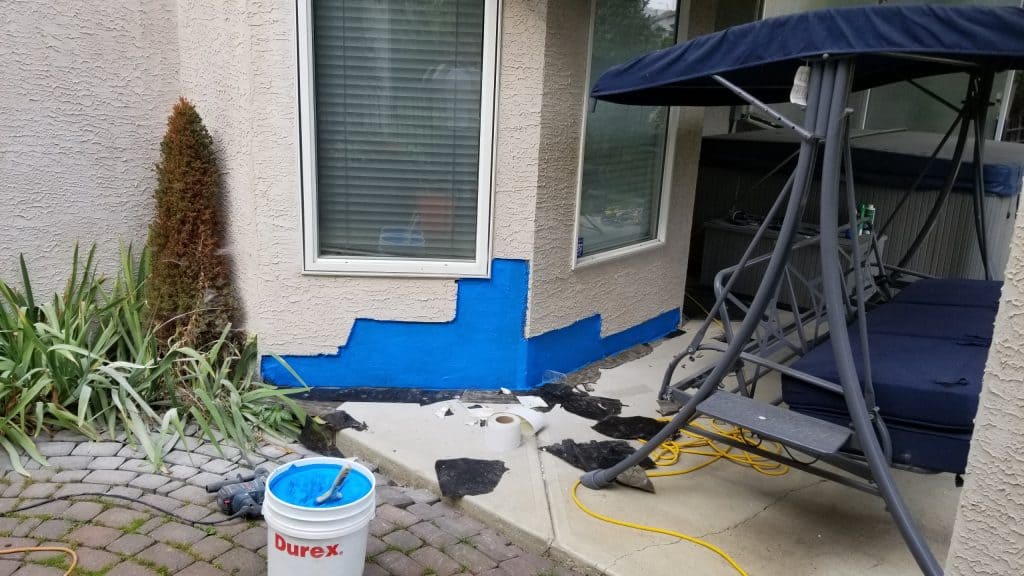
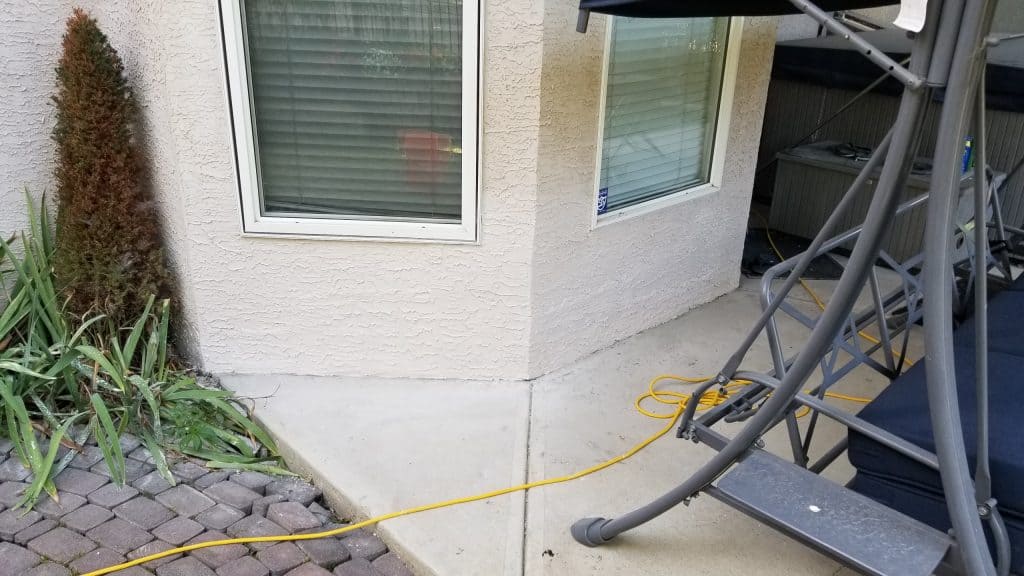
How Can Homeowners Get Accurate Stucco Repair Quotes?
To get accurate quotes, prepare a concise job brief and share current photos, note observed symptoms, and allow a thorough onsite inspection with moisture testing. Ask contractors to itemize labour, materials, scaffold costs, substrate repairs, and permit fees, and request references and sample warranties. Beware of unusually low estimates that omit diagnostic steps or use non-breathable coatings. Getting multiple detailed quotes and comparing line items ensures informed decision-making.
Are There Permit Requirements for Stucco Repair in Edmonton?
Permits are typically required for structural repairs, significant re-cladding, or projects that change exterior assemblies; minor localized cosmetic repairs often do not trigger permits. The Alberta Building Code and municipal bylaws guide permit triggers related to wall assemblies, insulation changes, and structural modifications. Homeowners should verify permit needs with local authorities or through their contractor, especially for full replacement projects or where sheathing and WRB will be altered. Confirming permit requirements early prevents compliance issues and inspection delays.
How Is the Stucco Repair Process Completed in Edmonton?
Stucco repair follows a disciplined sequence: inspection and diagnostics, source-stop repairs, substrate prep, correct material selection and application, finishing, and scheduled maintenance; this order protects the building envelope integrity. Inspections often use moisture meters, probing, and detailed reports that specify remediation steps. Material decisions balance freeze-thaw durability, breathability, insulation needs, and the existing assembly. Execution emphasizes correct layer sequencing and flashing continuity to prevent repeat failures.
Below is an EAV-style table comparing common material systems used in Edmonton to guide material selection for repair and replacement decisions.
Material/System | Key Properties | Best Use Case in Edmonton |
Acrylic stucco | Flexible finish, good for minor movement | Patching and finishes on residential façades |
Cement stucco | Durable, vapor-permeable, strong bond | Full re-stucco where durability is priority |
EIFS (drainage-capable) | Integrated insulation, high R-value if drained | When insulation upgrade needed with proper drainage |
This comparison clarifies trade-offs among breathability, durability, and insulation so homeowners can choose systems that match their repair goals. With materials selected, the repair steps proceed through crack and EIFS-specific procedures to parging finish and maintenance.
What Is the Initial Assessment and Damage Inspection Procedure?
Initial assessment includes a visual survey, moisture mapping with meters, selective probing of suspect areas, and checking flashing, window perimeters, and grade. Inspectors document findings, take photos, and recommend invasive testing if moisture or delamination is suspected. A clear report outlines required repairs, material recommendations, and whether sheathing or WRB replacement is necessary. Homeowners should expect a prioritized scope and cost estimate following inspection.
A thorough assessment sets repair priorities and guides material selection for Edmonton’s climate conditions.
How Are Materials Selected for Edmonton’s Climate Conditions?
Material selection prioritizes freeze-thaw performance, breathability to avoid trapped moisture, and compatibility with existing assemblies; contractors weigh acrylic, cement, and EIFS options against the specific exposure and insulation goals. Acrylic finishes offer flexibility and aesthetics, cement stucco provides durability and vapor-permeability, and drained EIFS adds insulation but requires strict moisture-management detailing. Selection also considers maintenance expectations and long-term energy performance.
Choosing the correct system reduces the likelihood of future failures and determines the specific repair steps for crack and EIFS remediation.
What Are the Key Steps in Stucco Crack and EIFS Repair?
For crack repair: inspect and document, open and clean the crack, apply bonding agent, insert flexible patch material, and texture and seal to match. For EIFS repair: perform moisture diagnostics, remove damaged insulation or basecoat, dry substrate, replace insulation/adhesive as needed, reapply basecoat and mesh, and finish with compatible EIFS texture. Both processes require QA checks at bonding, curing, and flashing interfaces.
Following systematic steps prevents recurrence and ensures the repaired assembly performs in Edmonton’s climate.
What Post-Repair Maintenance Is Recommended for Longevity?
Post-repair maintenance includes annual visual checks of sealants and flashings, seasonal clearing of debris and vegetation, re-caulking joints as needed, and scheduled re-inspections after severe weather. Use breathable coatings and compatible sealants and avoid paint or coatings that trap moisture. Document repairs and warranties, and schedule professional inspections every few years to catch early signs of failure. These steps extend service life and preserve energy efficiency.
Regular maintenance completes the repair lifecycle and reduces the frequency of major interventions, which is central to preventative strategies for Edmonton properties.
What Are Essential Stucco Maintenance Tips for Edmonton’s Climate?
Preventative maintenance tailored to Edmonton’s freeze-thaw and precipitation patterns significantly reduces the risk of water entry and premature failure in stucco systems. Key seasonal actions include spring inspections for winter damage, pre-winter checks on sealants and drainage, and immediate attention to any signs of moisture staining or efflorescence. Proper grading, maintained gutters and downspouts, and trimmed vegetation keep moisture away from cladding. The following checklist provides practical, repeatable steps homeowners can follow.
- Inspect flashing and seals each spring: Check window and door flashings, re-caulk joints and repair any damaged flashings.
- Maintain positive grading and drainage: Ensure soil slopes away from foundation and that downspouts discharge well clear of walls.
- Clear debris and vegetation: Keep plants and mulch away from the bottom of stucco walls to prevent moisture trapping.
- Check for and treat efflorescence: Clean deposits, then investigate and fix the moisture source rather than just covering stains.
These preventative measures reduce moisture exposure and extend the life of stucco systems, and knowing when to schedule repairs is equally important.
When Is the Best Time to Perform Stucco Repairs in Edmonton?
The ideal window for most stucco repairs in Edmonton is late spring through early fall when temperatures and humidity support proper curing and drying. Winter repairs are possible but require heaters, frost protection, and specialized mixes, which raise costs and logistical complexity. Scheduling during warmer months reduces the risk of freeze-related bonding failures and speeds drying times. Plan repairs ahead of heavy precipitation seasons to restore protective elements before winter.
Timing repairs correctly increases success rates and can influence price and scheduling availability.
What Products and Sealants Are Recommended for Stucco Protection?
Select breathable, flexible sealants and elastomeric or acrylic finishes compatible with the substrate to allow vapor diffusion while preventing liquid water ingress. Avoid non-breathable paints that trap moisture and select sealants rated for thermal movement to maintain adhesion during freeze-thaw cycles. Choose primers and coatings specified for exterior use and confirm compatibility with existing finishes. Product selection should prioritize permeability, flexibility, and UV resistance over cosmetic-only attributes.
Appropriate product choices preserve cladding performance and energy efficiency, which contributes to property value.
How Does Proper Maintenance Improve Energy Efficiency and Property Value?
Well-maintained cladding prevents air and moisture leakage, preserves insulation effectiveness (especially with EIFS), and maintains the building’s thermal envelope, reducing heating demand in Edmonton’s cold climate. Visible, intact exterior finishes also enhance curb appeal and marketability, signaling to buyers that the building has been properly cared for. Investments in durable materials and timely repairs therefore yield both operational energy savings and stronger resale value. Regular maintenance documentation supports value retention during property transactions.
Maintenance is both a performance and financial strategy that complements repair and material-selection choices discussed earlier.
How Long Does Stucco Repair Typically Take in Edmonton?
Small localized repairs may take a day or two, EIFS patches a few days, parging a few days with curing, and full re-stucco projects one to three weeks depending on drying, substrate repairs, and permit processes. Moisture remediation and sheathing replacement significantly extend timelines due to drying and added trades. Weather delays in shoulder seasons can also affect schedules. Contractors should provide expected timelines in written quotes.
Timeline transparency helps homeowners plan for scaffolding access, weather contingencies, and occupancy impacts during repairs
How Do Freeze-Thaw Cycles Affect Stucco Durability in Edmonton?
Freeze-thaw cycles cause absorbed water to expand and contract, generating stresses that lead to cracking, spalling, and delamination if the system lacks proper drainage or breathability. Mitigation includes ensuring continuous flashings, usable expansion joints, breathable finishes, correct parging thickness, and avoiding impermeable coatings that trap moisture. Material selection and detailing aimed at promoting drying and drainage substantially reduce freeze-thaw damage. Routine maintenance to address small defects before winter is critical.
Mitigation strategies reduce long-term repair frequency and are central to material selection and contractor workmanship.
OUR SUPPLIERS
Every project is unique and requires a different approach. Working with variety of suppliers and manufacturers ensure that we deliver the best results.